

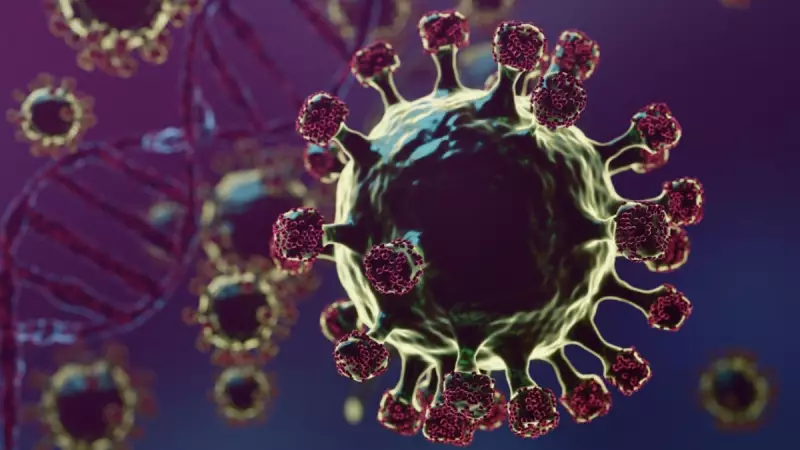
Understanding the Nipah Virus Outbreak in India
In recent developments, India has been grappling with concerns over the Nipah virus, a zoonotic pathogen that poses significant public health risks. This virus, first identified in Malaysia in 1999, has resurfaced in various parts of India, prompting health authorities to issue alerts and awareness campaigns. The Nipah virus is known for its high fatality rate and potential to cause severe outbreaks, making it a critical focus for disease control efforts across the country.
Symptoms of Nipah Virus Infection
The symptoms of Nipah virus infection can range from mild to severe, often leading to fatal outcomes if not addressed promptly. Initial signs typically include:
- Fever and headache, which are common early indicators.
- Muscle pain and fatigue, making daily activities challenging.
- Respiratory issues such as cough and sore throat.
- In more advanced cases, patients may experience encephalitis, characterized by confusion, drowsiness, and disorientation.
- Severe symptoms can progress to coma or death within 24-48 hours, highlighting the urgency of medical intervention.
It is crucial to recognize these symptoms early, as timely diagnosis and treatment can significantly improve survival rates. Health experts emphasize that anyone exhibiting these signs, especially in outbreak-prone regions, should seek immediate medical attention to prevent further complications.

How the Nipah Virus Spreads
The transmission of the Nipah virus primarily occurs through direct contact with infected animals or their bodily fluids. Key modes of spread include:
- Animal-to-human transmission: Fruit bats, particularly of the Pteropus genus, are natural reservoirs of the virus. Humans can contract it by consuming fruits contaminated with bat saliva or urine, or through contact with infected pigs or other animals.
- Human-to-human transmission: The virus can spread between people via close contact with respiratory droplets, saliva, or other bodily fluids from infected individuals. This makes outbreaks in healthcare settings particularly dangerous if proper infection control measures are not in place.
- Environmental factors: Contaminated surfaces or materials can also facilitate transmission, underscoring the importance of hygiene and sanitation in preventing the spread.
Understanding these transmission pathways is essential for implementing effective containment strategies and reducing the risk of widespread outbreaks in communities.
Prevention and Awareness Strategies
To combat the Nipah virus, health authorities in India have rolled out comprehensive prevention and awareness initiatives. Key measures include:
- Avoiding consumption of raw date palm sap or fruits that may be contaminated by bats, as these are common sources of infection.
- Practicing good hygiene, such as frequent handwashing with soap and water, especially after handling animals or visiting affected areas.
- Using personal protective equipment (PPE) in healthcare settings to prevent human-to-human transmission during outbreaks.
- Public education campaigns to raise awareness about symptoms and transmission, encouraging early reporting and isolation of suspected cases.
- Surveillance and rapid response systems to detect and contain outbreaks swiftly, minimizing their impact on public health.
By adhering to these prevention tips and staying informed, individuals can play a vital role in curbing the spread of the Nipah virus. Health officials continue to monitor the situation closely, urging vigilance and cooperation from the public to ensure safety and well-being.






