

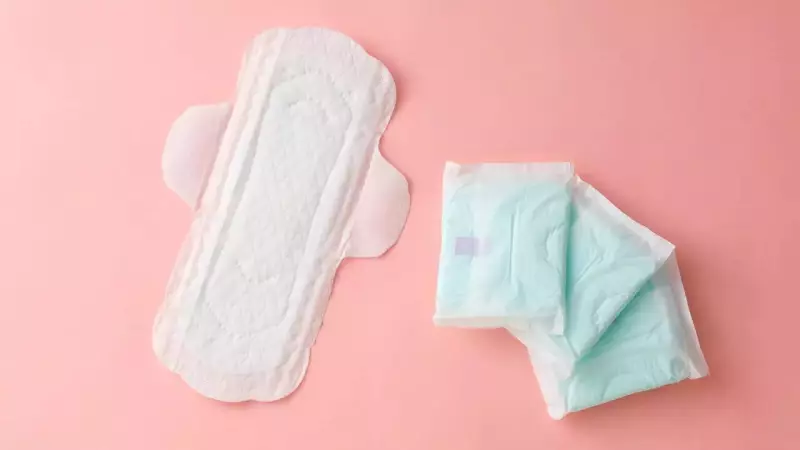
In a significant move to address environmental and public health concerns, the Baghpat District Administration has rolled out a pioneering programme named NIRA. This initiative, launched in partnership with UNICEF and the Indian Red Cross Society, focuses on distributing eco-friendly, reusable cotton menstrual pads to women and girls across the district.
Confronting a National Waste Crisis
District Magistrate of Baghpat, Asmita Lal, stated that the programme aims to tackle the escalating menstrual waste problem while providing safer, sustainable, and affordable alternatives to conventional products. The scale of the issue is staggering: India generates between 113,000 and 137,000 tonnes of menstrual waste annually. A major contributor is the nearly 121 million women who use disposable pads, most of which contain up to 90% plastic and are non-biodegradable. These products can linger in the environment for centuries, decomposing at an alarmingly slow rate.
Officials pointed out that the lack of access to affordable sustainable options, like reusable pads or menstrual cups, remains a critical barrier in many communities. The NIRA initiative is designed specifically to bridge this gap by offering a product that is both kind to the planet and cost-effective for users in the long run.

Health, Environment, and Dignity at Stake
The launch highlighted several interconnected problems stemming from current menstrual waste disposal practices. These include:
- Rising plastic pollution from pads that do not break down.
- Serious health risks for sanitation workers who have to handle mixed waste without protection.
- Toxic emissions produced from the open burning of used sanitary products.
- Contamination of water bodies in areas lacking proper waste management systems.
The collaborative effort between the Baghpat Administration, UNICEF, and the Indian Red Cross Society underscores a long-term commitment to a solution that is both environmentally responsible and centered on women's health and dignity. By promoting and distributing reusable cotton pads, NIRA seeks to significantly cut down on waste while simultaneously enhancing the wellbeing and autonomy of women and girls in the district.
A Model for the Future
Authorities expressed hope that the NIRA initiative will serve as a replicable model for sustainable menstrual hygiene management across other districts in India. This community-focused approach demonstrates how local government action, supported by global and national humanitarian organizations, can create tangible progress on a pressing national issue. The success of this programme could pave the way for wider adoption of eco-conscious menstrual health practices throughout the country.

