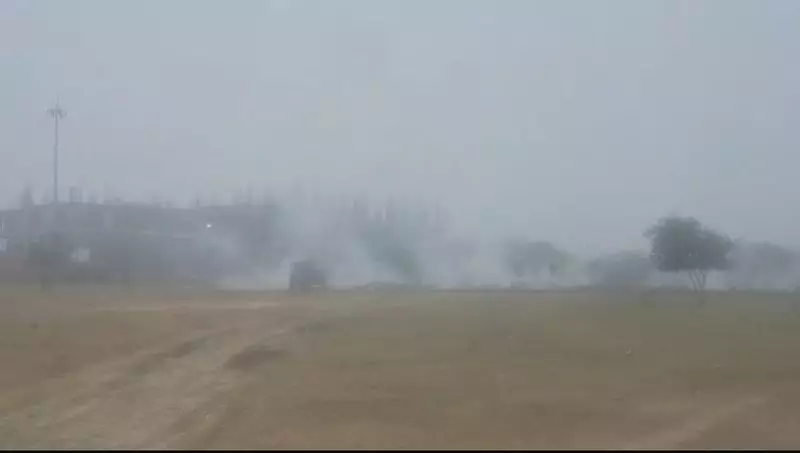
Residents of Noida and Greater Noida are gasping for breath, caught in a toxic blanket of smoke caused by the widespread and unchecked burning of garbage across the city. The situation has escalated into a full-blown public health crisis, forcing citizens to take to social media and official channels to demand urgent intervention from the local administration and pollution control authorities.
A City Choking on Its Own Waste
The problem is not new but has intensified alarmingly in recent weeks. Citizens report that piles of mixed waste, including plastic, rubber, and other hazardous materials, are being set on fire openly in vacant plots, near residential sectors, and even along major roads. This practice, often carried out by waste collectors or sanitation workers seeking a quick disposal method, releases a cocktail of dangerous pollutants into the air.
The most severely affected areas include sectors 70, 71, 74, 75, 76, 77, 78, 79, 121, 122, and 123 in Noida, along with several pockets in Greater Noida. Residents describe waking up to a thick haze and a persistent, acrid smell that permeates homes, forcing them to keep windows shut despite the rising heat. The visible plumes of smoke are a constant, grim reminder of the failing solid waste management system.
Citizens Raise Their Voice, Authorities Pass the Buck
Frustrated by the inaction, residents have launched a concerted campaign to highlight their plight. They are extensively documenting instances of garbage burning through photos and videos and tagging relevant authorities on social media platforms like X (formerly Twitter). The common demand is clear: immediate and strict enforcement of bans on open burning and proper disposal of waste.
However, the response from officials has been mired in bureaucratic blame-shifting. When contacted, the Noida Authority's health department pointed fingers at the three private concessionaires hired for door-to-door garbage collection. An official stated that these concessionaires are responsible for ensuring collected waste is transported to the designated Sector 145 landfill and that burning is strictly prohibited. The authority claims to have issued warnings and imposed penalties on these contractors in the past for violations.
Conversely, representatives from the waste management companies argue that the burning is often done by informal waste pickers or even residents themselves, and they lack the manpower to monitor every empty plot in the vast city. This cycle of blame offers little solace to citizens bearing the direct brunt of the toxic air.
Health Impacts and a Call for Concrete Action
The consequences of this persistent pollution are dire and directly impact public health. Doctors in the region report a surge in complaints of respiratory distress, aggravated asthma, bronchitis, eye irritation, and allergic reactions. The fine particulate matter (PM2.5 and PM10) and carcinogenic chemicals released from burning plastic pose long-term risks, including lung damage and increased susceptibility to chronic diseases.
Environmental activists and resident welfare associations (RWAs) are now calling for more than just notices and warnings. They demand a multi-pronged strategy:
- Stringent, real-time monitoring and patrolling of hotspots with immediate fines on the ground.
- Accountability for concessionaires with clauses for contract termination for repeated failures.
- Public awareness campaigns to discourage any form of open burning.
- Improvement in waste processing capacity to ensure systematic disposal and reduce the burden on landfills.
The ongoing crisis in Noida underscores a critical failure in urban governance and environmental protection. As summer temperatures rise, the frequency of such fires could increase, making the air even more unbreathable. The health and well-being of lakhs of residents now hinge on whether the concerned authorities can move beyond passing the buck and implement a decisive, actionable plan to extinguish these toxic fires for good.