

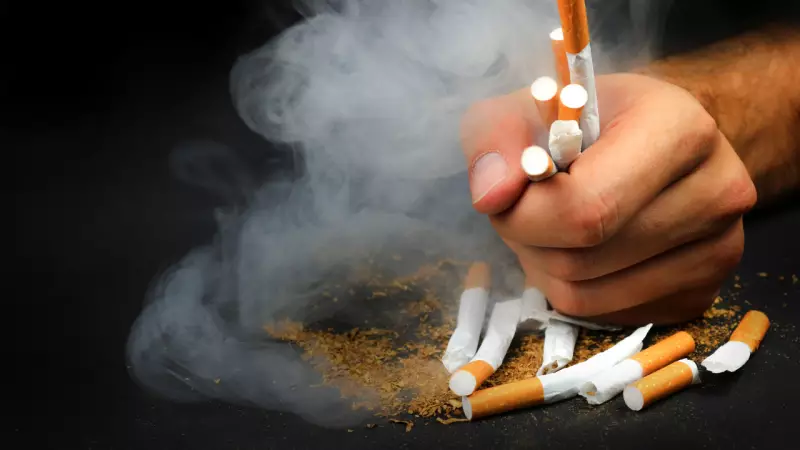
Exposure to secondhand smoke from just a single cigarette is enough to cause damage to nearly every vital organ in a non-smoker's body. This alarming fact, highlighted by Dr. Kunal Sood, MD, underscores a pervasive public health threat that extends far beyond the active smoker. The heart, lungs, brain, and reproductive system are all vulnerable to this toxic exposure.
What Exactly Is Secondhand Smoke?
Secondhand smoke is a poisonous cocktail made up of two components: the smoke exhaled by the person smoking and the smoke that wafts directly from the burning tip of the cigarette, cigar, or bidi. Dr. Kunal Sood warns that this mixture contains thousands of chemicals, including potent carcinogens like benzene, formaldehyde, and nitrosamines. Non-smokers involuntarily inhale this dangerous blend in homes, cars, offices, and public spaces, with children and pregnant women being at special risk due to their developing organs.
Immediate and Long-Term Health Impacts
The consequences of breathing in secondhand smoke are both immediate and severe. Even a brief exposure can increase the risk of heart attack and stroke, particularly in individuals with pre-existing conditions such as high blood pressure, diabetes, or high cholesterol. A patient presenting with common symptoms might leave with a life-altering diagnosis linked to this passive inhalation.

Damage to Heart and Blood Vessels
Tobacco smoke has a direct and harmful effect on the cardiovascular system. It makes blood sticky, damages the delicate inner lining of blood vessels, and reduces oxygen levels in the blood. This toxic combination accelerates the buildup of arterial plaque and can trigger blood clots that block major arteries supplying the heart or brain. Shockingly, just 30 minutes in a smoky room can impair blood vessel function in a healthy adult. Regular exposure raises the risk of coronary artery disease and stroke almost as much as smoking a few cigarettes daily.
Assault on Lungs and Respiratory Health
The respiratory system bears a significant brunt. Secondhand smoke irritates airways, inflames lung tissue, and reduces lung function over time. Non-smokers regularly exposed at home or work face a higher risk of developing chronic bronchitis, experiencing asthma flare-ups, and even lung cancer. For children, exposure leads to more frequent colds, ear infections, wheezing, and hospital visits for breathing difficulties. In individuals with asthma or COPD, even short exposure can trigger severe breathlessness and emergency medical situations.
Vulnerable Groups: Children, Pregnancy, and Fertility
Infants and children are exceptionally vulnerable because they breathe faster, taking in more air—and more toxins—per kilogram of body weight. Exposure during pregnancy is linked to low birth weight, premature birth, and a higher risk of Sudden Infant Death Syndrome (SIDS). Children raised around smokers are more likely to develop asthma. Furthermore, secondhand smoke damages fertility in both men and women by harming sperm quality and egg health.
The Myth of "Harmless" Exposure
A critical message from health experts is that there is no safe level of exposure to secondhand smoke. Toxin concentrations can reach dangerously high levels quickly in enclosed spaces like cars or small rooms. Common mitigation strategies like opening windows, using fans, or smoking near a balcony are unreliable, as harmful particles linger in the air and settle on surfaces as “thirdhand smoke.” This toxic residue clings to clothes, hair, furniture, and curtains, posing a continued risk as children can ingest or inhale it later. While smoking outdoors away from doors and windows is better than indoors, it is still not completely risk-free for people nearby.

Practical Steps for Protection
The most effective protective measure is to establish strict smoke-free rules for homes and personal vehicles. Friends and family members who smoke should be encouraged to step completely outside, wash their hands, and change outer clothing before holding babies or engaging in close contact. Communities benefit greatly from strong smoke-free policies in workplaces, restaurants, and public spaces, which are linked to lower rates of heart attacks and respiratory problems. Dr. Kunal Sood points out that for smokers, using the protection of loved ones from secondhand smoke as a motivation to quit can be more powerful than focusing solely on personal harm, highlighting the profound impact on the people they care about.





