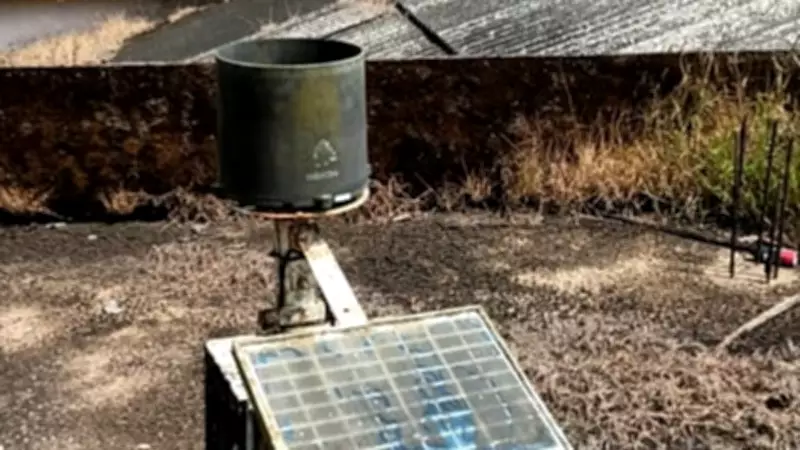
More than half of the rain gauge stations in Karnataka are non-functional, severely hampering the state's ability to collect accurate rainfall data. The Karnataka State Natural Disaster Monitoring Centre (KSNDMC), which relies on these stations, has reported that over 50% of its rain gauges are defunct, compromising critical data used for agricultural planning, crop loss assessment, water security, and early warning systems for floods and droughts.
Extent of the Defunct Infrastructure
According to KSNDMC officials, the state has a network of approximately 5,000 rain gauge stations, but more than 2,500 are currently out of service. The defunct stations are spread across all districts, with some regions experiencing a higher concentration of non-functional equipment. The KSNDMC depends on these stations to collect real-time rainfall data, which is essential for issuing timely warnings and making informed decisions.
The situation has been exacerbated by a lack of maintenance and funding. Many of the rain gauges are outdated and have not been replaced or repaired for years. The KSNDMC has been urging the state government to allocate more funds for the upkeep and modernization of the network.

Impact on Agriculture and Water Security
The absence of reliable rainfall data has a direct impact on agriculture, which is the backbone of Karnataka's economy. Farmers rely on the data to plan their sowing and irrigation schedules. Without accurate information, they are at risk of crop failure due to untimely or inadequate rainfall. The KSNDMC also uses the data to assess crop losses and provide compensation to affected farmers.
Water security is another major concern. The state's reservoirs and groundwater levels depend on monsoon rains. With defunct rain gauges, it becomes challenging to predict water availability and manage supply for drinking, irrigation, and industrial use. The KSNDMC has warned that this could lead to water shortages and conflicts over water allocation.
Early Warning Systems Compromised
Karnataka is prone to natural disasters such as floods and droughts. The KSNDMC's early warning systems are designed to alert authorities and communities about impending disasters, allowing them to take preventive measures. However, with over half of the rain gauges non-functional, the accuracy and timeliness of these warnings are severely compromised.
"The data from these stations is crucial for predicting extreme weather events," said a KSNDMC official. "Without it, we are flying blind. We cannot provide accurate warnings, and that puts lives and property at risk." The official added that the situation is particularly concerning during the monsoon season, when heavy rains can trigger flash floods and landslides.
State Government Response
The Karnataka government has acknowledged the problem but has been slow to act. In response to queries, a government spokesperson said that funds have been allocated for the repair and replacement of rain gauges, but the process has been delayed due to bureaucratic hurdles. The KSNDMC has also proposed the installation of automated weather stations that are more reliable and require less maintenance.
However, experts argue that the government needs to prioritize this issue and allocate sufficient resources. "Rainfall data is not just about agriculture; it is about the safety and well-being of millions of people," said a hydrologist from the Indian Institute of Science. "The state cannot afford to have a crippled monitoring system, especially in the face of climate change."
Way Forward
The KSNDMC is working on a plan to restore the defunct rain gauges and upgrade the network. It has sought the help of private companies and research institutions to develop low-cost, durable sensors. The center is also exploring the use of satellite data and weather radar to supplement ground-based measurements.
In the short term, the KSNDMC has advised farmers to rely on alternative sources of weather information, such as mobile apps and community-based monitoring. However, officials admit that these are not substitutes for a robust network of rain gauges.

The situation in Karnataka highlights the broader challenge faced by many Indian states in maintaining critical infrastructure for disaster management and climate resilience. With climate change leading to more frequent and intense weather events, the need for accurate and timely data has never been greater.