

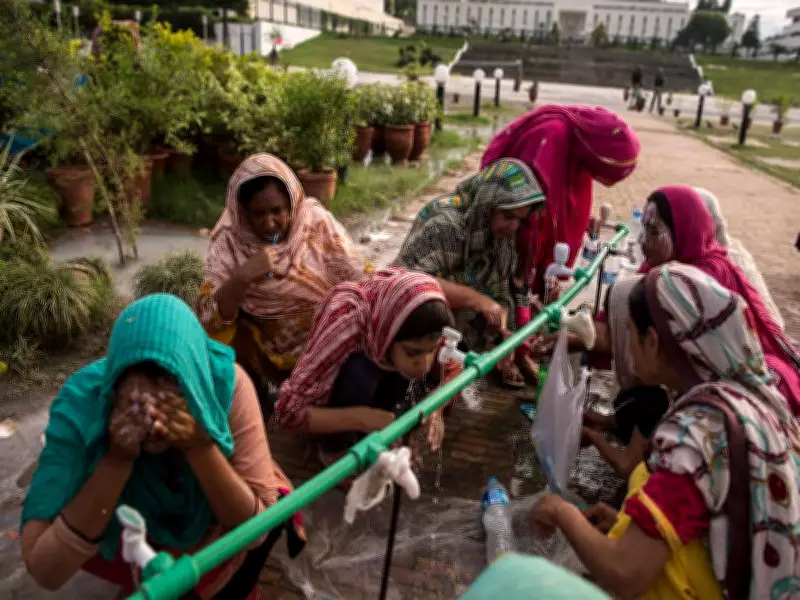
Pakistan's Toxic Water Crisis Fuels Alarming Surge in Kidney Disease Cases
Pakistan is grappling with a deepening health emergency, as the widespread consumption of contaminated drinking water is driving a sharp increase in kidney failure cases nationwide. Medical authorities have issued urgent warnings, highlighting that thousands of individuals are developing life-threatening renal conditions each year, primarily due to unsafe water supplies and inadequate healthcare infrastructure.
Medical Experts Sound Alarm on World Kidney Day
The Pakistan Medical Association (PMA) emphasized these critical concerns in a message released on World Kidney Day. According to reports, the PMA cautioned that Pakistan could witness between 25,000 and 50,000 new cases of end-stage renal disease in the current year alone. This dire situation forces many patients to rely on dialysis or kidney transplants for survival.
The association directly linked this crisis to the pervasive contamination of drinking water, which continues to pose a severe threat to public health across the country. Dr. Abdul Ghafoor Shoro, a representative of the PMA, revealed that nearly 80 percent of the population lacks reliable access to safe drinking water, exposing millions to harmful toxins and pollutants.

Rural Areas and Urban Centers Face Severe Contamination
The situation is particularly alarming in rural regions of Sindh and Balochistan, where residents often depend on untreated groundwater sources. Studies conducted in various parts of Pakistan have uncovered disturbing levels of contamination in drinking water supplies.
Experts have detected dangerous concentrations of arsenic, lead, harmful minerals, and disease-causing pathogens, all of which can severely impair kidney function over time. Research from urban centers like Karachi indicates that over 90 percent of available water sources contain hazardous pollutants, exacerbating the health crisis.
Economic and Infrastructure Challenges Worsen the Crisis
The crisis has been further aggravated by rising fuel costs and persistent energy shortages. In Karachi, for instance, more than 80 percent of residents are compelled to purchase water, imposing an additional financial strain on households. The shortage of gas supply in the city also prevents many families from boiling water before consumption, thereby increasing their exposure to contaminated sources.
Medical professionals have criticized government priorities, arguing that authorities continue to allocate substantial budgets for specialized kidney treatment facilities while neglecting crucial investments in clean drinking water systems. The PMA warned that chronic kidney disease already affects 15 to 20 percent of adults over the age of 40 in Pakistan, with an estimated annual incidence of approximately 100 cases per million people.
Calls for Immediate Government Action
The association has urged the government to treat this situation as a national emergency. Key recommendations include:
- Improving water infrastructure to ensure safe drinking water access.
- Increasing healthcare funding to support renal treatment and prevention programs.
- Expanding dialysis centers in public hospitals to assist low-income patients.
As Pakistan confronts this escalating health threat, the need for comprehensive and immediate intervention has never been more critical to safeguard the well-being of its citizens.






