

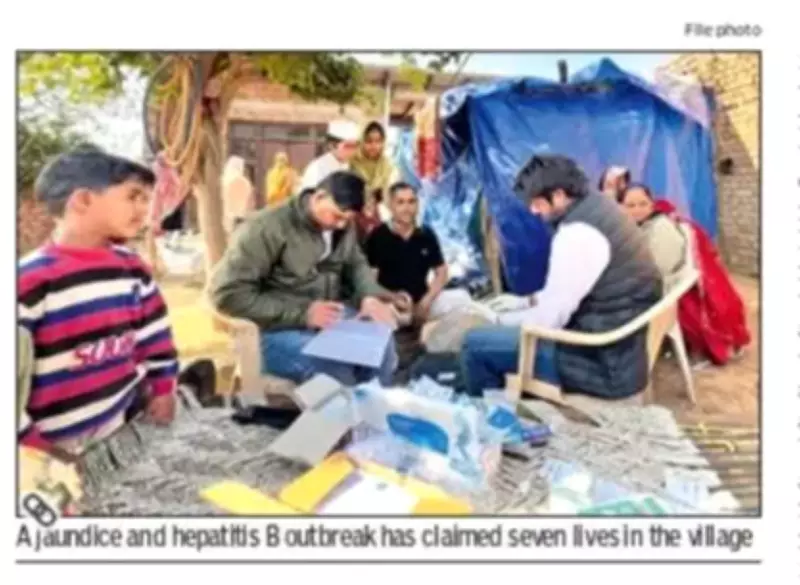
Palwal District Launches Probe Into Energy Drinks and Quacks After Hepatitis Outbreak Claims Seven Lives
In the wake of a devastating jaundice and hepatitis B outbreak that resulted in seven fatalities, the Palwal district administration has initiated a comprehensive investigation targeting the sale of energy drinks and the activities of unqualified medical practitioners in Chainsa village. Deputy Commissioner Harish Kumar Vashishth announced on Monday that the administration is scrutinizing multiple factors, including unsafe medical practices, the reuse of syringes, and unregulated treatments by quacks, alongside the consumption of energy drinks, as potential contributors to the health crisis.
Examining Contributing Factors to Prevent Future Outbreaks
Deputy Commissioner Vashishth emphasized, "Our focus extends beyond merely controlling the current situation; we are committed to preventing any recurrence. Specialized teams will conduct thorough checks on illegal medical practices and other risk factors that may have facilitated the spread of the infection." This decision follows concerns raised by health officials regarding the "unchecked consumption among village youths" of energy drinks, which emerged concurrently with hepatitis cases. Officials have warned that such beverages "can intensify liver damage" in infected individuals, highlighting the dangers of unregulated availability during a public health emergency.
Health Risks Associated with Energy Drinks and Unsafe Practices
Health officers have pointed out that excessive intake of high-caffeine energy drinks can exacerbate liver stress and potentially worsen liver injury in people with undiagnosed hepatitis, even if the drinks are not the direct source of infection. Deputy Commissioner Vashishth reported that no deaths linked to the illness have been recorded since February 11, and the situation in Chainsa village is now stable. However, health department teams remain deployed round-the-clock to ensure continuous monitoring and response.

The administration has issued a stern caution regarding the reuse of needles and syringes, identifying it as a major source of blood-borne infections. Villagers have been urged to seek treatment exclusively from registered doctors. Additionally, concerns have been raised about contaminated drinking water possibly playing a role in the spread of the infection, prompting ongoing water safety checks.
Ongoing Surveillance and Response Efforts
The district administration remains on high alert, implementing continuous health surveillance, awareness campaigns, and testing in Chainsa village. "We are actively investigating the source of infection and the reasons behind its spread," Vashishth stated, adding that close coordination with the health department will ensure sustained monitoring. Addressing concerns over the death toll, he clarified that out of 15 deaths reported in the village during the period, only seven were linked to the illness, with the remaining attributed to natural causes, mental health issues, or occurring outside the village.
Special health camps continue to operate at multiple locations in Chainsa, offering door-to-door surveys, blood tests, medications, and vaccinations as precautionary measures. The outbreak, first reported on February 15, prompted the Haryana health department to launch an investigation after seven residents died between January 27 and February 11, leading to large-scale health surveillance and water safety initiatives.
Details of the Outbreak and Initial Response
According to earlier reports, four of the seven deaths were linked to acute hepatitis or acute liver failure with hepatic encephalopathy, with patients exhibiting symptoms such as fever, vomiting, abdominal pain, and jaundice prior to death. All seven patients ultimately succumbed at Shaheed Hasan Khan Mewati Government Medical College in Nalhar. In response, rapid response teams were deployed, medical camps were established, and extensive screening for hepatitis A, B, C, and E was initiated, alongside bacteriological testing of drinking water sources in the village.






