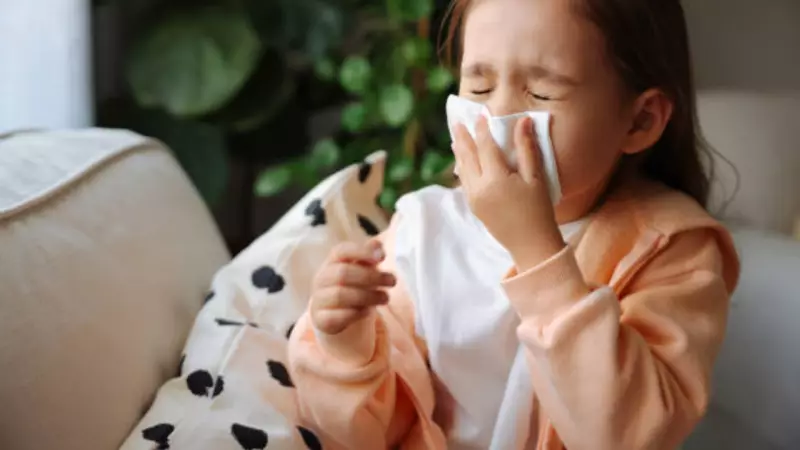
For children growing up in urban India, toxic air is no longer a distant environmental concern but a daily health hazard. Pediatricians across the nation are raising the alarm over a disturbing shift: respiratory issues like asthma are now manifesting in much younger children, including toddlers and infants, a trend strongly linked to deteriorating air quality.
Why Are Children's Lungs Under Siege?
In an exclusive discussion with The Times of India, Dr. Jyothi Raghuram, Senior Consultant - General Pediatrics & Pediatric Rheumatology at Aster Whitefield Hospital, confirmed the worrying pattern. "Yes, honestly, we are seeing this more than we used to," she stated. While asthma previously appeared later in childhood, doctors now frequently encounter very young children with breathing difficulties, especially in cities with a poor Air Quality Index (AQI).
Dr. Raghuram explained that asthma is multi-factorial, involving genetics, environment, and the child's own susceptibility. However, polluted air acts as a powerful trigger. "Pollution interferes with the lung development of a child and makes them more susceptible," she emphasized. Even without a family history, exposure to bad air can bring on symptoms earlier and more severely. Smoggy conditions, often traffic-related, lead to a sudden spike in cases of cough, wheezing, and breathlessness among children.

Identifying the Invisible Threat: Symptoms and Vulnerabilities
Diagnosing asthma in young children is particularly challenging because its symptoms closely mimic common viral illnesses. Parents should be vigilant for signs beyond typical colds, including:
- A persistent cough after physical activity or play.
- Increased coughing during a common cold.
- Night-time coughing that disrupts sleep.
- Low stamina and easy fatiguability compared to peers.
- A prolonged cough that continues for weeks after a short 2-3 day fever and cold.
Children are more vulnerable than adults for critical reasons. Their lungs are still developing, and they breathe more rapidly, especially when active outdoors. The most harmful pollutants are the fine dust particles in smog, which are so tiny they penetrate deep into the lungs and cause persistent irritation.
Protection, Prevention, and the Path Forward
When asked about protective gear, Dr. Raghuram noted that air purifiers and masks can reduce exposure to some extent. However, the more effective strategy is behavioral. Children should avoid outdoor activities during high-pollution periods and venture out only when air quality improves. Equally important is educating children to understand air quality and make informed decisions about their outdoor play.
On a broader scale, preventing this health crisis requires systemic change. "Air pollution must be controlled to protect children," Dr. Raghuram asserted. This necessitates reducing vehicular pollution, improving mass transit, adopting cleaner fuels, and keeping heavy traffic away from schools and residential areas. She stressed that air quality is a fundamental pillar of preventive healthcare.
For parents, early diagnosis and proper management are key. If asthma is suspected, a detailed history, physical examination, and pulmonary function tests (for children over seven) are essential. Dr. Raghuram also advised parents that inhaled corticosteroids are safe and effective for asthma treatment and emphasized the importance of regular follow-ups with a pediatrician.
The message from healthcare experts is clear: safeguarding children's health demands urgent action to clear the air they breathe, from individual choices to sweeping policy reforms.