

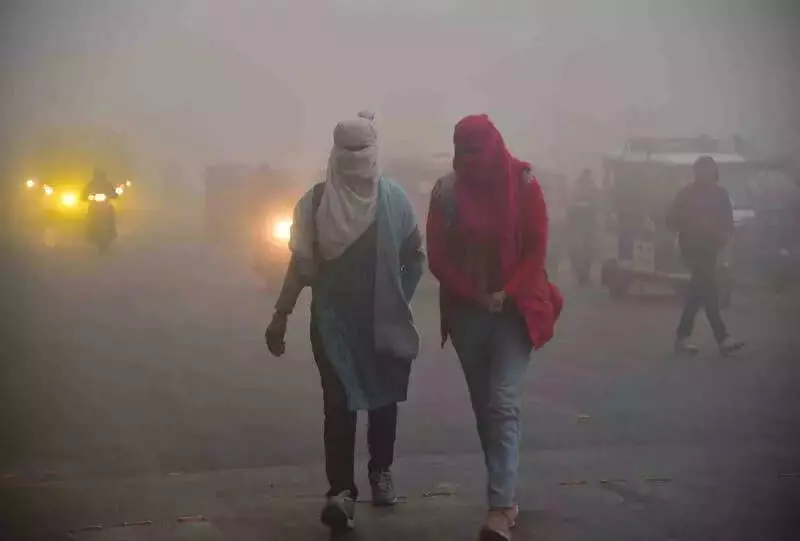
Medical experts in Prayagraj have issued a stark warning about the heightened health dangers posed by the combination of severe cold weather and elevated air pollution during the winter months. This dual threat significantly increases the risk of serious respiratory and cardiovascular problems for the city's residents.
How Cold and Pollution Attack the Lungs
Dr. Tariq Mahmood, Professor and Head of Pulmonary Medicine at MLN Medical College, explained the physiological impact. Exposure to cold air causes the airways to narrow, increases airway resistance, and impairs the body's ability to clear mucus. This makes the lungs far more susceptible to infections and inflammation.
"People with pre-existing conditions like asthma, chronic obstructive pulmonary disease (COPD), post-tuberculosis lung disease, and interstitial lung disease often see a marked worsening of symptoms," Dr. Mahmood stated. These symptoms include increased coughing, wheezing, and breathlessness during cold spells.

The Aggravating Role of Winter Pollution
The situation is severely compounded by air pollution. Harmful pollutants such as fine particulate matter (PM2.5), nitrogen dioxide, and ozone penetrate deep into lung tissue, triggering inflammation, oxidative stress, and immune system dysfunction.
Dr. Mahmood highlighted a key winter phenomenon: "Temperature inversion and reduced wind flow trap pollutants close to the ground, leading to intense smog episodes, especially in urban areas like Prayagraj." This results in a sharp and predictable rise in hospital visits for asthma attacks, COPD flare-ups, pneumonia, and other respiratory infections.
A Synergistic and Dangerous Effect
The combined exposure to severe cold and high pollution is particularly harmful because the effects are not just additive but synergistic. "Cold air increases the deposition of pollutants in the airways, while pollution itself makes the airways more sensitive to cold," Dr. Mahmood elaborated. This vicious cycle leads to more frequent health crises and a faster decline in lung function over time.
Elderly individuals, young children, smokers, and people with chronic heart or lung conditions are identified as being at the highest risk. The dangers extend beyond the lungs, with the cold-pollution mix also elevating the risk of heart attacks, strokes, high blood pressure, and overall mortality rates.
Essential Protective Measures for Residents
To safeguard public health, experts stress the need for pollution control, robust early warning systems, and widespread awareness. On a personal level, doctors recommend several key actions:
- Limit outdoor exposure, particularly during early morning and late evening hours when cold and pollution levels peak.
- Vulnerable groups—children, the elderly, pregnant women, and those with asthma, COPD, or heart disease—must strictly follow medical advice and keep rescue inhalers and medications readily available.
- Wearing protective masks (N95 where possible) and warm clothing is essential.
- Avoid exposure to biomass smoke and smoking.
- Ensure homes are well-ventilated yet protected from cold drafts.
- Maintain adequate hydration, get vaccinated against influenza and pneumonia, and regularly monitor air quality alerts.
The consensus is clear: proactive individual precautions and systemic action are both urgently needed to mitigate the severe seasonal health threat facing Prayagraj.






