

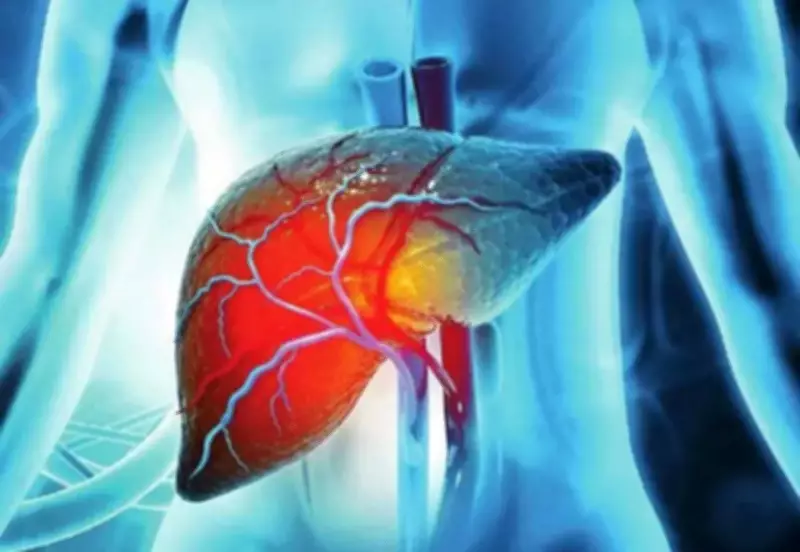
Punjab Intensifies Fight Against Liver Disease with Expanded Health Scheme
As global attention turns to the escalating crisis of liver disease, Punjab has significantly bolstered its public health response. The state government has expanded screening initiatives and cashless treatment provisions under the Mukh Mantri Sehat Yojna, aiming to tackle a growing health burden that affects millions.
Alarming Rise in Liver Disease Cases
Health experts report that nearly one in three adults worldwide is impacted by metabolic dysfunction-associated steatotic liver disease (MASLD), a condition often asymptomatic until it causes severe liver damage. A recent study published in The Lancet projects a concerning trend: cases are expected to surge from 1.3 billion in 2023 to 1.8 billion by 2050, marking a 42% increase. India mirrors this pattern, with urban populations and high-risk groups experiencing a rising prevalence.
Punjab's Unique Challenges
In Punjab, the situation is particularly acute due to a combination of factors:

- Hepatitis C infections contributing to chronic liver issues.
- High rates of alcohol consumption, a leading cause of severe liver damage.
- Rapid dietary shifts towards ultra-processed foods, deep-fried items, and trans fats.
Dr. Virendra Singh, Director of the Punjab Institute of Liver and Biliary Sciences (PILBS), emphasized, "Alcohol remains a primary driver of liver damage in India, often exacerbating outcomes when combined with viral hepatitis. Fatty liver disease is now emerging as a major contributor alongside alcohol and hepatitis C. The long-term intake of unhealthy foods is accelerating this problem."
Shifting Demographics and Improved Access
Doctors are observing a worrying trend where younger patients are increasingly presenting with liver conditions, driven by rising alcohol use and persistent hepatitis C transmission. This reflects broader behavioral and lifestyle changes in the state. However, Punjab has made strides in healthcare infrastructure. Dr. Singh noted, "We have strengthened referral systems, enabling earlier detection compared to previous years. Rural access to screening and specialist care has improved, although late presentation remains common due to the silent progression of fatty liver disease."
Expansion of Mukh Mantri Sehat Yojna
To address financial and access barriers, Punjab has expanded coverage under the Mukh Mantri Sehat Yojna. This scheme provides cashless treatment of up to Rs 10 lakh annually for all families in government and empanelled private hospitals. Dr. Singh explained, "When a patient is admitted, the majority of tests and medicines are covered, reducing out-of-pocket expenses. The scheme includes diagnostics, hospitalization, and specialist care, making it a game-changer for many."
Punjab Health Minister Balbir Singh added, "The scheme reduces out-of-pocket expenditure, preventing delays in diagnosis and treatment, which is crucial for managing liver disease effectively."
Focus on Prevention and Early Intervention
Expanded screening under public health programs is expected to enhance early detection and slow disease progression. Experts stress that early-stage MASLD can often be reversed through lifestyle modifications, such as:
- Adopting a healthier diet rich in nutrients.
- Engaging in regular physical activity.
- Reducing or eliminating alcohol intake.
As Punjab continues to adapt its healthcare strategies, the expanded efforts under the Mukh Mantri Sehat Yojna represent a critical step in combating the rising tide of liver disease, offering hope for better health outcomes across the state.






