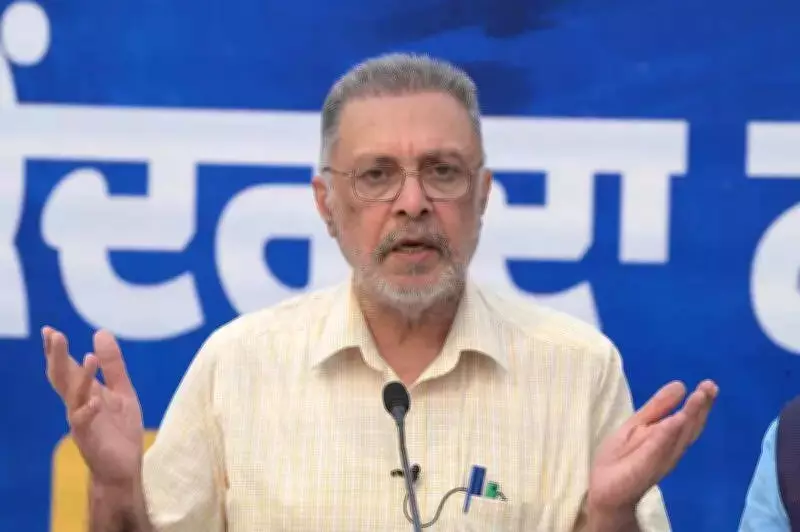
Chandigarh: Amid increasing temperatures across the state, the Punjab health department has taken proactive steps to prepare facilities and the workforce to prevent, mitigate and manage the impacts of extreme heat.
Health Minister's Announcement
Punjab health minister Dr Balbir Singh on Saturday said that extreme heat exposure significantly increased the risk of heat stress, heat exhaustion, and heat stroke, while exacerbating existing cardiovascular and respiratory conditions.
"To ensure the safety of our citizens, all civil surgeons have been directed to operationalise dedicated Heat Stroke Management Units across all district hospitals, sub-division hospitals and community health centres," said Dr Balbir Singh.

He emphasised that these wards were clearly marked and equipped with active cooling measures, including ice packs and cold IV fluids. Essential medical supplies, such as ORS and emergency drugs, are well stocked at every public health facility, the minister added.
Ambulance and Monitoring Preparedness
He further said that ambulance preparedness had been strengthened to provide pre-hospital cooling during transit. The state is utilising the Integrated Health Information Platform (IHIP) portal for real-time monitoring of Heat-Related Illness (HRI) cases, and district task force meetings are being held to coordinate heat action plans with departments such as education, labour, and transport, said Dr Balbir Singh.
"While our medical teams are well trained and ready, I urge the public, especially vulnerable groups like the elderly and children, to remain vigilant and follow the department's safety guidelines," said the minister.
Heatwave Advisory
Do's
- Stay hydrated: Drink water every 20-30 minutes, even if not thirsty. Use ORS, lassi and lemon water.
- Dress appropriately: Wear light-coloured, loose-fitting cotton clothes. Use umbrellas, hats or towels to cover your head.
- Plan your day: Schedule outdoor work during cooler early morning or evening hours.
- Eat smart: Consume water-rich fruits like watermelon, oranges and cucumbers. Eat small, frequent meals.
- Keep indoors cool: Use curtains, fans and ensure proper ventilation.
- Worker safety: Employers should provide shaded rest areas and safe drinking water for outdoor labourers.
Don'ts
- Avoid peak sun: Do not go out between noon and 3 pm unless necessary.
- Skip dehydrating drinks: Limit tea, coffee, alcohol, and carbonated sugary drinks.
- Avoid heavy food: Skip fried, spicy or stale food that can strain digestion.
- No strenuous activity: Refrain from heavy exercise during peak heat hours.
- Vehicle safety: Never leave children or pets inside parked vehicles.
Emergency Symptoms
Seek immediate medical attention if you experience: High body temperature (104℉ or higher), altered mental state, confusion or seizures, hot, red and dry skin, severe headache, nausea or rapid heartbeat.