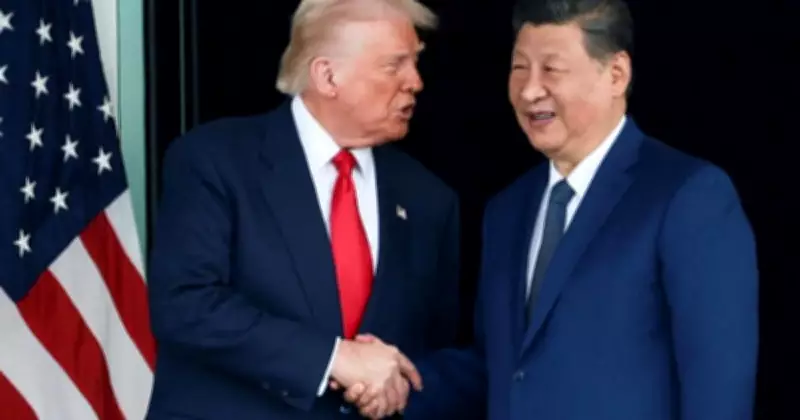
In a strategic pivot that has caught global attention, China is leveraging its influence over the Global South to counterbalance the emerging G2 dynamic between Washington and Beijing. By convening summits that amplify the voices of developing nations, Beijing aims to endear itself to many countries, thereby diluting the impact of the US-China duopoly on world affairs. This move, analysts argue, resets India's calculus in navigating great-power rivalries.
The G2 Challenge and China's Response
The concept of a G2—a US-China condominium managing global governance—has long been debated. For India, the prospect of a bipolar world order poses strategic dilemmas, potentially marginalizing its influence. China, however, is countering this narrative by positioning itself as a champion of the Global South. Through forums like the Forum on China-Africa Cooperation and the Belt and Road Initiative, Beijing fosters solidarity among developing nations, offering an alternative to Western-dominated institutions.
Implications for India
India, traditionally a leader of the Non-Aligned Movement and a voice for the Global South, now faces a Beijing that is actively courting the same constituency. This competition forces New Delhi to recalibrate its foreign policy. On one hand, India seeks to maintain strategic autonomy; on the other, it must engage with both the US and China without being sidelined. The Chinese strategy of amplifying Global South voices could limit India's room for maneuver, especially if Beijing successfully positions itself as the primary representative of developing countries.

Srikanth Kondapalli's Analysis
Professor Srikanth Kondapalli of Jawaharlal Nehru University, who has studied China for over three decades, notes that Beijing's approach is multifaceted. It includes economic incentives, infrastructure investments, and diplomatic outreach. These efforts are designed to create a network of dependencies that reduce the appeal of a G2-centric order. For India, the challenge is to offer a compelling alternative vision that resonates with Global South nations without falling into the trap of bipolarity.
Strategic Options for India
- Deepening Regional Partnerships: Strengthening ties with ASEAN, Africa, and Latin America through trade, technology, and capacity-building initiatives.
- Leveraging Multilateral Forums: Using platforms like the United Nations, G20, and BRICS to articulate a distinct voice that bridges North-South divides.
- Balancing Major Powers: Engaging the US in security and technology cooperation while maintaining dialogue with China on border and economic issues.
Conclusion
As the G2 narrative gains traction, India must navigate a complex landscape where China's Global South diplomacy could constrain its options. By reinforcing its own developmental partnerships and advocating for a multipolar order, New Delhi can safeguard its interests. The coming years will test India's diplomatic agility in a world where the line between cooperation and competition is increasingly blurred.