

Rajasthan Health Department Implements Two-Month Ban on 17 Packaged Food Items
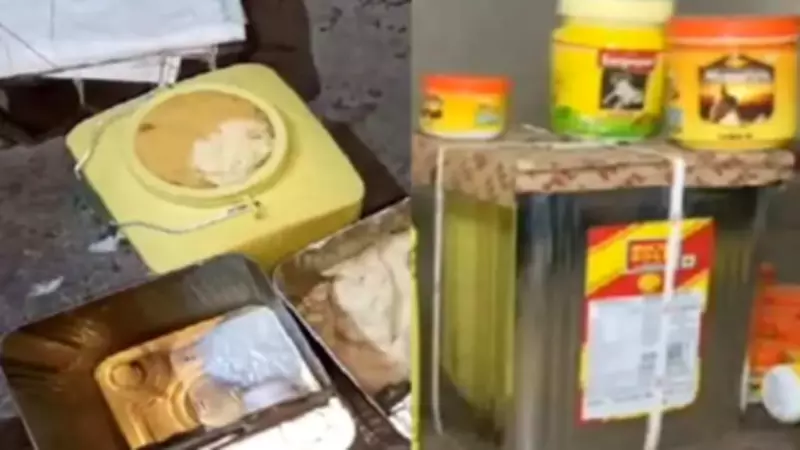
In a significant move to protect public health, the Rajasthan health department has officially prohibited the sale, distribution, and display of 17 packaged food products across the state. This decisive action follows rigorous testing of samples collected from various districts in April 2026, which revealed that these items are unsafe for human consumption. Health officials have issued a stern warning, emphasizing that consuming these products could lead to serious health risks.
Details of the Banned Products and Their Origins
The banned items encompass a diverse range of food categories, highlighting widespread safety concerns. Specifically, the list includes:
- 11 ghee products, which form the majority of the banned items.
- One sample each of turmeric, roasted chana, kesar bati, tea, sugar-boiled confectionery, and namkeen.
An investigation into the origins of these unsafe products reveals a troubling pattern. Of the 11 ghee samples deemed hazardous, seven were manufactured in Haryana, two in Pali (Rajasthan), and one each in Punjab and Jodhpur (Rajasthan). Overall, a substantial portion of the banned items—11 out of 17—are linked to companies based outside Rajasthan, including states like Haryana, Punjab, West Bengal, and Madhya Pradesh.

Official Directives and Enforcement Measures
Principal Secretary of Health, Gayatri Rathore, confirmed that formal orders have been issued to enforce this statewide ban, based on inspection reports that declared the products unsafe. The Food Safety Commissionerate has taken proactive steps by directing all vendors, retailers, and distributors to immediately cease stocking, displaying, or selling the listed items for the duration of the two-month ban period.
Food Safety Commissioner Dr. T. Shubhmangala outlined the legal recourse available to affected traders. Under Section 46(4) of the Food Safety and Standards Act, they have the right to seek re-examination of the samples within the stipulated timeframe. If a referral laboratory also confirms the samples as unsafe, or if no appeal is filed within the prescribed period, a formal recall process will be initiated. Until then, the public is strongly advised to avoid purchasing or consuming any of the banned products to prevent potential health hazards.
Inter-State Coordination and Future Actions
Additional Commissioner of Food Safety, Bhagwat Singh, highlighted the cross-border nature of this issue. Letters have been dispatched to the food safety departments of the concerned states where the manufacturers are based, urging them to take legal action against these companies under the Food Safety and Standards Act. This coordinated effort aims to address the root causes of contamination and ensure accountability beyond Rajasthan's borders.
The health department's swift response underscores its commitment to food safety and public welfare. As the ban takes effect, authorities will continue monitoring compliance and investigating the underlying factors that led to the unsafe conditions of these packaged foods. Consumers are encouraged to stay informed and exercise caution when selecting food products, especially those from unfamiliar brands or regions.






