Triangular Contest Expected in Rejinagar as Humayun Kabir's Entry Adds Uncertainty
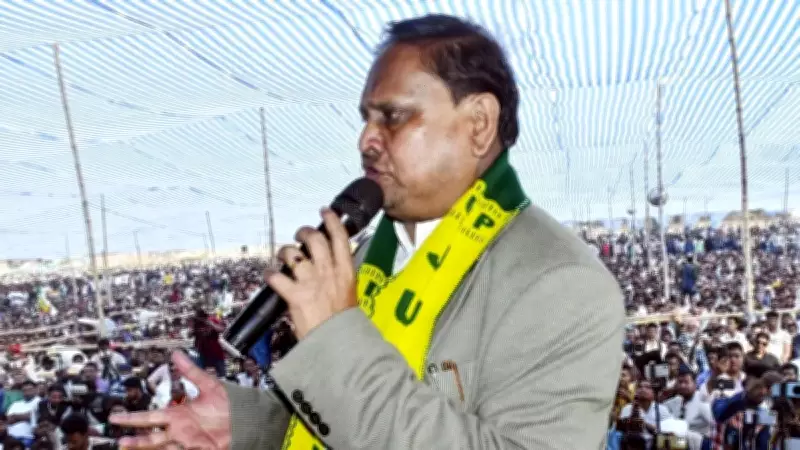
The political arena in Rejinagar, West Bengal, is poised for a significant transformation with the unexpected entry of Humayun Kabir into the electoral fray. This development has introduced a new layer of complexity, effectively turning what was anticipated to be a straightforward battle into a highly competitive triangular contest. The entry of Kabir, a seasoned political figure with a substantial local following, has injected a fresh wave of uncertainty into the upcoming elections, leaving analysts and voters alike speculating about the potential outcomes.
Background of the Political Landscape in Rejinagar
Rejinagar has traditionally been a stronghold for established political parties, with elections often characterized by intense rivalries between major contenders. However, the dynamics have shifted dramatically with Humayun Kabir's decision to contest. Kabir, known for his grassroots connect and previous electoral successes in the region, brings a formidable challenge to the existing candidates. His entry is not merely a symbolic gesture but a strategic move that could realign voter loyalties and disrupt conventional political calculations.
Historically, the constituency has witnessed close contests, but the addition of a third strong candidate like Kabir amplifies the unpredictability. Political observers note that Kabir's appeal cuts across traditional party lines, potentially drawing support from both the ruling and opposition camps. This makes the electoral outcome highly volatile, as even minor shifts in voter sentiment could lead to surprising results.

Impact of Humayun Kabir's Candidacy on Election Dynamics
Humayun Kabir's candidacy has forced the other candidates to recalibrate their campaign strategies. Previously focused on direct confrontations, they must now address a three-way race, which complicates vote-sharing patterns and coalition-building efforts. Kabir's presence is expected to:
- Fragment the vote bank: With three viable candidates, the electorate's support is likely to be divided, reducing the margin of victory and increasing the chances of a nail-biting finish.
- Elevate campaign intensity: All parties are ramping up their outreach, with a focus on local issues and development promises to woo undecided voters.
- Introduce new alliances: There is speculation about potential last-minute alliances or support shifts, as candidates seek to consolidate their positions against Kabir's challenge.
Moreover, Kabir's entry has sparked debates about governance and representation in Rejinagar. His campaign emphasizes transparency and community-driven development, themes that resonate with a populace weary of political stagnation. This has put pressure on the incumbent and opposition candidates to elevate their discourse and deliver more concrete plans.
Broader Implications for West Bengal Politics
The triangular contest in Rejinagar is not an isolated event but reflects broader trends in West Bengal's political landscape. As the state gears up for future elections, such multi-cornered fights could become more common, signaling a move away from bipolar politics. This shift challenges traditional parties to adapt to a more fragmented electoral environment, where independent or regional players like Kabir can wield significant influence.
Analysts suggest that the outcome in Rejinagar could serve as a bellwether for other constituencies, influencing campaign tactics and voter behavior across the state. If Kabir performs well, it might encourage similar candidacies elsewhere, further diversifying the political spectrum. Conversely, a defeat could reinforce the dominance of established parties, but the very presence of a strong third force indicates a maturing democracy where voter choices are expanding.
In conclusion, the entry of Humayun Kabir has undeniably transformed the electoral dynamics in Rejinagar, setting the stage for a closely watched triangular contest. As the campaign progresses, all eyes will be on how this uncertainty unfolds, with potential ramifications for the political future of West Bengal.