

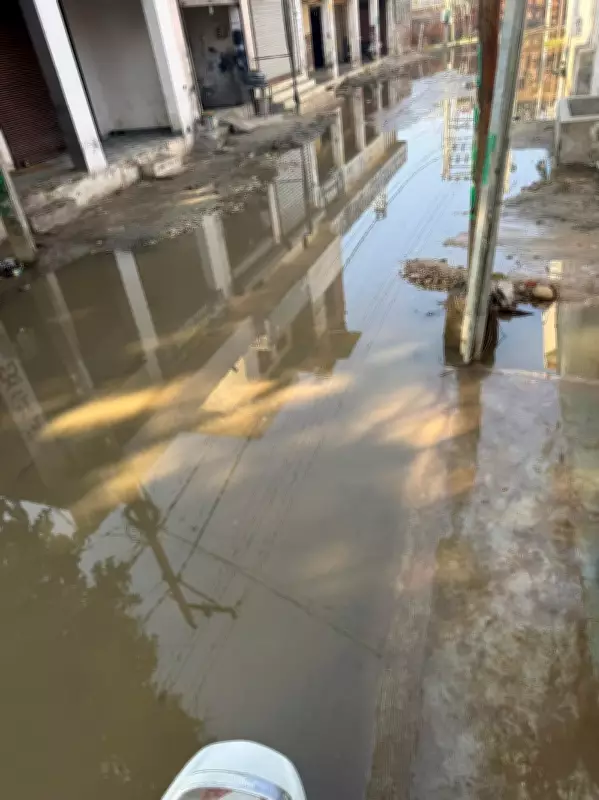
Overflowing Sewers in Sirhind Trigger Widespread Health Alarms
Residents across multiple localities in Sirhind are grappling with a severe public health crisis as overflowing sewers have become a persistent and dangerous issue. The situation has escalated to alarming levels, with stagnant water and foul odors permeating residential areas, raising urgent concerns about disease outbreaks and environmental hazards.
Immediate Health Risks and Community Distress
The overflowing sewers have led to the accumulation of stagnant water in streets and near homes, creating ideal breeding grounds for mosquitoes. This has significantly increased the risk of vector-borne diseases such as dengue and malaria, putting vulnerable populations, including children and the elderly, at heightened danger. Additionally, the pervasive foul smell from the sewage is causing respiratory problems and general discomfort among residents, disrupting daily life and well-being.
Local communities have reported that the problem has been ongoing for weeks, with little to no action from municipal authorities. Many residents express frustration over the lack of timely intervention, fearing that the health implications could worsen if the issue is not addressed promptly. The stagnant water also poses a threat of water contamination, potentially leading to gastrointestinal illnesses if it seeps into drinking water sources.

Calls for Urgent Action and Accountability
In response to the growing crisis, residents and local activists are demanding immediate measures from the Sirhind Municipal Corporation. Key demands include the rapid cleaning and repair of blocked sewer lines, improved drainage systems, and regular monitoring to prevent future overflows. There is also a call for increased public awareness campaigns on hygiene and disease prevention in affected areas.
Authorities have acknowledged the issue but cite challenges such as inadequate infrastructure and resource constraints. However, critics argue that these explanations are insufficient given the severe health risks involved. The situation has sparked debates on urban planning and sanitation management, highlighting the need for sustainable solutions to prevent similar crises in other regions.
Impact on Daily Life and Long-Term ConcernsThe sewer overflow has not only impacted health but also affected the quality of life in Sirhind localities. Residents report difficulties in commuting due to waterlogged streets, and businesses in the area are suffering from reduced foot traffic. The environmental damage, including soil and water pollution, raises long-term concerns about ecological sustainability and public safety.
As the monsoon season approaches, there are fears that the problem could exacerbate, leading to more severe flooding and health hazards. Experts emphasize the importance of proactive measures, such as upgrading sewerage networks and implementing emergency response plans, to mitigate risks and protect community health.






