

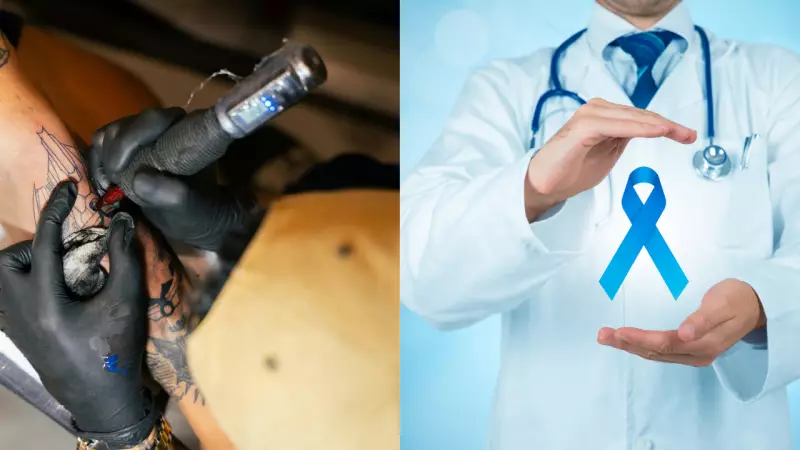
In a nation where body art has transitioned from subculture to mainstream fashion, a groundbreaking new study casts a long shadow. Recent scientific research from Denmark has raised significant health concerns, suggesting a strong link between getting tattooed and an increased risk of developing cancer. This revelation arrives just as India's tattoo industry experiences an unprecedented boom, with studios in metropolitan hubs like Delhi and Bangalore operating at full capacity.
The Danish Twin Study: A Compelling Statistical Link
Conducted by researchers including Signe Bedsted Clemmensen and published in the journal BMC Public Health, the study provides some of the most compelling evidence to date. Scientists analyzed data from nearly 6,000 twins, a methodologically robust approach as twins share genetics and often similar lifestyles, helping isolate the effect of tattoos.
The findings were stark. Tattooed individuals had a 62 percent higher chance of being diagnosed with any form of cancer compared to their non-tattooed counterparts. When focusing on skin cancers specifically, the risk was approximately 1.6 times higher. However, the size of the tattoo emerged as a critical factor. For larger tattoos—those palm-sized or bigger—the risks escalated dramatically. This group showed a 2.4 times higher risk for skin cancer and a concerning 2.7 times higher risk for lymphoma, a cancer of the lymphatic system.

Understanding the Risks: From Lymphoma to Skin Cancer
The heightened risk for lymphoma is particularly alarming to medical experts. Lymphoma affects the lymph nodes, which are part of the body's immune defense network. The connection lies in the journey of tattoo ink. Modern inks break down into nanoparticles, which do not remain stationary in the skin's dermis. These tiny particles can travel through the bloodstream and lymphatic fluid, accumulating in lymph nodes in areas like the armpits and groin.
This foreign material triggers a constant, low-level immune response—a persistent “itch” for the body's defense cells. Over decades, this chronic inflammation is theorized to potentially disrupt normal cell processes, increasing the likelihood of cancerous mutations. This Danish data aligns with earlier Swedish research that found tattooed people had a 21% higher lymphoma risk, independent of how many tattoos they had, though larger tattoos again correlated with greater danger.
The story with skin cancer, however, is more complex. One European study indicated a 29% higher risk of melanoma, possibly because ink particles can interfere with skin surveillance or mask early signs of the disease. Intriguingly, an American study from Utah observed the opposite trend, noting fewer melanomas in people with multiple tattoos. Researchers speculated that inked skin might receive less direct UV exposure or that tattoo enthusiasts are more vigilant about skin changes. Despite this contradiction, the Danish study confirmed a higher risk for other skin cancers like basal cell carcinoma.
India's Tattoo Boom and the Question of Ink Safety
This scientific caution comes at a pivotal time for India. Tattoos have shed their association solely with rebels and rockstars, becoming commonplace among college students, corporate professionals, and even older generations seeking minimalist designs or family symbols. Fueled by social media influencers showcasing their art, the Indian tattoo market is projected to grow exponentially.
Yet, the question of what is injected into the skin remains pressing. Tattoo pigments are complex chemical cocktails that can contain heavy metals like nickel, chromium, cobalt, and carbon black. Certain red pigments, now banned in the European Union, have been classified as carcinogenic. In India, the regulatory landscape is less stringent, with many studios relying on cheaper, imported inks of uncertain quality. The risks are compounded in unregulated, “back-alley” parlors where hygiene standards and needle safety may be compromised.

Experts are not calling for a complete abandonment of body art but emphasize informed choice. Opting for smaller tattoos from reputable, hygienic studios that use high-quality inks can mitigate some risks. Individuals with tattoos are advised to monitor their skin closely and attend regular health check-ups. The scientific community continues to research safer ink formulations, and stronger regulations are on the horizon.
For now, the message is clear: the desire for self-expression through tattoos should be balanced with an awareness of the potential long-term health implications. Making educated decisions ensures your personal canvas remains a celebration, not a cautionary tale.





