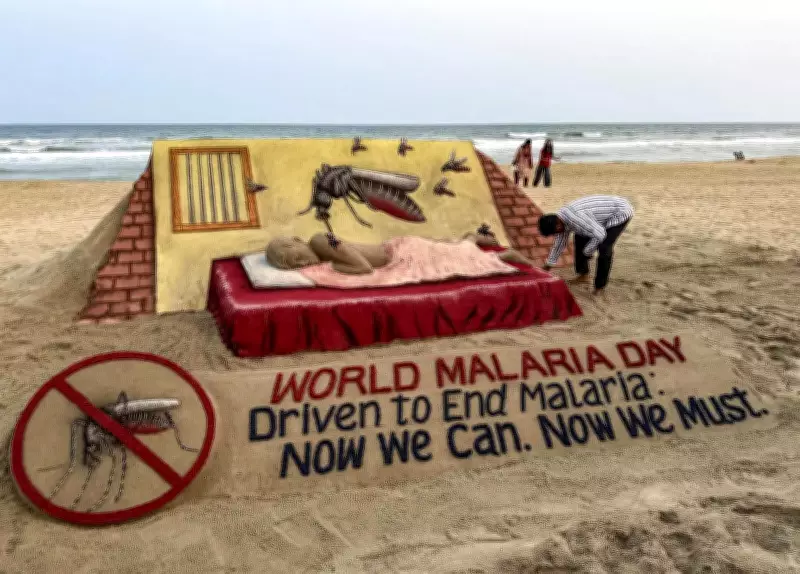
Lucknow: Uttar Pradesh has recorded a seven-fold decline in the number of malaria cases since 2019, a fact that came to the fore on the eve of World Malaria Day. Against 92,000 cases in 2019, the state saw only 14,500 cases in 2025, marking significant progress towards the goal of eliminating malaria by the end of 2030.
Strategic interventions drive decline
Officials attributed the sharp reduction to the state's effective adoption and implementation of the National Strategic Plan for Malaria Control (2023-27), which prioritizes surveillance and early intervention. The strategy mandates reporting of cases within one day, investigation within three days, and targeted response within seven days to curb further spread.
Dr. Vikas Singhal, joint director of the National Vector Borne Diseases Control Programme, emphasized the importance of the "test, treat and track" model. He noted that frontline workers, including ASHAs, ANMs, and community health officers, have been instrumental in ensuring last-mile delivery of these services.

Key health metrics show improvement
Two health metrics highlight the state's success. First, Uttar Pradesh's annual blood examination rate, which indicates how actively the population is being tested for malaria, improved from 2.51% in 2019 to 7.8% in 2025. Second, the test positivity rate remained below 0.25%, reflecting a highly sensitive surveillance system and early detection of cases. These numbers demonstrate that infections are identified before they become severe.
Vector control and public participation
In addition to surveillance, vector control measures such as identifying mosquito breeding sites and larval management have strengthened prevention efforts. Authorities stressed that public participation remains critical, with measures like preventing water stagnation, using mosquito nets, and maintaining hygiene playing key roles.
Sustained behavioral awareness and continued surveillance will be essential to interrupt transmission and consolidate the gains achieved so far. The state remains committed to achieving malaria elimination by 2030.