

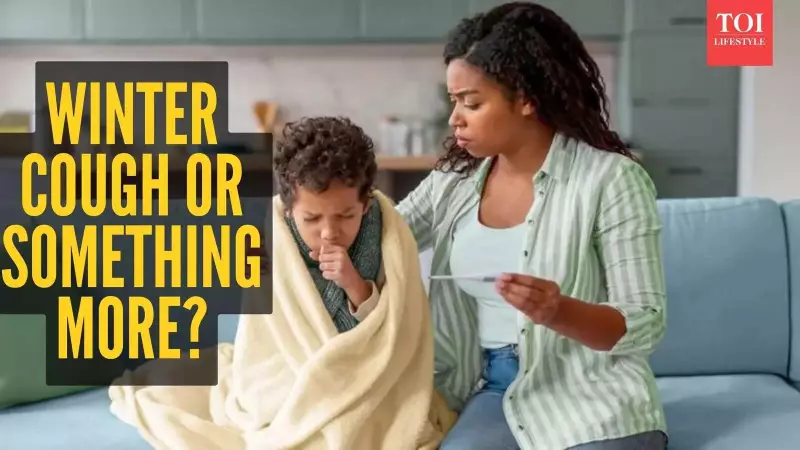
As winter tightens its grip across India, bringing with it a surge in coughs and colds, paediatricians are sounding the alarm on a far more serious threat: pneumonia. This common but potentially severe lung infection can escalate rapidly in young children, and experts warn that many parents may mistake its early signs for a simple seasonal bug.
Why Children Are Vulnerable and What Research Reveals
Pneumonia, an infection that causes inflammation in the lungs' air sacs, is a leading cause of serious illness in children under five. Dr Mounnish Balaji, Consultant Paediatric Pulmonologist, Allergy and Sleep Specialist at Ankura Hospital for Women and Child in Pune, explains the core danger. "The factors leading to pneumonia can be bacteria, viruses or fungi," he states, highlighting that children are more susceptible because their immune systems are still developing.
Recent studies underscore the critical nature of timely recognition. A 2021 review in American Family Physician identified key symptoms like tachypnoea (rapid breathing), cough, fever, and lethargy. Crucially, it notes that changes in breathing patterns are powerful indicators, often more telling than a cough alone.

Prevention is heavily influenced by environment and immunisation. A 2023 analysis on PubMed pointed to indoor air pollution, overcrowding, and tobacco smoke as significant risk factors. It also emphasised the critical protective role of vaccines against pathogens like Haemophilus influenzae type b (Hib) and pneumococcus.
Adding to this, a 2025 study in the International Journal of Contemporary Pediatrics found that being underweight, exposure to indoor smoking, and low immunisation coverage are independent risk factors that increase the severity of pneumonia in children aged one month to five years.
Critical Symptoms Parents Must Never Ignore
Dr Balaji urges caregivers to watch for specific warning signs that demand immediate medical attention. Recognising these can be the difference between a mild illness and a hospitalisation.
Persistent or Worsening Cough: A cough that lingers for days or intensifies, whether dry or productive, should raise concern.
Breathing Difficulties: This is a hallmark sign. Look for rapid, strained breathing, grunting sounds, or chest indrawing (when the skin between the ribs pulls in with each breath). Any struggle to breathe requires urgent care.
Persistent Fever with Chills: A high fever that doesn't subside, accompanied by chills or sweating, can signal a deep lung infection.
Unusual Lethargy and Weakness: If a child becomes exceptionally tired, irritable, or less active than usual, it may indicate their body is fighting a serious infection.
Bluish Discoloration: A bluish tint on the lips, fingertips, or face is a medical emergency, signifying oxygen deprivation.
Poor Feeding and Vomiting: Refusal to eat or frequent vomiting, often triggered by coughing fits, can lead to dehydration and worsen the child's condition.
A Four-Pillar Shield: How to Protect Your Child
Prevention, global health bodies agree, rests on multiple, actionable pillars that parents can control.
1. Vaccination is Non-Negotiable: The World Health Organization (WHO) and the CDC stress that immunisation is one of the most effective shields. Vaccines against Hib, pneumococcus (PCV), measles, and pertussis (whooping cough) dramatically reduce the risk of severe pneumonia.
2. Hygiene is a First Line of Defence: UNICEF and WHO highlight frequent handwashing with soap as a cornerstone of prevention. This simple act removes pathogens that cause respiratory infections before they can reach the lungs.
3. Ensure Clean Air at Home: Both WHO and UNICEF identify indoor air pollution and second-hand smoke as major contributors. Protecting children from cigarette smoke and harmful fumes from cooking fuels is essential for lung health.
4. Build Immunity with Nutrition: Good nutrition fuels a robust immune system. The WHO underscores that exclusive breastfeeding for the first six months provides critical antibodies, significantly reducing pneumonia risk in infants.

The bottom line is clear: While pneumonia remains a common threat to young children, especially in winter, awareness and proactive steps can prevent it. Ensuring timely vaccination, maintaining good hygiene, providing a smoke-free environment, and seeking prompt medical help at the first sign of severe symptoms are the keys to safeguarding a child's health and ensuring a full recovery.
Disclaimer: The information in this article is for educational purposes only and is not a substitute for professional medical advice. Always consult a qualified healthcare provider for diagnosis and treatment.





