

Continuous efforts by the Health Department, active public participation, and improved sanitation practices have led to a remarkable decline in malaria cases in Yamunanagar district over the last few years. Notably, no malaria case has been reported in the district so far in 2026, reflecting the success of preventive and surveillance measures undertaken by the department.
According to official records, Yamunanagar reported 21 malaria cases in 2019. The number declined to three cases in 2020, four in 2021, one in 2022, one in 2023, two in 2024, and three cases in 2025. Encouragingly, no malaria case has been detected in the district to date in 2026.
Health Department's Commitment
Deputy Civil Surgeon-cum-District Malaria Officer Dr Sushila Saini said the steady decline in malaria cases demonstrated the effectiveness of sustained public health interventions and the growing awareness among citizens. She said the Health Department remained committed to achieving the goal of malaria elimination through continuous surveillance, timely interventions, and community participation.

Dr Saini added that all three malaria cases reported during 2025 were linked to persons coming from other states, indicating that local malaria transmission had been effectively controlled in the district. She noted that health teams regularly monitored vulnerable areas and undertook preventive activities before the mosquito breeding season began.
Role of Swachh Bharat Abhiyan
One of the major factors contributing to the reduction in malaria cases has been the improvement in sanitary conditions and cleanliness under the Swachh Bharat Abhiyan launched by Prime Minister Narendra Modi. Since malaria-transmitting mosquitoes breed mainly in dirty and stagnant water, improved waste management, cleaner surroundings, and reduced accumulation of stagnant water have significantly curtailed mosquito breeding opportunities. As a result, dirty water collections, which were once common breeding sites, have become comparatively rare in many areas.
Biological Control Measures
The department is also implementing biological control measures through the release of Gambusia fish, commonly known as mosquito fish, in ponds and stagnant water bodies. These fish feed on mosquito larvae and help prevent mosquito breeding naturally. Before the onset of the monsoon season, officials identify ponds, water reservoirs, and other potential breeding sites for mosquito control activities. At present, 513 ponds, including four urban ponds, have been identified across the district where anti-larval measures are being implemented.
Awareness Campaigns
The Health Department is simultaneously conducting extensive awareness campaigns in schools, villages, and urban localities. Students are being educated about malaria and dengue prevention and encouraged to share health messages with their families and communities.
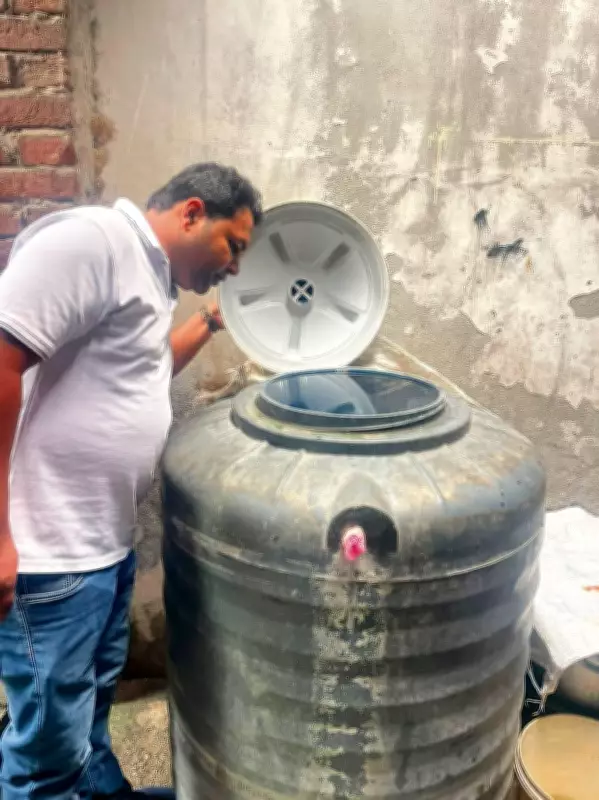
The health teams are also visiting villages to create awareness about preventing water stagnation in coolers, tyres, flower pots, containers, and open spaces around houses. The residents are being advised to maintain cleanliness, cover water storage containers, and regularly clean water tanks. Special emphasis is being placed on filling potholes and low-lying areas where rainwater tends to accumulate. Such measures have played an important role in reducing mosquito breeding and preventing vector-borne diseases.
Community Participation
Health experts believe that community participation remains the key to sustaining these achievements. While government agencies continue to undertake preventive measures, long-term success depends on public cooperation in maintaining cleanliness and eliminating mosquito breeding sites.

Dengue Surveillance and Monsoon Preparedness
Besides malaria, the department is also closely monitoring dengue cases and conducting regular surveillance to prevent outbreaks of mosquito-borne diseases. With the monsoon season approaching, the Health Department has intensified its preparedness activities. As part of the Vector-Borne Disease Control Programme, 35 domestic breeding checker (DBC) volunteers are being deployed across the district. These volunteers will conduct door-to-door inspections from June to November in both rural and urban areas. They will inspect households, schools, offices, shops, and public places to identify mosquito breeding sites. If larvae of the dengue-spreading Aedes mosquito are detected, immediate corrective measures will be advised, and the residents will be educated on preventing future breeding.
Dr Sushila Saini appealed to the citizens to support the department’s efforts by ensuring that water does not stagnate in or around their homes. She urged the residents to regularly clean water containers, cover storage tanks, and eliminate stagnant water sources.
“Public cooperation is essential for keeping Yamunanagar free from mosquito-borne diseases. Together, we can protect our families and communities from dengue and malaria,” said Dr Sushila Saini.





