

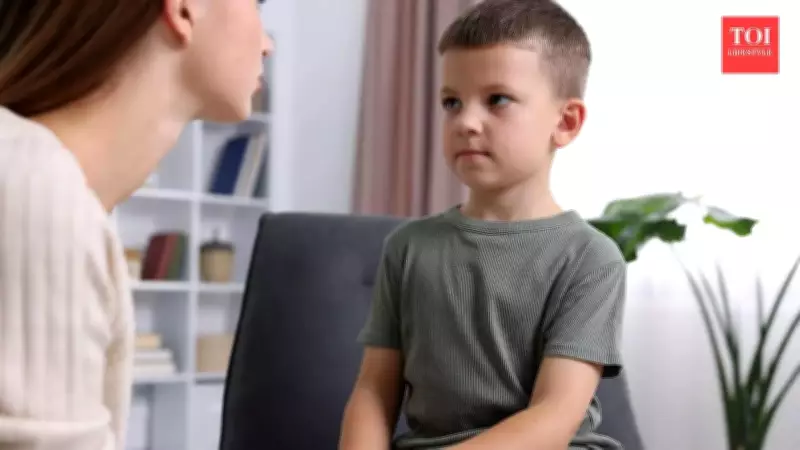
Alarming Rate of Childhood Mental Health Issues Often Goes Unnoticed
In a concerning revelation, clinical psychologist Dr. Jaya Sukul, founder of Headspace Healing in Noida, highlights that parents frequently overlook the suffering of their children. She states that approximately one in five children experiences some form of mental health issue, which is unrelated to intelligence and thus easily neglected.
Anxiety and ADHD: The Most Prevalent Disorders
Dr. Sukul identifies anxiety and Attention Deficit Hyperactivity Disorder (ADHD) as the most common symptoms of mental health disorders in children. Anxiety manifests through difficulty sleeping, constant tension or worry, and avoidance of social situations. ADHD, on the other hand, involves more than just hyperactivity; it includes significant challenges with attention, concentration, and impulsive behavior.
Root Causes of Anxiety and ADHD
The primary causes of anxiety in children stem from a lack of emotional support within the family. This includes undervaluing a child's emotional needs, engaging only in transactional or academic conversations, family dysfunction or trauma, and bullying at school. For ADHD, it is a developmental disorder that has no connection to intelligence but focuses solely on attention and concentration. While excessive screen time can exacerbate symptoms today, ADHD is typically present from birth and worsens if not properly addressed or misunderstood.

Strategies for Improvement and Support
Anxiety can be mitigated by enhancing family relationships, creating a safe environment where a child's feelings are validated, and fostering confidence without comparisons to others. For ADHD, prevention is less feasible; instead, solutions and identification-based awareness are crucial. If a child exhibits extreme restlessness or easy distractibility, rather than labeling them as naughty, a psycho-educational assessment is recommended to ensure proper help is provided.
Parental Role in Modeling Behavior
Dr. Sukul emphasizes that children learn more by observing than by listening. Parents should model better behaviors by improving themselves to positively impact their family and kids. Key actions include creating a safe space for children to express themselves, being firm yet not harsh, and offering support instead of scolding when shortcomings are observed.






