

Massive Nurse Walkout Hits New York City Hospitals
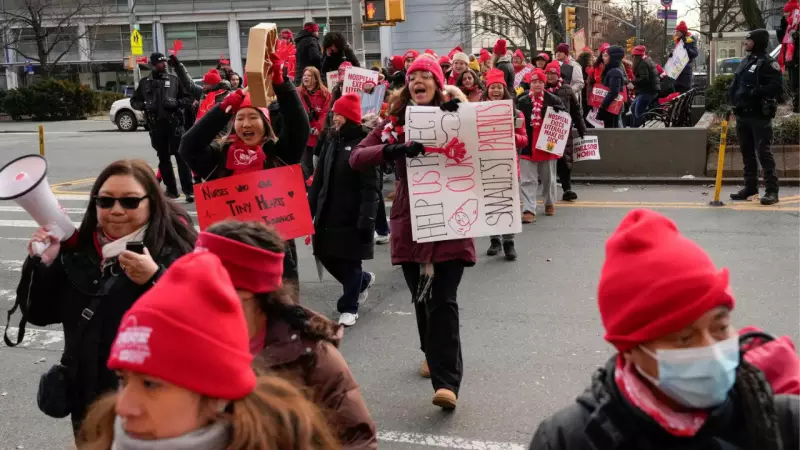
Nearly 15,000 nurses walked off the job on Monday at some of New York City's largest private hospitals. This action marks one of the most significant labor confrontations in the city's healthcare sector in decades. The strike immediately raised serious concerns about severe staffing shortages at major medical centers across the city.
Ten Major Hospitals Affected by the Strike
The walkout affected ten major hospitals in New York City. These facilities include NewYork-Presbyterian/Columbia, Montefiore Medical Center in the Bronx, and Mount Sinai Hospital's main campus in Manhattan. Two other Mount Sinai facilities also experienced the strike. The labor action follows completely stalled contract negotiations between the nurses' union and hospital management.
Key issues in the negotiations include staffing levels, wages, healthcare benefits, and workplace safety. According to news agency Reuters, Mount Sinai has issued a stark warning about the union's proposals. The hospital system claims these proposals would cost them a staggering USD 1.6 billion over three years. This figure includes a USD 638 million increase in nursing costs by the third year alone. Mount Sinai stated this represents a massive 74 per cent rise over their current nursing expenses.

Nurses Cite Chronic Understaffing and Safety Fears
Nurses on the picket lines explained their reasons for striking. They said chronic understaffing has forced them to care for too many patients at one time. This situation puts both medical staff and patients at significant risk. The nurses are also demanding better protection from workplace violence. They report that threats increasingly come from patients and visitors to the hospitals.
The New York State Nurses Association released a strong statement. "The strike is necessary to force hospitals to ensure minimum staffing ratios so that nurses aren't overwhelmed," the union said. On Monday morning, dozens of nurses rallied outside NewYork-Presbyterian Hospital in uptown Manhattan. They spoke passionately about their inability to take proper breaks and the lack of adequate healthcare benefits.
Michael Lazar, a 53-year-old nurse at NewYork-Presbyterian, shared his experience with Reuters. "In the operating room, I work as a night nurse, and we're always short on staffing, and this is unsafe for the patient," Lazar stated clearly. His words highlight the direct impact on patient care.
History Repeats with a Larger Scale
This current strike follows a similar walkout just three years ago. That earlier action involved approximately 7,000 nurses at Mount Sinai and Montefiore hospitals. It ended after hospitals agreed to hire more nurses and implement enforceable staffing ratios. The union has since secured penalties for when hospital units become understaffed. However, nurses now claim hospitals are actively seeking to weaken those hard-won safeguards.
State health officials have issued advisories to hospitals unaffected by the strike. They instructed these facilities to prepare to accept transferred patients. The New York State Department of Health made a significant statement. They confirmed that facilities where nurses are on strike may transfer patients, even against their will, if medical necessity requires it.
Political Leaders Join the Picket Lines
New York City Mayor Zohran Mamdani joined nurses on the picket lines on Monday. The mayor, just two weeks into his term, voiced strong support for the striking workers. He also urged both sides to return to the negotiation table immediately.
"The nurses are not asking for a multi-million dollar salary," Mayor Mamdani told reporters directly. "What they are asking for is for their pensions to be safeguarded, to be protected in their own workplace, and to receive the pay and health benefits that they deserve." The mayor urged hospital management and the union to bargain in good faith. He warned that prolonged disruptions could strain an already pressured healthcare system to its breaking point.

Governor Declares a State of Emergency
New York Governor Kathy Hochul took decisive action last week. She declared a disaster emergency in response to the impending strike. This declaration allows hospitals to bring in out-of-state and foreign medical personnel to cover for striking nurses. The emergency order will remain in effect until February 8, providing temporary staffing solutions.
In an executive order signed on Friday, Governor Hochul stated "a disaster is imminent." She warned clearly that the strike could "impact the availability and delivery of care, threatening public health" across New York State. The governor's move underscores the severity of the situation and its potential consequences for patients.





