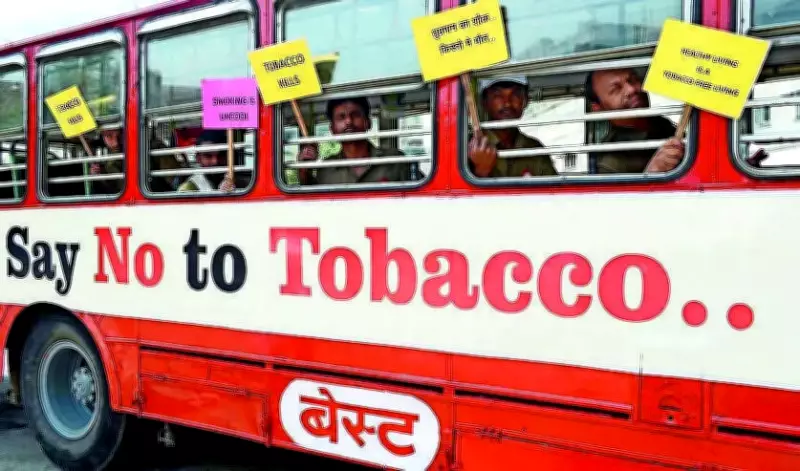
Mumbai: The city's tobacco-free BEST Initiative has achieved a significant public health milestone, with 62 BEST drivers and conductors successfully quitting tobacco. This represents 49% of those enrolled in the quitting programme, according to survey findings released by the Cancer Patients Aid Association (CPAA) on Sunday.
Baseline Survey Highlights
A baseline survey conducted in 2016-17 among nearly 3,000 BEST employees found that more than 65% of the workforce used tobacco. This underscored the health challenge faced by drivers and conductors working under stressful and irregular conditions.
Follow-Up Results
A follow-up survey in 2025-26 covering 1,800 BEST employees showed that the intervention is producing results. It identified 249 new tobacco users, allowing CPAA to begin counselling and support. Additionally, it recorded that 62 employees quit tobacco through the structured cessation programme. CPAA stated this translates into a quit success rate of about 49% among those enrolled.

Rising Lifestyle Diseases
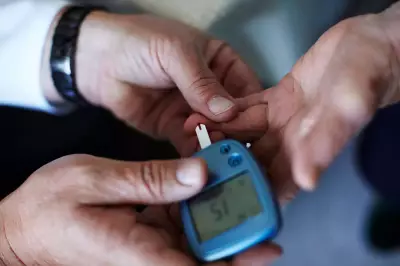
The survey also flagged a rising burden of lifestyle diseases such as hypertension, diabetes, and obesity, especially among tobacco users. This points to a broader non-communicable disease risk within the BEST workforce.
Health Screenings Across Depots
Health screenings across 13 depots — Colaba, Backbay, Reay Road, Mumbai Central, Worli, Wadala, Kalakilla, Anik Nagar, Kurla, Ghatkopar, Marol, Oshiwara, and Dadar Workshop — detected early warning signs of oral health conditions including submucous fibrosis, leukoplakia, and erythroplakia, all recognized as pre-cancer indicators. In one case, an employee required an immediate biopsy.
Occupational Stress and Tobacco Use
CPAA noted that tobacco addiction among BEST staff is often tied to occupational stress, long and irregular working hours, fatigue, pollution exposure, irregular meals, and workplace culture, making sustained workplace intervention essential.
Recognition and Future Plans
Anita Peter, executive director of CPAA, said the survey findings show that workplace-based interventions are helping employees quit tobacco and adopt healthier lifestyles. To recognize those who have quit, CPAA will felicitate BEST drivers and conductors on May 29. Dr. Anilkumar Singal, chief medical officer of BEST, emphasized that preventive healthcare interventions are especially important for transport workers facing high occupational stress and irregular schedules. He added that early detection through screening camps is helping prevent long-term complications. Encouraged by the findings, CPAA plans to expand the initiative across 3,300 BEST buses and 27 depots, targeting nearly 5,000 beneficiaries through continued awareness, screening, counselling, de-addiction support, and follow-up care.