5 Foods a Neurologist Eats Every Day for Better Brain Health
Your brain needs what your heart desires—yes, that’s right, but in terms of nutrition. Just as your heart does, your brain also requires the right nutrients to function properly. “A nutrient-rich diet is crucial for heart, vascular and brain health, as about 25% of our blood supply goes to our brain,” Dr. Aaron Lord, chief of neurology at NYU Langone Hospital in Brooklyn, told the New York Post. Dr. Lord, who treats patients with severe brain injuries from stroke, brain bleeds, trauma, or seizures, emphasizes that what you eat directly affects your brain. Here are some foods the neurologist regularly consumes to enhance his brain health.
Wild Fish
Eating fatty fish is excellent for your brain because they contain omega-3 fatty acids. These healthy fats possess anti-inflammatory properties. Think of salmon, grouper, and halibut. Add them to the list of brain-healthy fish. The neurologist recommends choosing wild-caught fish whenever possible, as they offer superior health benefits. “Try to get your fish as fresh and as wild as possible. Farm-raised fish often feed on things you wouldn’t want to eat,” the doctor said.
Leafy Greens
Go green, quite literally. Your body and brain need leafy greens. Forget expensive supplements and try to incorporate leafy greens into your diet regularly. The neurologist explains that leafy greens are good sources of fiber, folate, lutein, and beta-carotene. Bok choy, asparagus, and broccolini are some of his favorites. He also shares the ideal way to eat them for maximum nutritional value: steamed, blanched, or sautéed. “Toss with olive oil, a little salt, and roasted garlic. Remember to use salt at the end of cooking,” he said. “Asparagus doesn’t look leafy, but I love it because it cooks quickly and has loads of fiber. Fiber keeps your gut microbiome happy, which positively influences brain function,” Dr. Lord added.

Tomatoes
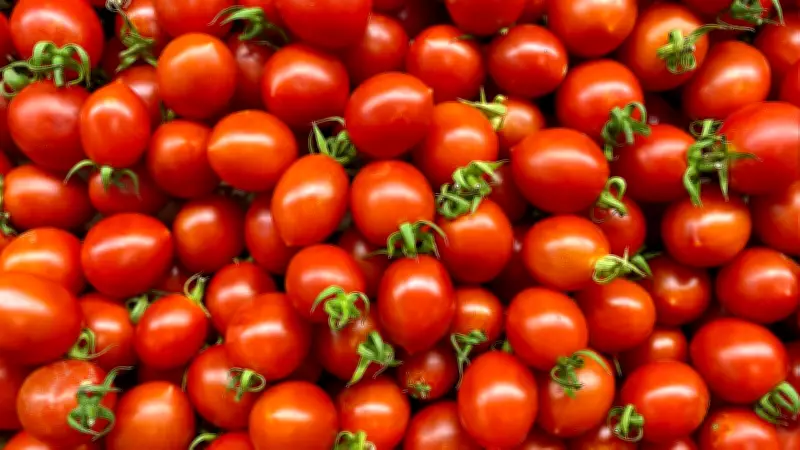
Go crazy about tomatoes because your brain loves these red fruits. They are a rich source of lycopene, a powerful antioxidant related to beta-carotene. Think of antioxidants as powerful warriors that combat inflammation and oxidative stress, thereby helping to prevent neurodegeneration. “I love buying the larger grape tomatoes or mandarin-sized tomato medley. They are so versatile—cut them up for salads, stew them for a quick sauce for fish or chicken, or serve them with a little chunk of mozzarella, basil, and olive oil for an appetizer,” the doctor said.
Walnuts and Berries
Ditch your afternoon fried snack for a handful of walnuts and berries. Walnuts are one of the best foods for your brain. Nuts in general are good, but walnuts have the highest ratio of omega-3 (good fats) to omega-6 (bad fats). The neurologist also enjoys some blueberries in the morning. “They are rich in flavonoids, which are potent antioxidants and anti-inflammatory molecules that can help reduce the effects of stress on the brain,” the doctor said. The best way to include both in your diet is to have them for breakfast. “Overnight steel-cut (not rolled) oats with fresh berries and walnuts are an amazing and healthy breakfast. It’s OK to drizzle honey or maple syrup on top. A pinch of salt can bring out the flavor of the oats,” he said.
Coffee and Tea
Yes, that’s right. Your morning cup of coffee or tea is doing more than you think. Dr. Lord has tea almost every day. “Teas are just dried whole plants—they are a great source of phytonutrients, which can significantly benefit brain metabolism. Coffee beans are berries that have been dried and roasted. Tea and coffee are rich in flavonoids, which can contribute to improved glycemic control,” the neurologist explained. Coffee and tea also contain caffeine, which improves concentration and reduces your risk of dementia. However, remember to consume caffeine in moderation.