

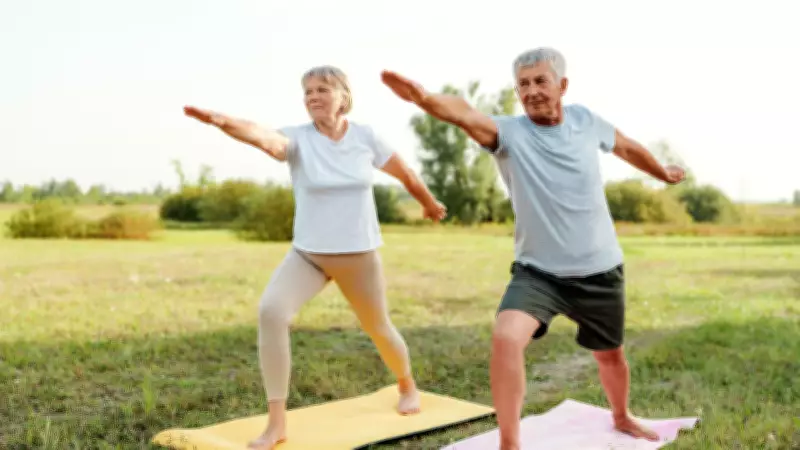
Ageing is one of life's few certainties. Yet the way people experience it can vary greatly. Some remain active, independent, and mentally sharp well into their later years, while others struggle with stiffness, fatigue, poor balance, and declining mobility much earlier. The difference often lies in daily habits.
Modern science continues to highlight the importance of movement, stress management, quality sleep, and social wellbeing for healthy ageing. Interestingly, many of these principles have been part of yoga and Ayurveda for centuries. The idea is not to fight ageing, but to support the body so it can adapt gracefully to the changes that come with time.
A growing body of research supports yoga's role in promoting healthy ageing. The National Center for Complementary and Integrative Health (NCCIH), a part of the US National Institutes of Health, notes that yoga may improve balance, flexibility, strength, stress levels, and overall quality of life. Dr Mandeep Singh Basu, Director, Mirasa Ayurveda, believed that healthy ageing does not require complicated routines. "Ageing is inevitable. Suffering through it is not. We believe that when yoga and Ayurveda walk together, the body finds its natural rhythm at every stage of life — and that rhythm begins with consistency, not complexity."

The good news is that even five to ten minutes a day can make a difference when practised regularly.
Start the day by waking up your joints, not your phone
Many people begin their mornings by reaching for their phones. The body, meanwhile, remains stiff from hours of inactivity during sleep. One of the simplest ways to support healthy ageing is through gentle joint movements immediately after waking. In yoga, these movements are often part of the Pawanmuktasana series.
Dr Basu explained, "Stiff joints in the morning are an early indicator of aging Vata. Do ten minutes of mild ankle rotations, wrist circles, knee bends and neck releases first thing you wake up. This lubricates the joints, promotes circulation and signals the body to wake up with ease instead of resistance."
These movements may look insignificant, but they encourage blood flow, reduce stiffness, and help maintain range of motion. Over time, preserving joint mobility becomes essential for maintaining independence and reducing the risk of injury. Think of it as oiling a well-used machine. The goal is not intensity. It is ease of movement.
A few minutes of conscious breathing can calm an ageing nervous system
Breathing is something most people rarely think about until it becomes difficult. Yet research increasingly shows that controlled breathing practices can influence stress levels, heart rate, and emotional wellbeing. Chronic stress has been linked to several age-related health concerns, including sleep disturbances and cardiovascular problems.
According to Dr Basu, "Five minutes of slow, deep belly breathing, especially Nadi Shodhana (alternate nostril breathing), soothes the nervous system, supports lung capacity, and balances the doshas. According to Ayurvedic philosophy, breath is the vehicle of prana, or life force. The most powerful anti-ageing tool we have is looking after it each day."
A study published by the National Institutes of Health has also highlighted the positive effects of yogic breathing on stress reduction and autonomic nervous system regulation. The beauty of breathing exercises lies in their simplicity. They can be practised while sitting in a chair, during a work break, or before bedtime.
Balance training today can prevent falls tomorrow
One of the greatest threats to healthy ageing is not necessarily disease. It is falling. This is where simple standing balance postures can help. "Tree pose (Vrikshasana) or a basic single-leg stand for 30 seconds on each side enhances proprioception and helps prevent falls, which are a severe health risk for older persons. Balance is not just physical. It is a balance of mind, body and energy," said Dr Basu.
What makes balance exercises unique is that they challenge both the body and the brain. The nervous system must constantly communicate with muscles to keep the body steady. Over time, these small moments of balance practice can improve coordination, confidence, and stability during everyday activities such as climbing stairs or walking on uneven surfaces.

Keep the spine moving to stay mobile
There is a common saying in yoga circles: a person is only as young as their spine. While the phrase may not be scientific, the underlying message holds weight. Reduced spinal mobility can affect posture, movement efficiency, and even daily comfort.
Dr Basu recommended gentle seated forward bends and twists as part of a daily routine. "The sign of a young body is a flexible spine. Gentle seated twists and forward folds keep the spine supple, heat up the digestive fire (Agni) and take the pressure off the lower back, a common issue as we get older."
Many adults spend large portions of the day sitting, whether at desks, in cars, or on sofas. This can contribute to stiffness and reduced mobility over time. Gentle spinal movements encourage flexibility and help counteract the effects of prolonged sitting. They may also promote body awareness, helping people recognise tension before it develops into persistent discomfort. The emphasis here is not on touching the toes or achieving a perfect pose. It is about maintaining movement in a body designed to move.
End the day with five minutes against a wall
Healthy ageing does not begin and end with exercise. Recovery matters too. Sleep plays a crucial role in memory, immune function, tissue repair, and emotional health. Yet many adults struggle with poor-quality sleep as they age.
One restorative yoga practice often recommended for relaxation is Viparita Karani, commonly known as Legs-Up-the-Wall Pose. "This restorative inversion requires no flexibility and costs nothing but five quiet minutes. It reduces leg swelling, calms the mind, improves venous return, and prepares the body for deep, restorative sleep — the single most undervalued pillar of healthy ageing," said Dr Basu.
The pose is accessible to most people and requires little effort. Simply resting with the legs elevated against a wall can encourage relaxation after a long day. It also offers something many people overlook in modern life: stillness. In a world that constantly encourages doing more, healthy ageing may sometimes be about learning when to pause.
Small rituals create the biggest change
The conversation around healthy ageing is often dominated by expensive treatments, complex fitness programmes, and miracle solutions. Yet the foundations remain surprisingly simple. Movement. Breath. Balance. Flexibility. Rest. These practices are not dramatic, and that may be precisely why they work. They are sustainable.
As Dr Basu puts it, "The Ayurveda industry is growing in leaps and bounds and invites individuals at every stage of life to explore this marriage of yoga and Ayurvedic wisdom — not as a cure, but as a returning home to the body's innate intelligence."
This article is for informational and educational purposes only and should not be considered medical advice. Individuals with existing medical conditions, injuries, balance disorders, cardiovascular disease, or mobility limitations should consult a qualified healthcare professional before beginning any new yoga or exercise routine.





