

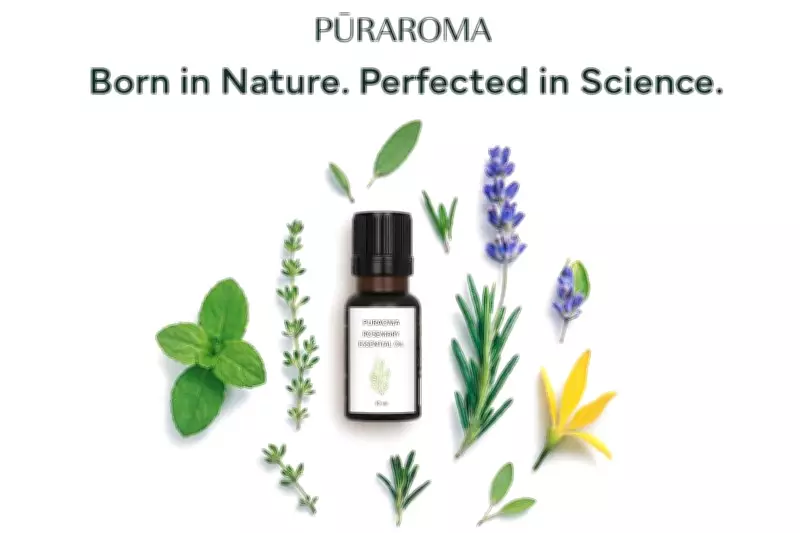
Aromatherapy: When Ancient Traditions Converge with Modern Scientific Inquiry
In recent years, aromatherapy has transitioned from a niche alternative practice to a mainstream wellness trend, capturing the attention of both health enthusiasts and the scientific community. This holistic approach, which utilizes essential oils extracted from plants, is now being rigorously examined through the lens of modern science to validate its purported benefits.
The Scientific Foundation of Aromatherapy
Researchers are delving into the biochemical mechanisms behind aromatherapy, exploring how volatile compounds in essential oils interact with the human body. Studies suggest that when inhaled or applied topically, these oils can influence the limbic system—the brain region associated with emotions, memory, and arousal. This interaction may explain why certain scents, such as lavender or peppermint, are reported to alleviate stress, enhance mood, and improve sleep quality.
Key findings from recent scientific investigations include:

- Stress Reduction: Essential oils like bergamot and chamomile have shown promise in lowering cortisol levels, the body's primary stress hormone.
- Sleep Enhancement: Lavender oil, in particular, has been linked to improved sleep patterns and reduced insomnia symptoms in clinical trials.
- Mood Elevation: Citrus oils, such as orange and lemon, are being studied for their potential to boost serotonin and dopamine, neurotransmitters associated with happiness and well-being.
Modern Applications and Growing Popularity
As scientific evidence accumulates, aromatherapy is being integrated into various modern wellness practices. From diffusers in homes and offices to specialized spa treatments, the use of essential oils has become widespread. The global aromatherapy market is experiencing significant growth, driven by increasing consumer awareness and a rising demand for natural, non-invasive health solutions.
Notable trends in the contemporary aromatherapy landscape include:
- Personalized Blends: Wellness experts are creating custom essential oil combinations tailored to individual needs, such as focus blends for productivity or calming mixes for anxiety relief.
- Tech-Enhanced Delivery: Innovations like smart diffusers and wearable aromatherapy devices are making it easier for people to incorporate these practices into their daily routines.
- Corporate Wellness Programs: Many companies are adopting aromatherapy to improve employee well-being, reduce workplace stress, and enhance overall productivity.
Challenges and Future Directions
Despite its growing acceptance, aromatherapy faces challenges, including the need for more large-scale, randomized controlled trials to solidify its efficacy. Additionally, quality control and standardization of essential oils remain critical issues, as variations in purity and concentration can affect outcomes.
Looking ahead, the fusion of aromatherapy with other wellness modalities, such as mindfulness and yoga, is expected to expand its reach. As research continues to bridge the gap between tradition and science, aromatherapy is poised to become an integral component of holistic health strategies in the modern era.






