

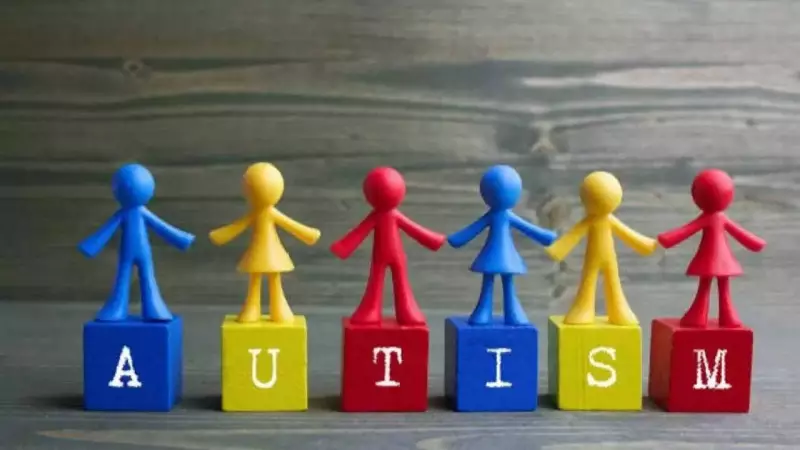
In recent years, Autism Spectrum Disorder (ASD) has gained significant attention in public discourse. While increased awareness is a positive step, it has also paved the way for numerous misconceptions to spread. For parents navigating their child's developmental journey, this barrage of often-misguided advice can be overwhelming and detrimental to making informed decisions.
Dispelling these myths is not just about setting the record straight; it's about providing families with the clarity and confidence needed to support their children effectively. Understanding the reality of autism is the first, crucial step toward acceptance and appropriate intervention.
Debunking Common and Hurtful Autism Myths
One of the most persistent and painful myths is that autism results from poor parenting. This false belief suggests that something the parents did or failed to do caused their child's condition. In truth, autism is a complex neurological disorder primarily influenced by genetics and differences in brain development. Parenting style is not a causative factor. Blaming parents only adds unnecessary stress and guilt to an already challenging situation, without offering any benefit or solution. While supportive and positive parenting can help a child thrive, it does not 'cure' or remove the autism.

Another widespread misconception is that children with autism lack feelings or the capacity for emotional connection. This is fundamentally untrue. Autistic children experience the full spectrum of human emotions—love, joy, fear, and sadness—often with great intensity. The difference lies in how they express these feelings, which may be unconventional or difficult for others to interpret. With patience, understanding, and care, parents can discover a profound and unique bond with their child, built on deep emotional reciprocity.
The Reality of the Autism Spectrum and Independence
A dangerous myth that preys on vulnerable families is the promise of a 'cure' for autism. It is vital to understand that autism is a lifelong neurological condition, not a disease to be eradicated. Various therapies and interventions can immensely help individuals improve communication, learn new skills, and manage daily living activities. However, these supports do not eliminate the underlying neurodivergence. False promises of quick cures can lead parents down expensive and heart-breaking paths, offering hope where there is only exploitation.
It is also a gross oversimplification to believe that all autistic children are the same. Autism is, by definition, a spectrum disorder. This means experiences and abilities vary vastly from one individual to another. One child might be highly verbal, while another may be non-speaking. Some may require significant lifelong support, while others achieve a high degree of independence. Expecting uniform behavior across the autistic community is unrealistic and ignores the beautiful diversity within it.
A Future Full of Potential
Perhaps one of the most limiting myths is the fear that an autism diagnosis condemns a child to a life without independence or fulfillment. This is a disservice to the potential of countless individuals on the spectrum. With the right support systems, many autistic people grow up to pursue higher education, build meaningful careers, form lasting relationships, and follow their passions. Autism does not have to be a barrier to a full life; rather, it is a different way of being that, when understood and accommodated, can guide a person toward their own version of success and happiness.
Moving beyond myths and embracing evidence-based facts is essential for creating a more inclusive and supportive society for individuals with autism and their families. Accurate knowledge empowers parents to seek appropriate help, advocate for their children, and focus on their strengths, paving the way for a future defined by possibility, not misconception.






