

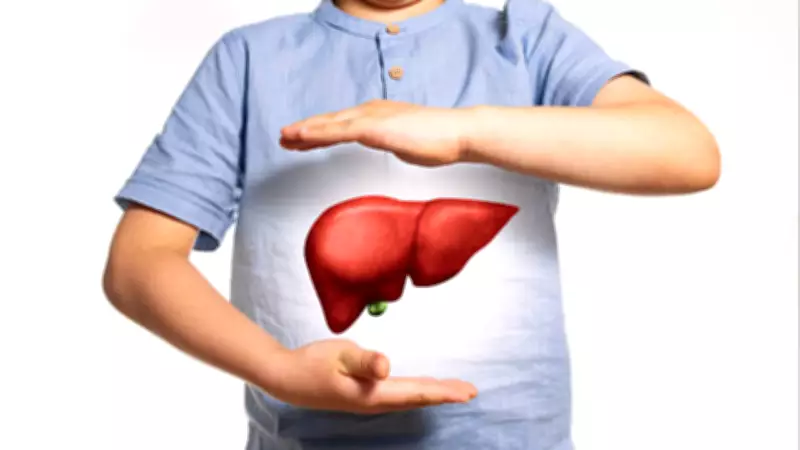
The Silent Epidemic of Childhood Liver Disease in India
A child sitting in a classroom in Chennai or Mumbai today may not feel unwell. She eats, goes to school, plays and yet, inside her liver, something is quietly going wrong. And by the time symptoms become obvious enough to act on, the window for early intervention may already have narrowed.
This is the reality of childhood liver disease in India right now. According to the World Obesity Atlas 2026, 83 lakh Indian children already carry BMI-attributed liver disease. And if nothing changes, 1.19 crore Indian children will reach adulthood carrying Metabolic Dysfunction-Associated Steatotic Liver Disease, a condition that seeds cirrhosis and liver cancer in the decades that follow.
Dr. Kavitha Sampathkumar, Senior Consultant at MGM Malar Hospital, Chennai, wants parents to understand something most of them don't: liver problems in children rarely announce themselves dramatically.

Why the Liver Matters More Than Most Parents Realise
The liver is one of the largest organs in the body, and in children it carries an enormous load. It handles detoxification, manages metabolism, secretes digestive enzymes, and provides major immune support. When it starts to struggle, the effects spread across the whole body, but the early signals are so easy to dismiss that most families don't connect them to the liver at all.
"Liver diseases still often go unnoticed in their early stages," says Dr. Sampathkumar. "The symptoms can be non-specific as well as subtle, and this is often overlooked. When the warning signs are missed, it leads to delayed diagnosis."
Part of the problem, she explains, is that children are simply not good at describing what they feel. Unlike adults who might mention a dragging sensation or persistent fatigue, young children don't always have the language to flag these things. And early liver dysfunction doesn't always come with symptoms that look alarming. Conditions like biliary atresia, Wilson's disease, hepatitis, fatty liver, glycogen storage disorders, and genetic liver conditions can develop steadily over time without triggering any obvious alarm. A cross-sectional study on school children aged 5 to 10 years found that 19% of normal-weight children and 37% of overweight children had non-alcoholic fatty liver disease, most of them undiagnosed.
The Signs Parents Are Missing
Dr. Sampathkumar lists the early warning signs that frequently get overlooked, and several of them are things most parents would explain away without a second thought.
Pale-coloured stools and dark-coloured urine are among the most telling signs, she says, and in newborns especially, the colour of stool matters enormously. If a newborn's stool appears pale or ivory-coloured, the child needs to be taken to hospital immediately. This can be a sign of biliary atresia, a serious condition where the bile ducts are blocked or absent, and early detection makes a significant difference to outcomes.
Persistent fatigue is another sign that gets explained away as tiredness from school, too much activity, or a growth phase. But children who tire easily and show signs of lethargy without an obvious cause may be experiencing subtle liver dysfunction. Similarly, poor appetite combined with failure to gain weight or height can point to an underlying liver issue.
Abdominal distension, a dragging sensation, or a vague feeling of fullness and mild discomfort in the abdomen are also worth taking seriously. And yellowing of the skin or eyes — jaundice — should never be ignored at any age, Dr. Sampathkumar stresses. It is one of the clearest indicators that something is wrong with liver function.
There are two other signs she flags that most parents wouldn't think to connect to the liver at all. Frequent bruising or prolonged bleeding during an injury happens because the liver produces clotting factors, and when it isn't functioning properly, bleeding takes longer to stop than it should. And itching of the skin without any allergic reaction can signify defective bilirubin conjugation, a marker of liver stress. Swelling in the legs is another symptom worth noting and investigating.

What Parents Can Do
Dr. Sampathkumar's prevention advice is practical and starts at home. A balanced diet and regular physical activity are the two most important factors in preventing obesity-related liver disease. Good hygiene practices reduce the risk of infections like hepatitis A, which spreads through contaminated food and water. And hepatitis B vaccination should not be skipped.
She also raises something many parents don't consider: the risk of medication-related liver injury in children. Prolonged use of antibiotics or over-the-counter medicines without medical supervision can cause real harm to the liver over time. It's a quiet risk that gets little attention.
Regular paediatric check-ups are essential and more so, Dr. Sampathkumar emphasises, when there is a family history of liver disease or viral hepatitis. Childhood obesity should be actively monitored and followed up by a doctor, not treated as something a child will simply grow out of.
When to See a Doctor Without Delay
Dr. Sampathkumar is direct about when to stop waiting and seek medical attention. Any degree of yellowing in the eyes or skin, nausea, consistent vomiting, a child refusing to eat, or fatigue that lasts more than a day, these are the signals that warrant a visit to the doctor, not a wait-and-see approach.
"Children rarely begin liver diseases with dramatic symptoms," she says. "Being attentive is the key, it can be lifesaving. Early detection simplifies treatment and ensures that the child thrives and grows well."
That last part is worth sitting with. The liver is quiet by nature. It doesn't send sharp, unmistakable warnings the way some other organs do. In children, it's even quieter. Which means the responsibility falls on the adults around them, to notice the small things, ask the right questions, and not wait for a crisis before acting.





