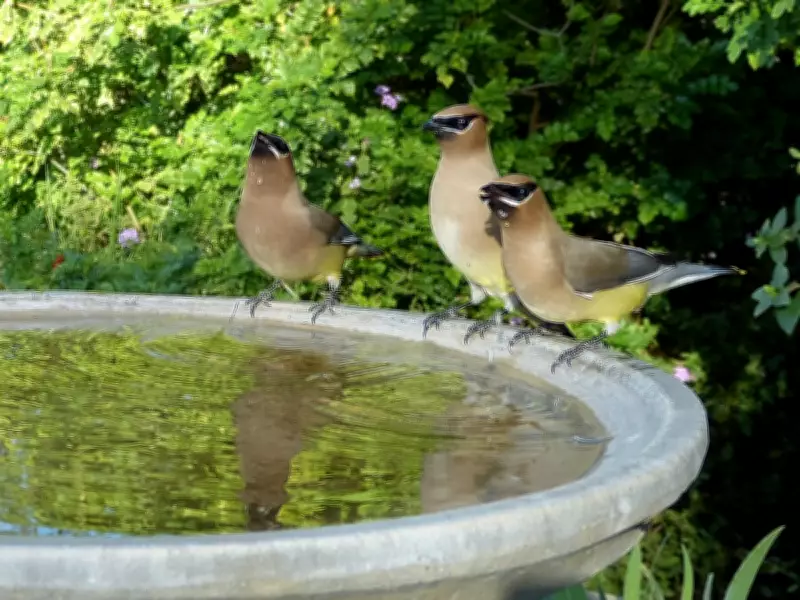
The birdbath is a quiet addition to the look of a backyard. At first, it is only a tiny basin of water, tucked away beside the flowering plants. In the mornings, sparrows flock in to take a sip, bulbs splash about, and your garden suddenly feels more alive than ever before. When the water starts becoming slimy or green, many bird enthusiasts fall into the trap of reaching for bleach or stronger cleaners, without thinking that those items can do more harm than good.
It is a good thing that the process of cleaning a birdbath is simple and does not require expensive or harmful chemical products. Actually, the most secure technique is most likely already inside your kitchen cabinet. Experts in bird biology say that algae within a birdbath can be found particularly in warm temperatures and should not be overlooked. The presence of a dirty water source can deter birds from making visits and can be a factor in the spread of diseases among birds.
Safe Cleaning with Vinegar
In accordance with the Audubon Society's cleaning guidelines, a basic mix of one part white vinegar and nine parts water can be used to remove algae without risking birds' exposure to dangerous chemicals. This technique has been the preferred method for backyard birds since it is effective, cheap, safe, and inexpensive when followed by a proper rinse. The procedure itself is easy: clean the birdbath and apply a spray of water using an outdoor hose, then scrub the area with an abrasive brush and the vinegar solution. After the algae has been removed, wash the basin thoroughly and fill it up with clean water. It is important to ensure there is no residue of vinegar left behind when the birds come back to shower or drink.

What Causes Algae to Appear More Quickly in Summer?
If the birdbath in your backyard keeps changing colour every day, it could be partially to blame. Algae thrive in warm, calm water, especially in baths that are exposed to the sun for many hours at a time. In the summer, even the cleanest birdbaths can quickly turn murky when the water remains untreated. Experts in public health and research have warned for decades about the dangers of stagnant water in outdoor areas because it creates perfect conditions for breeding mosquitoes. The CDC research on where mosquitoes live indicates that mosquitoes lay eggs at tranquil water sources like plants, fountains, or birdbaths. Fresh water often interrupts that cycle, preventing larvae from developing.
It is one of the reasons expert birdwatchers regularly refresh the birdbath's water each day during the summer months, even if it appears fresh. Fresh water does not just keep algae at bay; it also attracts many more birds. Numerous species naturally gravitate to fresh, moving water since it promotes hygiene and protection. It is also about the location. If a birdbath is set under shade, it is usually better than one that sits under the scorching afternoon sun. Shade reduces the growth of algae and also provides birds with a cooler spot to sit during scorching afternoons. Regularly refreshing water and strategic placement in shade also deter mosquitoes and attract more feathered visitors, making consistent upkeep a rewarding practice.
The Most Common Cleaning Error Homeowners Make
If algae is visible, most homeowners are tempted to grab bleach, soap, or other strong disinfectants. Wildlife experts recommend against this practice. Harsh cleaners can remove the natural oils needed by birds for their feathers to remain waterproof and warm. The smallest traces left following cleaning could cause discomfort to birds or even contaminate water. It is for this reason that vinegar is the go-to option for many bird enthusiasts. It is effective in cleaning without the same dangers associated with chemical cleaners.

A different trick that can be helpful is to keep the water flowing. Small solar fountains or drippers can hinder mosquitoes and algae from settling, as well as attract birds. Just a little ripple can enhance the water's freshness. In the end, keeping the birdbath clean is less about being perfect and more about being consistent. Clean water provides birds with an environment where they can drink, cool off, and take care of their feathers. For those who are lucky enough to observe the birds from a kitchen window or a bench in the garden, this small daily task can turn into one of the most enjoyable aspects of the backyard.