

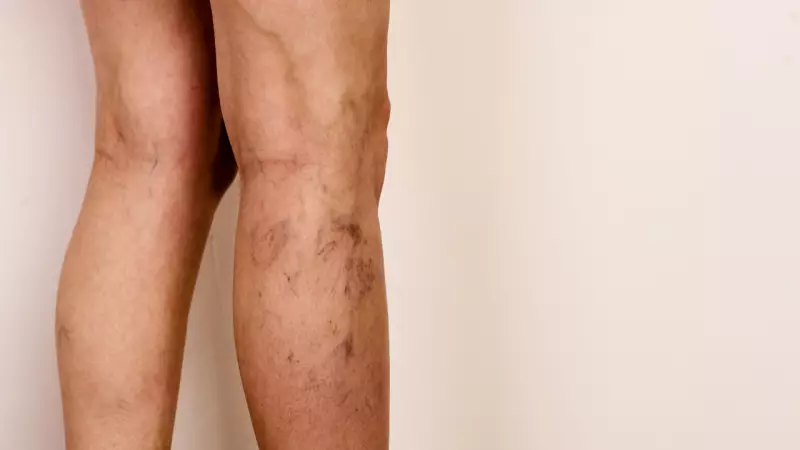
For many, the appearance of twisted, bulging veins on the legs is more than a cosmetic concern. Varicose veins often bring a host of uncomfortable symptoms like pain, swelling, and a persistent heavy, aching feeling. Contrary to some beliefs, this condition is frequently linked to inactivity rather than excessive movement. The good news is that incorporating simple, regular movement into your day can significantly improve circulation and strengthen the calf muscles, which act as a natural pump for blood flow. Drawn from physical therapy principles, these low-impact exercises can offer genuine relief without putting strain on your body.
Targeted Moves for Immediate Relief
These focused exercises are designed to be done at home or work, requiring minimal time but delivering maximum benefit for your leg health.
Calf Raises: This fundamental exercise is a powerhouse for your veins. Stand tall with your feet hip-width apart, using a chair for balance if necessary. Slowly rise onto the balls of your feet, lifting your heels as high as possible. Then, lower them back down gently. Aim for 10 to 15 repetitions, two or three times a day. This motion actively squeezes the calf muscles, helping to push pooled blood back up toward the heart. Consistency is key, with many patients reporting a lighter feeling in their legs after just a week.

Ankle Circles: Perfect for those with sedentary jobs, this exercise can be done almost anywhere. Sit comfortably and extend your legs or keep your feet flat. Rotate one ankle slowly in a clockwise direction 10 times, then repeat counterclockwise. Switch legs and repeat the sequence. This simple movement helps to loosen stiff ankle joints and stimulate blood flow in the lower legs, making it an ideal break during long periods of sitting or while watching television.
Exercises Using Gravity to Your Advantage
When your legs are elevated, you work with gravity to drain excess fluid and reduce pressure in the veins, providing swift comfort.
Leg Raises While Lying Down: Lie flat on your back with one knee bent, foot flat on the floor for support. Keeping the other leg straight, slowly lift it to the height of your opposite hip, hold for five seconds, and then lower it with control. Aim for 10 repetitions per leg. This position allows gravity to assist in reducing fluid buildup, making it particularly effective for combating swelling after a long day of standing or sitting.
Legs Up the Wall Pose: A restorative favorite from yoga, this pose offers deep relief. Sit sideways with one hip close to a wall, then gently swing your legs up onto the wall as you lie back. Rest in this position with your heels against the wall for about 10 minutes, focusing on deep breathing. The elevation efficiently drains blood from the legs, and many find it offers remarkable relief from evening throbbing and discomfort.
Incorporating Full-Body, Low-Impact Activity
Beyond targeted exercises, consistent aerobic activity that avoids jarring impacts is crucial for long-term management of varicose veins and overall circulatory health.
Walking at a Steady Pace: One of the most accessible and effective exercises. Put on comfortable shoes and aim for a brisk 20 to 30-minute walk on most days, choosing flat paths to minimize pressure. Brisk walking activates the entire "leg muscle pump" system, enhancing circulation without stressing your joints. Research indicates that regular walkers often experience reduced pain and even notice their veins appearing less prominent over several months.
Bicycle Legs: An excellent indoor alternative to cycling. Lie on your back with your hands by your sides. Lift your legs and pedal them in the air as if riding a bicycle, keeping your knees bent. Continue for 30 to 60 seconds, rest, and repeat. This motion engages the thighs, calves, and ankles simultaneously, helping to flush out stagnant blood and ease muscular tension—a perfect solution for days when the weather keeps you indoors.

Swimming: Often considered the ideal exercise for vein health. Spend 20 to 30 minutes in the pool, two to three times a week, whether doing laps or marching in the shallow end. The water's buoyancy supports your full body weight, eliminating strain on your veins while the rhythmic movements of your arms and legs powerfully propel blood flow. Regular swimmers frequently report not only less leg fatigue but also improvements in skin texture around the affected areas.
By integrating these simple exercises into your daily routine, you can take proactive steps to manage varicose vein discomfort, improve your leg circulation, and enhance your overall quality of life. Remember to start slowly and consult a healthcare professional if you experience any sudden or severe pain.





