Doctors Debunk Quick-Fix Weight Loss Myths, Stress Holistic Health Approach
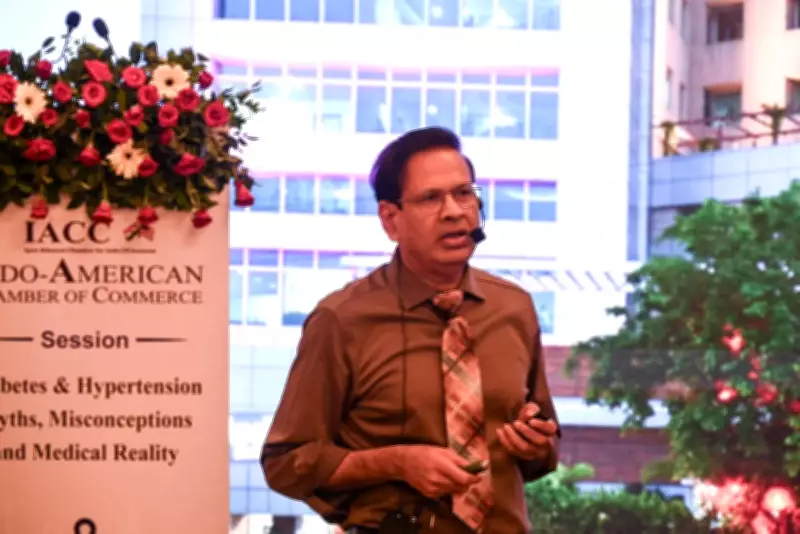
In a recent discussion, medical experts highlighted the complexities of weight management, cautioning against popular quick-fix methods like intermittent fasting and keto diets. The event, organized by the Indo American Chamber of Commerce and coordinated by Mukesh Singh, featured insights from Dr Mayank Somani, Managing Director of Apollo Medics Lucknow, and Dr Lokendra Gupta, an emergency specialist at Medanta.
Myths About Diet and Exercise Exposed
Doctors pointed out that many people believe short-term strategies such as fasting for 24-36 hours or relying solely on daily walks are sufficient for weight control. However, they warned that these approaches can backfire, leading to muscle loss and a slowed metabolism instead of effective fat reduction. Dr Somani and Dr Gupta emphasized that modern lifestyles, characterized by processed foods, irregular eating habits, and reduced physical activity, are major contributors to obesity and metabolic diseases.
They contrasted this with past generations, who consumed traditional foods like roti, rice, and ghee but remained healthier due to higher activity levels, better sleep, and lower stress. The key takeaway is that sustainable health requires more than just dietary tweaks.

The Importance of Comprehensive Exercise
On the topic of exercise, the doctors clarified that walking alone is inadequate, especially after age 30 when muscle mass naturally declines and metabolism slows. Dr Somani recommended incorporating strength training into fitness routines and advised individuals to follow trained fitness experts online, selecting exercises tailored to their body type and abilities.
A balanced diet, proper exercise, and a regular routine are far more effective than short-term methods, they stressed, urging people to adopt a holistic approach to wellness.
Silent Threats: Diabetes and Hypertension
Dr Somani described diabetes as a "silent but progressive" disease, where individuals may feel normal while internal damage continues. He advised maintaining HbA1c levels around 6.5% and undergoing regular check-ups, as diabetes can harm the eyes, kidneys, heart, and nerves. With pre-diabetes cases on the rise, he warned that 25%-35% of people in India could develop diabetes within 3-5 years without proper care, noting that even thin individuals are at risk.
He cautioned patients against stopping medications on their own, explaining, "If sugar is under control, it means treatment is working, not that the disease is gone." A healthy diet, reduced processed food intake, and regular exercise are essential alongside medical treatment.
High blood pressure was also highlighted as another silent disease requiring regular monitoring, reduced salt consumption, and physical activity. While devices like continuous glucose monitors can aid in tracking sugar levels, their high cost remains a barrier for many.
Early Detection and Awareness
Dr Somani stressed the importance of early detection, stating, "Diabetes and hypertension are not the end. They need awareness, discipline, and timely action." He also addressed erectile dysfunction (ED), often overlooked as a personal or age-related issue, which can be an early indicator of diabetes or high blood pressure. ED may signal early blood vessel damage, and ignoring it can lead to complications.
In summary, the doctors advocated for a proactive and informed approach to health, debunking myths and promoting long-term strategies over quick fixes.