

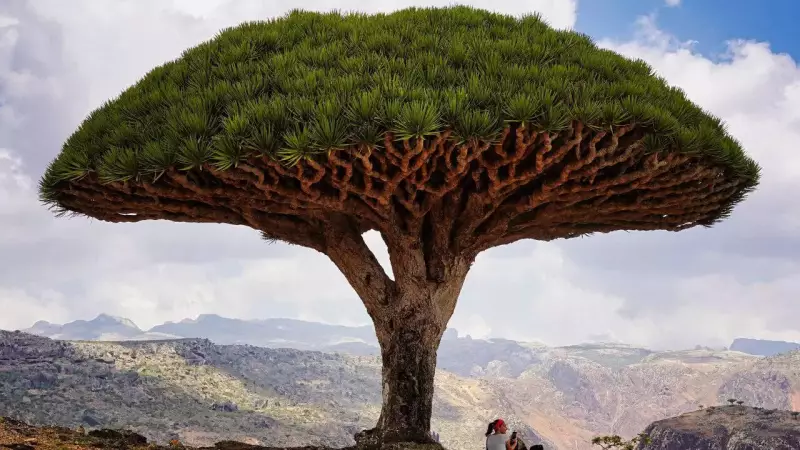
The Enigmatic Dragon Tree: Nature's Bleeding Marvel
First impressions of the Dracaena tree reveal an almost surreal quality - a botanical wonder that appears to bleed bright red when its bark is sliced. This isn't mythological fantasy but a remarkable natural phenomenon found in dragon tree species worldwide. The vivid crimson liquid that flows from these trees has captivated human imagination for centuries, creating a bridge between ancient folklore and modern scientific discovery.
What Exactly Is Dragon's Blood?
Despite its dramatic name, dragon's blood isn't actual blood but a remarkable plant resin with extraordinary properties. When the bark of a Dracaena tree suffers damage, the tree secretes a thick, red resin that solidifies upon contact with air. This natural substance functions much like a biological bandage, creating a protective seal over injured areas. The resin serves as an effective barrier against infections, insects, and harmful microorganisms, demonstrating nature's sophisticated self-repair mechanisms.
The Science Behind the Crimson Color
The distinctive red pigment in dragon's blood results from bioactive compounds within the plant, particularly phenols and flavonoids. A comprehensive scientific study published in Science Direct, titled "Morpho-anatomical basis of dragon's blood secretion in Dracaena draco stem," investigated the chemical properties of this remarkable resin. The research revealed that the resin contains chemicals demonstrating significant antioxidant and antimicrobial activities. These compounds protect the tree against bacteria, fungi, and various environmental stressors. The red coloration essentially signals that the tree has activated its sophisticated chemical defense system.

Medicinal Properties: From Tradition to Science
Traditional medicine has utilized dragon's blood for centuries to treat wounds, inflammation, and various dermatological conditions. Contemporary research is now validating these historical applications through rigorous scientific investigation. A significant study published on PubMed, titled "Dragon's Blood from Dracaena Worldwide: Species, Traditional Uses, Phytochemistry and Pharmacology," examined how plant resins with high phenolic content interact with human tissues. The research concluded that these substances influence inflammation regulation, tissue repair, and antioxidant activity at cellular levels. This explains why dragon's blood effectively treated cuts and wounds historically - not through magical properties but through genuine biological healing mechanisms. Researchers emphasize that while laboratory findings are promising, dragon's blood should complement rather than replace established medical treatments.
Habitat and Survival Adaptations
Dracaena trees thrive in arid, rocky environments where damage from wind, animals, and harsh conditions is common. The most famous variety, Dracaena cinnabari, grows on Yemen's Socotra Island, while other species inhabit regions across Africa and Asia. In these challenging ecosystems, the ability to produce rapid-acting protective resin becomes crucial for survival. Dragon's blood prevents water loss while creating unfavorable conditions for microbial growth, representing an intelligent evolutionary adaptation to extreme environments.
Contemporary Research Directions
Modern scientists continue to study dragon's blood for multiple potential applications:
- Development of natural antimicrobial products
- Advanced anti-inflammatory research
- Plant-based antioxidant formulations
- Validation of traditional medicinal practices
Researchers remain particularly fascinated by how plants like Dracaena create highly effective protective agents that don't harm the host organism. This knowledge could inspire new materials and pharmaceutical developments that mimic nature's elegant solutions.

Mythology Meets Modern Science
While dragon's blood derives its name from ancient myths and legends, it represents far more than folklore. This substance constitutes an advanced plant defense mechanism rich in protective chemicals that safeguard both the tree and potentially human tissues under specific circumstances. The Dracaena tree teaches us that nature's most mysterious phenomena often conceal practical biological processes waiting to be understood through scientific inquiry. This remarkable tree continues to inspire wonder while demonstrating how traditional natural resources can fuel both mythological imagination and rigorous scientific exploration.





