

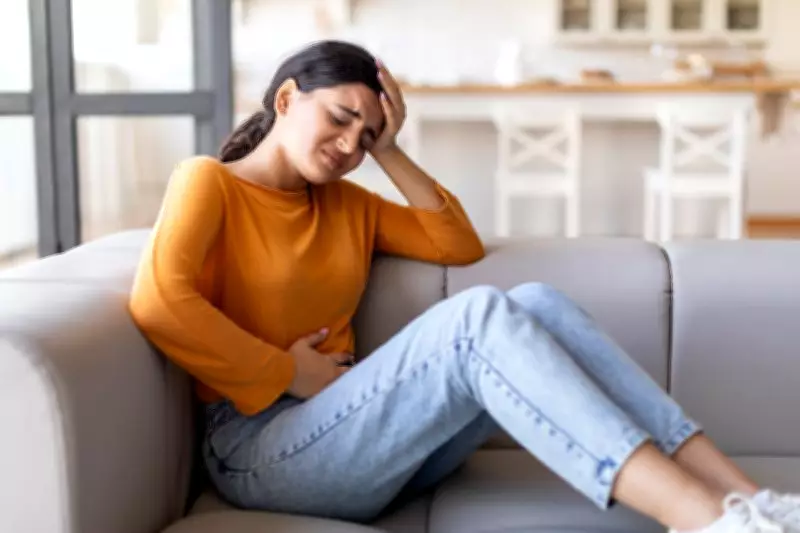
Endometriosis: A Debilitating Condition Impacting Women's Lives
Endometriosis is a severe medical condition that significantly affects a woman's quality of life, though it remains manageable with appropriate treatment. This hormone-dependent disease typically subsides after menopause, offering long-term relief for many sufferers.
Real-Life Cases Highlight the Struggle
Bhavika, a 20-year-old woman, dreaded her monthly periods due to severe pain, heavy bleeding lasting 8-10 days, and irregular cycles. Meanwhile, Kiran, aged 30, experienced chronic pelvic pain and painful periods, struggling to conceive for two years after marriage. Both women were eventually diagnosed with endometriosis, a common yet frequently misunderstood condition affecting approximately 45 million women in India and countless others worldwide.
What Exactly Is Endometriosis?
Endometriosis occurs when tissue similar to the uterine lining, known as the endometrium, begins growing outside the uterus. This abnormal tissue typically appears on ovaries, fallopian tubes, the outer surface of the uterus, or other pelvic organs. During menstrual cycles, this tissue behaves like normal endometrial tissue—thickening, breaking down, and bleeding.

However, because this bleeding occurs outside the uterus, the blood cannot exit the body normally. This leads to inflammation, severe pain, and long-term scarring. Women with endometriosis often face chronic pelvic pain, irregular or heavy bleeding, infertility, and the development of scar tissue and adhesions. In severe cases, the condition profoundly impacts quality of life, social functioning, and emotional well-being.
Recognizing the Symptoms
Symptoms vary widely among women and may not directly correlate with disease severity. Common indicators include:
- Menstrual pain ranging from mild to incapacitating
- Chronic non-menstrual pelvic pain
- Pain during or after sexual intercourse
- Painful bowel movements and urination
- Heavy and/or irregular menstrual bleeding
- Fatigue, depression, anxiety, abdominal bloating, and nausea
- Infertility or difficulty conceiving
Causes and Risk Factors
The exact cause of endometriosis remains unknown, though retrograde menstruation—reverse flow of menstrual blood through fallopian tubes—is the most common theory. During this process, tissue from menstrual blood implants on organs outside the uterus and begins growing. Estrogen during puberty can transform embryonic cells into endometrial-like tissue, while surgical procedures like hysterectomy or C-section may cause endometrial cells to attach to incision sites. A compromised immune system might fail to recognize and destroy this abnormal tissue.
Genetic factors, altered immune responses, and environmental influences may contribute to this abnormal bodily reaction. Delayed childbearing shows an important relationship with incidence rates. Contrary to popular belief, hormonal contraceptives actually play a protective role against disease development and progression.
Who Is Most at Risk?
Endometriosis primarily affects women during their reproductive years, with apparent increases in both incidence and severity. Experts note rising cases among women aged 20-40. Since the disease is hormone-dependent, symptoms typically subside after menopause.
Diagnosis and Treatment Approaches
While accurate diagnosis previously required laparoscopy, modern imaging techniques like transvaginal ultrasound and MRI can now reliably diagnose endometriosis and estimate disease extent. Treatment typically involves medication and surgery, depending on condition severity, though international norms recommend surgery only for severe cases.
In Bhavika's case, doctors recommended oral contraceptives, additional medications, and lifestyle changes including healthy diet, regular exercise, and weight management to control symptoms. Kiran received medication to manage symptoms while attempting natural conception for several months. Many women with endometriosis can conceive naturally after treatment, though IVF becomes necessary in extreme situations.

Understanding Recurrence Chances
Endometriosis persists as long as menstrual cycles continue, since it's hormone-dependent. Treatments that stop menstruation or regulate hormones can suppress the disease, which doesn't progress after menopause. Symptoms significantly diminish during pregnancy or menstruation-suppressing treatments. Even surgery isn't curative, as endometriosis can recur post-operation. Fortunately, this growth is non-cancerous, and in some women, it may remain stable or regress spontaneously.
Available Treatment Options
While no cure exists, symptom management can significantly improve quality of life. Treatment depends on objectives—whether managing painful periods or addressing fertility issues. After treatment, many women conceive naturally, with reproductive assistance like IVF reserved for extreme cases.
Pain Management: Common painkillers during menstruation suffice for most cases. For more severe situations, gynecologists may recommend oral contraceptive pills that provide pain relief, prevent progression, and offer contraceptive protection. Additional effective options include dienogest and elagolix for severe pain relief.
Surgical Intervention: Surgery should be reserved for severe pain cases and performed by experienced gynecological surgeons, as repeated procedures can be problematic. All surgeries potentially decrease ovarian reserve of fertile eggs, which endometriosis already compromises.
Increasing Awareness and Hope
As endometriosis cases rise, awareness must grow that treatment enables affected women to live pain-free lives and experience motherhood. Maintaining a healthy, anti-inflammatory diet, exercising 5-6 times weekly, staying hydrated, and avoiding weight gain are crucial lifestyle recommendations.
With proper management, women suffering from endometriosis can achieve significant improvements in their daily lives and reproductive health.





