

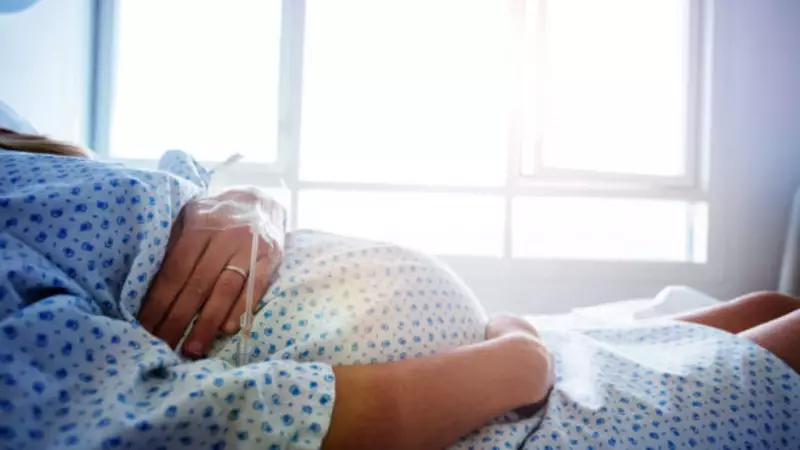
For countless women, menstrual discomfort is often dismissed as something to simply endure or "tough out." However, for those grappling with endometriosis, the experience is profoundly different and far more severe. Endometriosis occurs when tissue resembling the uterine lining grows outside the uterus, defying the typical menstrual cycle's patterns.
The Debilitating Reality of Endometriosis
The pain associated with endometriosis is relentless and intense. It manifests as deep, cramping sensations that surpass ordinary menstrual discomfort, accompanied by stabbing back pain, persistent nausea, and overwhelming fatigue that can render even minor daily tasks exhausting. Yet, the impact extends well beyond physical suffering.
Life Disrupted and Mental Health Toll
Jobs, social engagements, and simple plans with loved ones are frequently derailed when pain strikes unpredictably. For many women, endometriosis presents significant challenges in conceiving a child. Others face constant pain, bloating, and heavy bleeding that gradually erode mental well-being, leading to anxiety, irritability, and depression.

Compounding the issue, symptoms often overlap with typical menstrual discomfort or other conditions, resulting in years-long delays in obtaining an accurate diagnosis. Many women find themselves navigating a frustrating cycle of doctor visits, only to be told their suffering is "just stress" or "normal period pain." This diagnostic delay exacerbates the condition, making effective management increasingly difficult.
Why Awareness Remains Alarmingly Low
Cultural taboos surrounding open discussions about periods, pain, and reproductive health play a significant role. In numerous communities, women are conditioned to downplay their symptoms, believing they must silently endure. Even within the medical field, endometriosis has historically lacked the prioritization afforded to other ailments.
Although research is expanding, endometriosis remains inadequately represented in public health dialogues. Consequently, many women navigate this condition in isolation, feeling alone and sometimes doubting their own experiences.
A Revealing Case Study from Delhi
Dr. Nikita Trehan, a Gynecologist and Laparoscopic Surgeon with over two decades of expertise in Gynae Endoscopy and Minimally Invasive Gynaecology at Sunrise Hospital, Delhi, shared a poignant case study with TOI Health.
"A 28-year-old woman was referred to me from Khatima, Uttarakhand. Married for ten years, she struggled with infertility while enduring severe pain during menstruation, intercourse, and bowel or urinary movements. She could only pass liquid stool, suffering from a condition diagnosed as endometriosis," Dr. Trehan explained.
Years of Misery and Surgical Intervention
The patient had been on multiple medications for eight years without relief. Her pain was so acute that it required intravenous painkillers, preventing her from working or performing daily activities.
"Endometriosis prevalence has surged among young women due to environmental toxins like endocrine-disrupting chemicals (EDCs) from plastics and plasticizers. This patient underwent comprehensive investigation via MRI and DTPA scans, revealing endometriosis invading her intestine," Dr. Trehan detailed. "A nine-centimeter intestinal segment was excised and reconnected laparoscopically. Additionally, both ureters were involved; while freed, her right kidney had already failed from endometriosis and was removed by a urologist. Bladder endometriosis was also excised and repaired."
Since the procedure was performed via keyhole surgery (laparoscopy), the patient recovered within three days and returned home.
A New Lease on Life
"Fourteen months post-surgery, the patient is healthy, pain-free, and medication-free. She describes feeling 'liberated' from endometriosis's nightmare. Most remarkably, she is now four months pregnant, making this case especially heartfelt. Liberating a patient from entangled endometriosis has granted her a new life. My only regret is that earlier intervention might have saved her right kidney," Dr. Trehan reflected.

Environmental Toxins: A Key Culprit
Dr. Nikita Trehan emphasizes that endometriosis is a chronic, recurrent condition whose prevalence is rising globally due to environmental toxins, increasingly affecting young women of reproductive age. She outlines critical points for public awareness:
- Avoid Medical Gaslighting: Young women are often told by peers and family that severe menstrual pain is normal, leading them to question their reactions. This is incorrect; while externally they may appear fine, endometriosis pain can be debilitating and, if neglected, damage vital organs like kidneys, intestines, and ovaries.
- Minimize Plastic Exposure: Every effort should be made to avoid plastics containing EDCs, such as plastic water bottles and food containers. Dioxin-free sanitary napkins are recommended.
- Prevent Repeated Surgeries: Endometriosis should only be operated on at centers of excellence using minimally invasive techniques to ensure complete disease removal. Patients must thoroughly vet their medical team, including urologists, gastrointestinal specialists, and gynecological laparoscopic surgeons, to avoid incomplete procedures.
The Path Forward: Beyond Mere Awareness
Awareness transcends simply knowing the term "endometriosis." It involves recognizing abnormal pain, seeking help without shame, and ensuring doctors listen and investigate thoroughly. It means understanding that living with this condition does not signify weakness or exaggeration.
Gradually, conversations are emerging through online forums, support groups, and social media stories where women share authentic experiences. Nevertheless, considerable progress is needed before most women feel seen, heard, and taken seriously regarding endometriosis.





