

The Hidden Dangers of Using Expired Antiseptics on Wounds
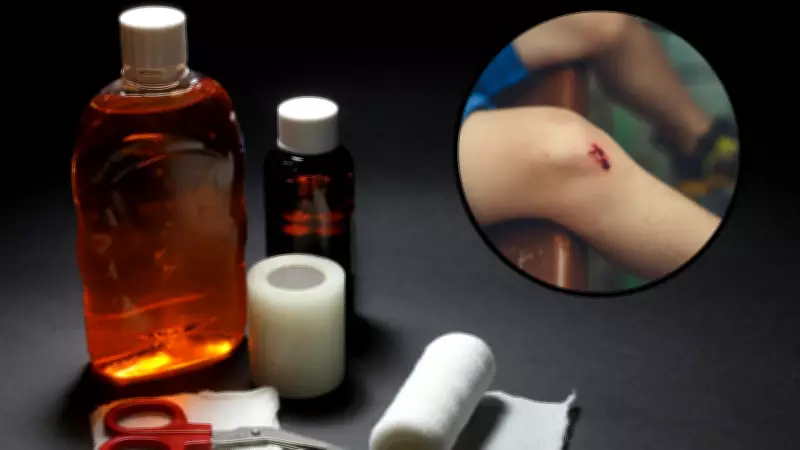
Expired antiseptics may lose their effectiveness in killing bacteria, significantly increasing the risk of infection and delaying the wound healing process. Many people overlook the expiry dates of antiseptics, assuming they remain safe for external use, but medical experts emphasize that this practice can quietly undermine proper wound care.
Why Expired Antiseptics Fail to Protect
Dr. Swetha Sridhar, Medical Director at Dr. Swetha’s Skin Sutra Clinic, explains, "Yes, an antiseptic can lose its effectiveness over time because the active ingredients may degrade. This means it may not kill bacteria and other microorganisms as intended. In some cases, chemical changes in the solution can also irritate the skin or wound." Manufacturers set expiry dates to guarantee potency, sterility, and effectiveness, as active chemicals degrade over time, reducing antimicrobial activity.
Impact on Healing and Infection Risks
When an antiseptic no longer provides adequate antimicrobial protection, bacteria can multiply in the wound, elevating infection risks. Dr. Swetha adds, "Certain degraded formulations may irritate healthy tissue, which can delay the natural wound-healing process." While expired antiseptics are unlikely to cause direct harm, their reduced effectiveness creates a false sense of security, allowing bacteria to persist and increasing the likelihood of complications.

Specific Antiseptics and Their Risks
Antiseptics containing iodine, hydrogen peroxide, or chlorhexidine may become unstable or less reliable after expiry. Dr. Swetha cautions that they are unsafe for proper wound care, especially for deep cuts, burns, or surgical wounds. Dr. Kriti Maheshwari, Associate Consultant in Dermatology at Yashoda Medicity, notes, "Alcohol-based liquid antiseptics lose potency faster because of evaporation." She advises against comparing them to oral medicines, as research on expired antibiotics does not apply to topical antiseptics.
Steps to Take If You've Used an Expired Antiseptic
If someone has applied an expired antiseptic, doctors recommend immediate action:
- Clean the wound gently with clean running water and mild soap, if appropriate.
- Treat it with a fresh, in-date antiseptic.
- Monitor for signs of infection, such as redness, swelling, warmth, pain, pus, or fever.
- Seek medical attention promptly if symptoms appear or if the wound is large, deep, or not healing.
Conclusion: Prioritize Freshness for Effective Care
While using an expired antiseptic may not cause immediate harm, it compromises effective wound care. For preventing infection and supporting healing, freshness is crucial. Always consult a health practitioner before starting any routine.






