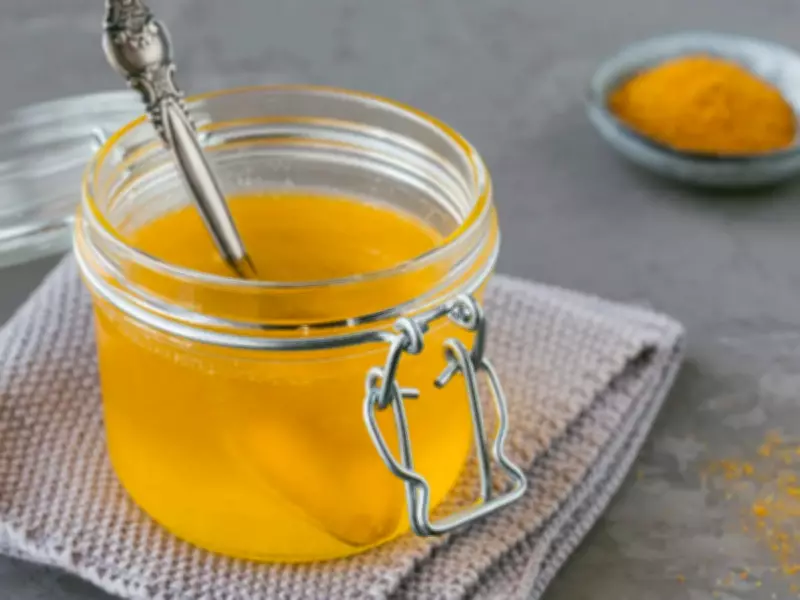
As conversations around seasonal eating evolve, ghee is increasingly being viewed not as a winter-only staple but as a balanced addition to diets throughout the year, including during summer.
According to Arvind Patel, MD, Bharat Vedica – A Patel Venture, traditional dietary wisdom never advised completely avoiding ghee in warmer months, but rather consuming it mindfully and in moderation. “Pure cow ghee has long been valued in Ayurveda for its natural cooling properties and its ability to support digestion, even during peak summer when body heat tends to increase,” said Patel. He added that modern consumers are now rediscovering the role of ghee as part of a more intuitive and seasonal approach to nutrition.
Patel noted that awareness around A2 Gir cow ghee has also grown significantly in recent years. “Prepared using traditional bilona methods from indigenous breeds, A2 Gir cow ghee is often considered lighter and easier to digest, making it suitable even for summer-friendly diets,” he explained. Rather than eliminating fats altogether, consumers are now focusing on balance. Smaller quantities of ghee paired with millets, rice or seasonal vegetables are believed to aid nutrient absorption and support gut health without creating heaviness.

Patel pointed out that components such as butyric acid and fat-soluble vitamins make ghee functionally beneficial rather than merely indulgent. “The conversation today is no longer about avoiding ghee in summer,” Patel said. “It is about using it intelligently, in ways that align with both the season and the body’s natural needs.”