

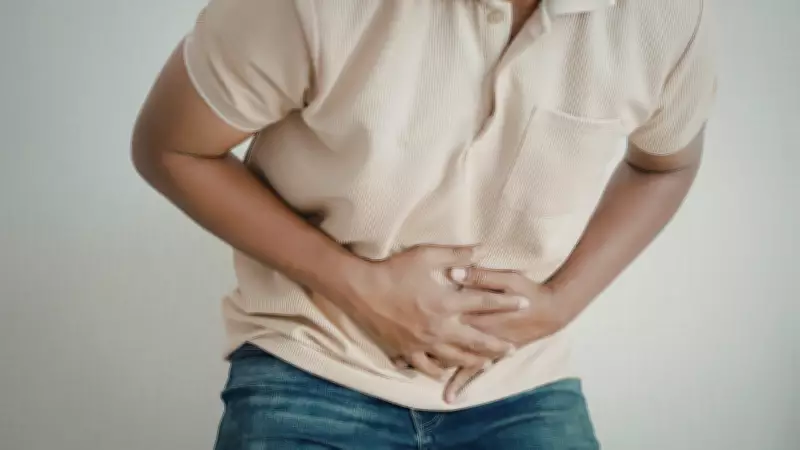
Gut Ageing Accelerates: The Silent Organ Shaping Your Health
The gut often remains overshadowed by organs like the heart or brain, yet it plays a pivotal role in digestion, immunity, metabolism, and even mood regulation. Emerging research indicates that the gut may age more rapidly than the rest of the body when daily habits disrupt its delicate balance. This phenomenon, known as gut ageing, is driven by factors that compromise the microbiome—the trillions of microbes residing in our intestines.
Why the Gut Ages Faster Than the Body
Ageing extends beyond visible signs such as wrinkles; it deeply affects internal organs. The gut lining regenerates every few days, but chronic stress and poor habits can slow this repair process. When harmful bacteria dominate, the gut barrier weakens, leading to increased intestinal permeability, often termed "leaky gut." This condition allows toxins and bacterial byproducts to enter the bloodstream, triggering inflammation that can impact immunity, metabolism, and brain health over time.
A report from the National Institute on Aging in the US links changes in gut microbes to ageing, inflammation, and chronic diseases. Thus, the gut serves as a mirror reflecting the consequences of daily lifestyle choices.

Modern Diets: A Slow Assault on Gut Health
Over recent decades, traditional fibre-rich diets have been replaced by ultra-processed foods high in additives, sugars, and unhealthy fats. Dr Prasanna K S, Consultant – Medical Gastroenterology at Manipal Hospital Old Airport Road, explains how these dietary shifts harm the gut. "We silently invite bad habits into our daily lives, such as consuming fast foods, preservatives, emulsifiers, fried items, high-calorie meals, excessive spices, sugar, and salt. These disrupt the gut barrier, causing leakage of harmful bacterial products into the bloodstream, which can lead to various diseases," he states.
Fibre is essential for feeding beneficial gut bacteria, but its absence in modern diets reduces microbial diversity, making the gut ecosystem fragile and prone to dysfunction.
How Dietary Patterns Reshape Gut Bacteria
Food not only nourishes the body but also the microbes in the intestine. Dr Prasanna highlights the decline in fresh vegetables, fruits, and traditional staples, coupled with increased consumption of processed red meats. "Such diets encourage harmful bacteria growth in the colon, creating an environment that may promote tumour development and raise colorectal disease risks," he notes. The US National Cancer Institute supports this, linking processed meat to higher colorectal cancer risks. Essentially, the gut's health is a direct reflection of dietary habits.
Lifestyle Factors: Stress, Sleep, and Sedentary Habits
Beyond diet, modern lifestyle elements significantly affect gut health. Dr Prasanna points to chronic stress, inadequate sleep, junk food consumption, sedentary behavior, smoking, and excessive alcohol as contributors to gut issues like bloating and ulcers. Stress hormones alter gut motility and bacterial balance, while poor sleep disrupts digestive hormones, explaining why anxiety often manifests as stomach discomfort.
Medications That Disrupt Gut Bacteria
While necessary, medications can inadvertently harm the microbiome. Dr Prasanna warns against excessive use of non-prescribed painkillers, antibiotics, and antiseptics. "These can change the health of good bacteria, leading to microbial imbalance," he explains. Antibiotics, for instance, may wipe out beneficial microbes along with harmful ones, and NSAIDs can irritate the intestinal lining. A review by the US National Library of Medicine confirms that antibiotics can alter gut diversity for months, weakening the protective barrier.
Expert-Recommended Ways to Reverse Gut Damage
Repairing the gut does not require extreme measures; instead, experts advocate for simple, sustainable habits that support microbial diversity. Dr Prasanna emphasizes the importance of correcting bad habits to prevent chronic diseases and cancerous conditions. Key recommendations include:

- Consume fibre-rich foods like whole grains, fruits, vegetables, and lentils.
- Incorporate fermented foods such as yogurt, buttermilk, or traditional pickles.
- Reduce intake of ultra-processed foods and added sugars.
- Aim for 7-8 hours of sleep nightly.
- Engage in daily physical activity.
- Avoid unnecessary antibiotics and self-medication.
The gut ecosystem can respond positively to these changes within weeks, showcasing its adaptability.
Conclusion: The Gut's Remarkable Resilience
Although the gut may age faster due to detrimental habits, it possesses a remarkable capacity for recovery. By adopting healthier lifestyle choices, individuals can reverse damage and enhance overall well-being. As Dr Prasanna advises, proactive measures are crucial for maintaining optimal gut health and preventing long-term complications.





