

Health Myths Debunked: Why Detox Diets and Quick Fixes Persist Despite Risks
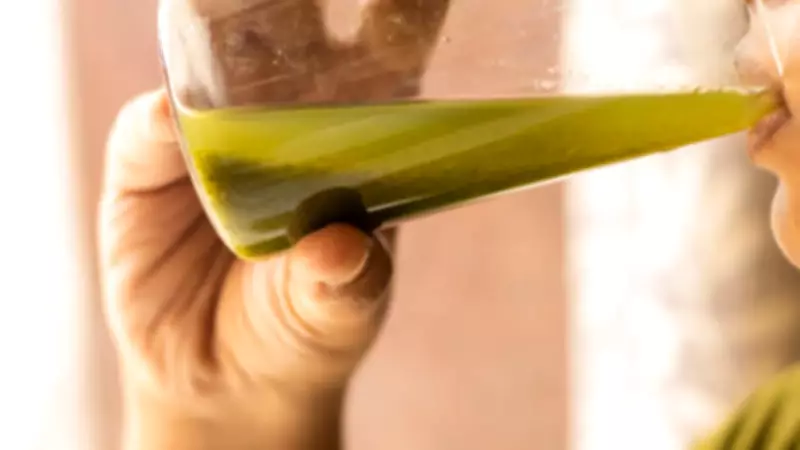
We have all encountered them. Drink this detox juice, and your body will supposedly "cleanse." Skip meals for a few days, and you will reset your system. Eliminate entire food groups, and you will feel instantly better. Even if a part of you questions it, there is always that tiny voice wondering, what if it actually works? That is precisely how these health myths manage to stick around.
The problem lies in their simplicity. In a world where real health advice is often complex, it is much easier to believe in a quick fix than to accept that your body already has efficient systems, like the liver and kidneys, quietly performing the hard work every single day. Add to that the constant flood of social media posts, influencer tips, and compelling "before-after" stories, and it becomes increasingly difficult to distinguish what is real from what is merely convincing.
The Real Impact of Health Misconceptions
Most people are not being careless; they are genuinely trying to feel better, lose weight, or take control of their health. However, over time, following these myths can do more than just waste money. They can delay proper medical treatment, disrupt your nutrition, and create unrealistic expectations that your body simply cannot meet.

So, the question is not why people believe them, but why we keep hearing them, even when we know better. TOI Health connected with Dr. Pranathi Kesara, Director of Preventive Health at Arete Hospitals, and Dr. Sumana Y, Consultant in the Department of Wellness at Gleneagles BGS Hospital in Kengeri, Bengaluru, to discuss why health-related myths persist and the damage they actually cause.
Common Myths That Refuse to Disappear
Dr. Pranathi Kesara highlighted one pervasive myth: "One I hear constantly is that 'detox' diets or cleanses can flush toxins from your body. People genuinely believe that drinking special juices or doing extreme fasting will rid their system of built-up chemicals. In reality, your liver and kidneys are doing that job all the time. No juice, tea, or supplement can replace those organs."
Why Do These Myths Persist?
Dr. Kesara explained, "These myths stick around because they are easy to understand and sound appealing, like a quick fix. The truth is usually more complicated and not as easy to follow in daily life. On top of that, we keep seeing the same messages on social media and in ads, so it is no wonder people hold onto them. Even well-educated patients can fall for them because they 'feel right' or are reinforced by friends and family."
The Damage Caused by Health Misconceptions
Regarding the harm, Dr. Kesara noted, "How dangerous a myth really depends on which one it is. Skipping vaccines or delaying treatment for ongoing health problems can be serious. Other myths, like doing detox diets, usually are not dangerous right away, but they end up costing you time and money, mess with your nutrition, and set up unrealistic expectations about health. Over time, if you keep believing these myths instead of following real medical advice, it can prevent you from getting the care that actually helps."
Are There Harmless Myths?
Dr. Sumana Y addressed this: "Yes, there could be some myths which would not harm health significantly. However, it is good to clarify regarding it from a qualified health professional."
How to Identify Reliable Health Information
Dr. Sumana Y advised, "Differentiating myths from facts or false and true information would require a discussion with a qualified health professional or subject expert. Without backing of sound knowledge in that particular domain, people would not be able to differentiate and discriminate the accuracy of the information. With a lot of information being shared in social media by influencers, it is really important to check the reliability, accuracy, and the correctness of the information before practising or adopting anything. It is a good practice to discuss, clarify, and seek answers from qualified, trusted health experts."

Expert Inputs
This article includes expert inputs shared with TOI Health by Dr. Pranathi Kesara, Director of Preventive Health at Arete Hospitals, and Dr. Sumana Y, Consultant in the Department of Wellness at Gleneagles BGS Hospital, Kengeri, Bengaluru. The inputs were used to explain why health-related myths stick around and what damages are caused when people blindly follow them in daily life.





