

Heart Fitness: What Your Daily Walk Isn't Telling You
A morning walk often appears as the simplest and most accessible health habit. You put on your shoes, count your steps, and track calories burned, believing you are doing your heart a favor. However, a recent social media post by Dr. Ravindra L. Kulkarni, a senior cardiologist with over 25 years of experience, challenges this conventional wisdom, revealing that outward effort does not always reflect inner health.
The Two Walkers: Same Effort, Different Heart Stories
In his insightful post, Dr. Kulkarni describes a compelling everyday scenario involving two women who went for walks. One woman, referred to as IRA, walked briskly for 30 minutes. Her heart rate peaked at 130 beats per minute and dropped to 120 after one minute of rest. The other woman, ORA, walked for only 20 minutes but achieved the same peak heart rate of 130. Crucially, her heart rate plummeted to 95 beats per minute within just one minute of stopping.
At first glance, IRA seems more disciplined and committed, with a longer duration and apparent greater effort. Yet, ORA's body demonstrated a superior ability to calm down rapidly post-exercise. This quick drop in heart rate is not a minor detail; it serves as a powerful signal of cardiovascular efficiency and resilience.

Why Recovery Heart Rate Matters More Than You Think
Dr. Kulkarni emphasizes that the speed at which your heart rate returns to normal after physical activity is a critical, often overlooked, indicator of heart health. A faster recovery suggests a stronger, more adaptable cardiovascular system, capable of handling stress and reducing the risk of heart-related issues. In contrast, a slower recovery might indicate underlying problems, even if the exercise session seems vigorous or lengthy.
This insight flips the common focus from mere duration or intensity of walks to the body's response and recovery. It underscores that what shows on the outside—such as step counts or workout length—is not always what truly matters inside. Monitoring heart rate recovery can provide a more accurate picture of your fitness level and potential health risks.
Practical Takeaways for Your Fitness Routine
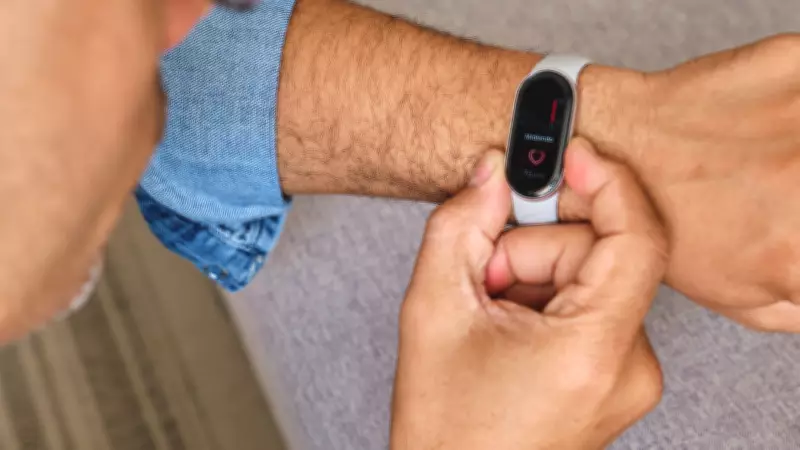
To apply this knowledge, consider incorporating heart rate monitoring into your walks. Use a fitness tracker or smartwatch to observe not just your peak heart rate during exercise, but how quickly it declines afterward. Aim for a drop of at least 12 beats per minute in the first minute post-activity as a general benchmark of good heart health.
Additionally, diversify your routine with activities that boost cardiovascular endurance, such as interval training or yoga, which can enhance recovery rates. Remember, consistency in moderate exercise often yields better long-term heart benefits than sporadic intense workouts.
Dr. Kulkarni's example serves as a vital reminder: in the pursuit of heart fitness, it is the hidden signals, like recovery heart rate, that often tell the most important story. Paying attention to these details can lead to more informed health decisions and a stronger heart over time.






