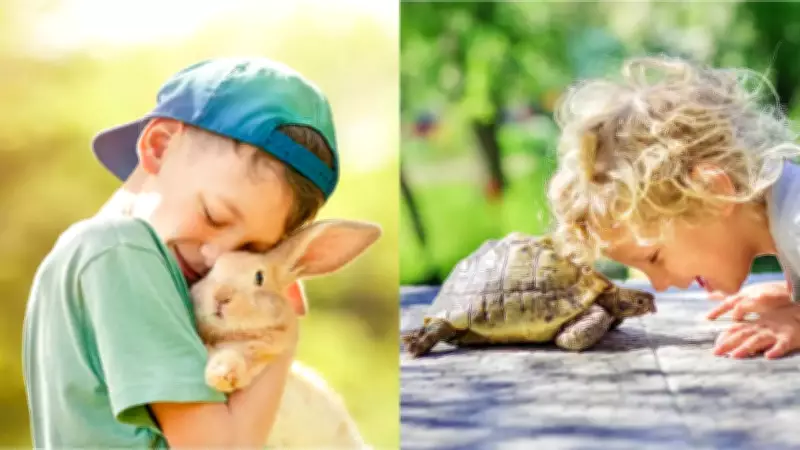
Pets as Powerful Developmental Tools for Children
Animal companions provide remarkable benefits for young minds, with scientific research confirming their positive impact on emotional health and learning. A comprehensive 2026 study published in Frontiers in Psychology reveals that companion animals are linked to measurable improvements in children's emotional wellbeing, including reduced anxiety levels and enhanced feelings of social support.
Beyond Companionship: Building Essential Life Skills
Children who grow up with pets experience advantages that extend far beyond simple friendship. These relationships foster emotional resilience and help develop crucial life competencies. The specific type of pet and the age at which children begin caring for them significantly influence which skills they cultivate, ranging from empathy and patience during early childhood to responsibility and problem-solving abilities as they mature.
Research published in Anthrozoös during 2026 demonstrated that children who actively participate in pet care exhibit higher levels of empathy, prosocial behavior, and responsibility compared to their peers without pets. This evidence strongly supports the concept that different animals help build distinct developmental skills, emphasizing that active involvement in animal care, rather than mere ownership, drives these valuable benefits.

The Home Environment's Crucial Role
The domestic setting plays a more substantial role in learning than many parents recognize, with family pets serving as exceptional educational resources. However, experts caution that pet ownership represents a serious long-term commitment requiring careful consideration.
David Smith, CEO of LA-based Silicon Valley High School, emphasized this point in an interview with the Times of India: "Pets demand consistent care and dedication. Younger children especially require parental involvement and supervision to ensure both the child and animal remain happy and properly cared for."
Optimal Pets for Each Developmental Stage
Ages 3–5: Fish as First Companions
For toddlers and preschoolers, aquarium fish provide the perfect introductory pet experience. At this developmental stage, children are beginning to comprehend that the world extends beyond themselves, and caring for fish offers a gentle, low-pressure introduction to this concept.
"Observing fish and assisting with feeding establishes simple routines for young children," explained Smith. "This teaches them that another living creature depends on their care, representing a significant concept for three or four-year-olds to understand. This early sense of responsibility serves as a foundational building block for numerous other skills."
Aquatic environments naturally stimulate curiosity through color, movement, and patterns, encouraging observational skills and early scientific thinking in preschool-aged children.
Ages 6–8: Guinea Pigs or Hamsters
During early elementary school years, children become ready for more interactive pets. Small mammals like guinea pigs or hamsters provide manageable, gentle companions for young hands while requiring sufficient daily care to teach commitment.
"Children at this age comprehend cause and effect relationships," Smith elaborated. "When they neglect cage cleaning duties, they witness the direct consequences. This connection between action and outcome represents something educators strive to teach in classrooms, but pets make this lesson tangible and immediate."
Caring for small mammals builds empathy as children learn to interpret animal body language and respond to their needs, encouraging consideration beyond personal desires—a skill that directly translates to human relationships.
Ages 9–11: Birds or Reptiles
The upper elementary years present an ideal time to introduce pets requiring more research and specialized understanding. Birds such as budgies or cockatiels, along with beginner-friendly reptiles like leopard geckos, serve as excellent choices. Both categories require children to learn about specific habitats, dietary requirements, and behavioral patterns before and during ownership.

"Children at this developmental stage can begin taking ownership of the research aspect of pet care," noted Smith. "Investigating what geckos eat, what temperatures they require, and how to handle them safely mirrors the independent learning processes we encourage in educational settings."
Birds particularly support language and communication development, as many species respond to vocal interaction, providing children with unique motivation to practice verbal communication skills.
Ages 12–14: Cats as Emotional Companions
Middle schoolers navigate increasingly complex emotional landscapes, making cats ideal companions during this transitional period. Unlike pets for younger children, cats possess distinct personalities and boundaries, teaching preteens valuable lessons about respecting others' needs and emotional states.
"Cats don't perform on demand," Smith observed. "They approach when they desire interaction and clearly communicate when they prefer solitude. For twelve or thirteen-year-olds learning to manage relationships and social dynamics, this represents an exceptionally healthy interaction pattern."
Cats provide emotional grounding through physical interaction, with research demonstrating that stroking felines can lower cortisol levels and reduce anxiety—particularly valuable for children confronting middle school pressures.
A 2026 Journal of Applied Developmental Psychology study established that animal interactions correlate with improved attention, reduced stress biomarkers, and enhanced learning engagement in children. Reduced stress and improved focus directly enhance a child's capacity to engage, learn, and develop cognitive abilities.
Ages 15+: Dogs as Responsibility Teachers
Teenagers become prepared for the most demanding yet rewarding pet experience. Dogs require daily walks, consistent training, regular feeding schedules, and emotional attention. For adolescents, assuming meaningful responsibility for canine care provides preparation for adult life.
"Dogs don't permit excuses," Smith emphasized. "They require walking regardless of your mood, teaching discipline and follow-through. The reciprocal bond developed represents something truly unique. Teenagers who care for dogs cultivate a strong sense of purpose."
Canine companions encourage outdoor activity and physical exercise, supporting mental health and concentration during academically demanding periods.
The Natural Classroom at Home
Pets serve as remarkably effective educational tools that never feel like traditional learning. "When children feed their fish each morning, research their gecko's health requirements, or walk the dog before school, they're developing habits and skills that worksheets cannot replicate," Smith elaborated. "Responsibility, empathy, patience, and curiosity represent qualities that shape exceptional learners and individuals, and pets possess a unique capacity to draw these attributes out naturally."
This hands-on, emotionally engaged experience proves incredibly powerful within home environments. Educational settings and domestic spaces can collaborate effectively, and sometimes the most impactful teacher in the household possesses four legs rather than a teaching degree.