

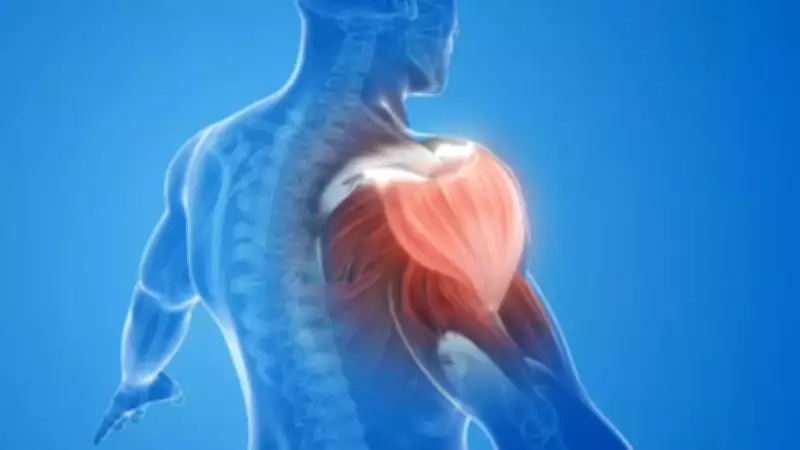
India's Medical Community Issues Urgent Warning on Age-Related Muscle Loss
NEW DELHI: Medical professionals across India are raising urgent concerns about a frequently overlooked condition that threatens to undermine the mobility and independence of millions of elderly citizens: sarcopenia, the progressive loss of muscle mass associated with aging. To address this growing health challenge, the Geriatric Society of India has officially launched the nation's inaugural "Indian Guidelines for the Evaluation and Management of Sarcopenia."
Understanding the Silent Threat: What Is Sarcopenia?
Sarcopenia, derived from Greek words meaning "loss of flesh," describes the gradual deterioration of muscle mass, strength, and physical function that occurs naturally with advancing age. Medical experts emphasize that this condition often goes undiagnosed but carries severe consequences, including elevated risks of bone fractures, increased hospitalization rates, and even higher mortality among affected individuals.
The timing of these guidelines is particularly critical as India undergoes rapid demographic transformation. Projections indicate that by 2050, approximately 319 million Indians will be aged 60 years or older, representing more than one-fifth of the total population. Healthcare specialists warn that without proactive intervention, sarcopenia could evolve into a significant public health crisis, straining medical resources and diminishing quality of life for seniors nationwide.

Scope and Impact of the Condition
Research studies reveal that sarcopenia currently affects between 8% and 18% of older adults residing in community settings. However, this prevalence escalates dramatically to 25–40% among elderly patients receiving hospital care. Individuals managing chronic conditions such as diabetes face particularly heightened vulnerability to accelerated muscle deterioration.
Dr. O.P. Sharma, the lead architect of the new guidelines, underscored the fundamental importance of muscular health for successful aging. "Muscle strength is intrinsically linked to personal dignity. Early identification and intervention are paramount for preserving independence," he stated. Dr. Sharma highlighted that sedentary behaviors, inadequate nutritional intake, and persistent chronic illnesses are exacerbating muscle loss among India's senior population.
Key Recommendations from the National Guidelines
The comprehensive guidelines, developed through collaboration among specialists in geriatric medicine, orthopedics, endocrinology, physiotherapy, and nutrition, provide healthcare practitioners with practical tools for early detection and management. Physicians are advised to monitor for specific warning indicators including:
- Diminished grip strength
- Reduced walking speed
- Difficulty rising from seated positions without assistance
Screening instruments such as the SARC-F questionnaire are recommended for identifying at-risk individuals, particularly within primary healthcare environments where early intervention can be most effective.
Prevention and Management Strategies
Medical authorities emphasize that sarcopenia is frequently preventable or manageable through straightforward lifestyle modifications. The guidelines outline several evidence-based recommendations:
- Regular Strength Training: Engaging in resistance exercises two to three times weekly to maintain muscle mass
- Adequate Protein Consumption: Ensuring sufficient dietary protein intake to support muscle repair and growth
- Vitamin D Optimization: Addressing common deficiencies that impair muscular function
For vegetarian populations, healthcare providers specifically recommend incorporating protein-rich foods such as lentils (dal), paneer, soy products, and various pulses into daily dietary patterns.
Expert Perspectives on India's Muscle Health Crisis
Dr. Raju Vaishya of Indraprastha Apollo Hospitals expressed concern about widespread lack of awareness regarding muscular health. "India can be characterized as a sarcopenic nation," he observed, citing poor nutritional habits, physical inactivity, and demographic aging as primary contributing factors.

Dr. Randeep Guleria highlighted the guidelines' practical significance, noting they "effectively bridge scientific knowledge with clinical wisdom, making sarcopenia recognition and management an integral component of routine medical practice."
Medical professionals unanimously agree that timely identification and appropriate treatment could empower millions of elderly Indians to maintain mobility, preserve independence, and enjoy extended periods of healthier living. Such proactive approaches would simultaneously alleviate the escalating healthcare burdens associated with an aging demographic, creating benefits for individuals, families, and the broader healthcare system.





