

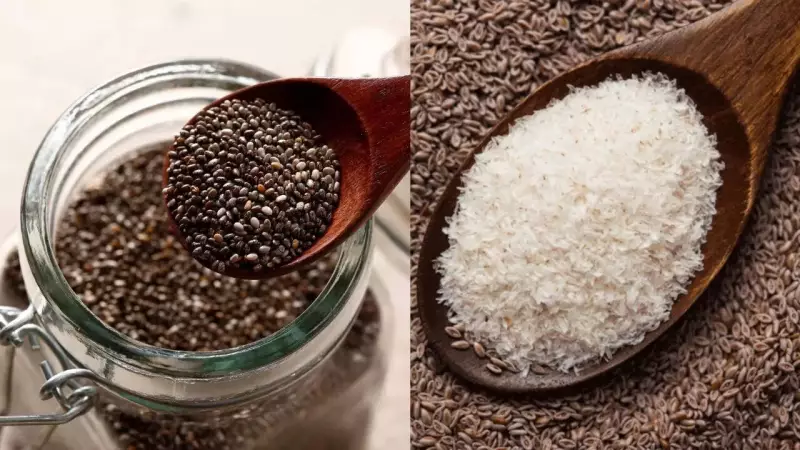
In the quest for optimal wellness, gut health has firmly taken centre stage. A critical part of this journey involves choosing the right source of dietary fibre, a decision that profoundly impacts digestion, appetite control, and overall metabolism. While chia seeds have gained global fame for their nutritional profile, a homegrown contender, isabgol or psyllium husk, has been quietly championed by health experts across India for decades. Recent insights suggest that for specific digestive concerns, isabgol may even have the upper hand.
Nutritional Showdown: Isabgol's Soluble Power vs Chia's Broad Spectrum
Understanding the fundamental difference between these two superfoods is key. Isabgol is composed of about 70-80% soluble fibre. This type of fibre absorbs water in the colon to form a gel-like substance. This gel slows digestion, soothes the intestinal lining, and adds significant bulk to stool, making it exceptionally effective against constipation and gas.
Beyond its mechanical action, isabgol acts as a prebiotic, nourishing beneficial gut bacteria like bifidobacteria. Regular consumption has been linked to lowering cholesterol, regulating blood sugar, and promoting satiety for weight management. The standard recommended dose is 1-2 tablespoons of isabgol powder mixed in water or yoghurt.

Chia seeds, on the other hand, present a different nutritional picture. They contain only about 10% soluble fibre, with the majority being insoluble. This increases bowel motility without forming a gel. Their real strength lies in being a nutrient-dense package, offering omega-3 fatty acids, plant-based protein, calcium, and antioxidants. They are versatile and safe for daily consumption in foods like smoothies, yoghurt, and baked goods.
Targeted Relief vs Overall Wellness: Choosing Your Fibre Ally
The core advantage of isabgol lies in its targeted approach to digestive issues. Its high soluble fibre content directly supports bowel regularity, protects the gut lining, and fuels prebiotic activity. This makes it a potent, natural therapy for those dealing with chronic constipation, irregular bowel movements, or general digestive discomfort.
Chia seeds contribute to gut health but are better viewed as a component of a holistic, nutrient-rich diet. They are ideal for individuals seeking overall wellness, cardiovascular support from omega-3s, and an easy protein boost, rather than targeted digestive therapy.
Public Experience and Expert Guidance on Daily Use
Online health communities reflect divided opinions on daily isabgol use. Many users praise its consistent relief from bloating and its role in maintaining regularity. However, others advise caution, noting that excessive intake can sometimes lead to loose stools or abdominal discomfort, especially in people with sensitive digestion.
Nutritionists consistently emphasise that both fibres work best alongside adequate hydration and a balanced diet. The choice isn't always either-or; a strategic combination is often recommended. Using isabgol for a digestive boost when needed and incorporating chia seeds as a daily nutritional supplement can offer comprehensive benefits.
In conclusion, your health goal should guide your choice. For direct and effective digestive system management, isabgol's properties make it a standout. For enriching your daily diet with a broad spectrum of essential nutrients, chia seeds are an excellent choice. Ultimately, mindful consumption, proper hydration, and a healthy lifestyle will maximise the benefits from whichever fibre source you choose.






