

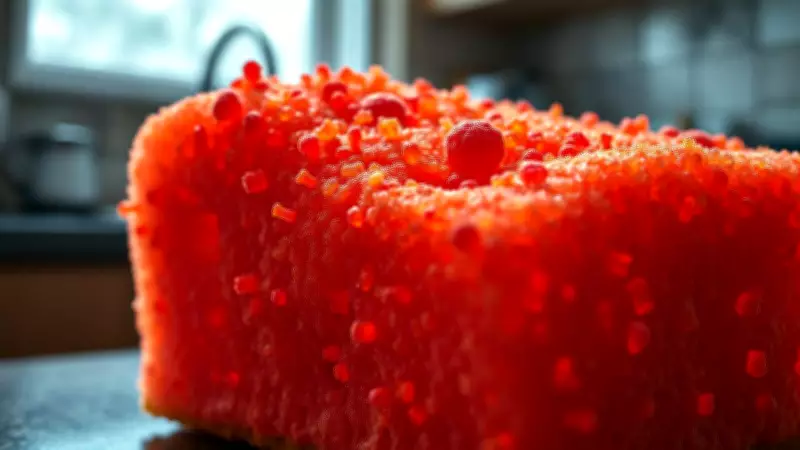
The Hidden Dangers Lurking in Your Kitchen Sponge
That trusty kitchen sponge you rely on for countless cleaning tasks—from wiping up spilled coffee to tackling stubborn lasagna grease—may be more problematic than its cleaning counterpart, the mop. While indispensable in household maintenance, the sponge harbors an unpleasant truth beneath its surface. The distinctive pungent odors you notice when picking it up to clean countertops signify more than just hard work; they reveal a complex microbial ecosystem thriving within.
Why Sponges Become Bacterial Paradise
The unpleasant aroma emanating from your sponge serves as a chemical indicator that it has transformed into a microbial hotspot. Due to their porous nature, sponges naturally retain moisture from constant water contact. This persistent dampness, combined with trapped food particles within the fibers, creates ideal conditions for bacterial proliferation. Understanding this biological reality represents a crucial step toward maintaining a genuinely clean and hygienic kitchen environment.
Scientific Research Reveals Alarming Microbial Loads
Comprehensive research examining the microbiological quality of kitchen sponges in university student dormitories uncovered startling findings. The study documented exceptionally high microbial concentrations in sponges from shared facilities, with some bacterial populations reaching millions per cubic centimeter. Even visually clean sponges were found to harbor bacteria including Enterobacter and Klebsiella species.

The wet environment significantly accelerates bacterial reproduction rates. During their metabolic processes, bacteria release volatile compounds that generate the characteristic sour odors associated with used sponges. While many of these microorganisms remain harmless, certain species can resist elimination and pose potential health risks to humans.
How Daily Habits Contribute to the Problem
Common household practices exacerbate microbial contamination. Using a single sponge for multiple tasks—cleaning stoves, sinks, and cutting boards—facilitates cross-contamination, transferring germs between surfaces. The dormitory study demonstrated that even slightly moist sponges can maintain microbial populations for several days without proper sanitization efforts.
More concerning research published in the Italian Journal of Food Safety identified highly resistant bacteria, including Extended Spectrum Beta Lactamase (ESBL) producing strains, within ordinary household sponges. These antibiotic-resistant bacteria represent significant kitchen safety concerns, with sponge crevices providing protective shelters for these hardy microbes.
Effective Sanitization Strategies
Simply allowing sponges to air-dry proves insufficient, as microorganisms can survive in dormant states until moisture returns. While soap and water remove surface bacteria, they cannot eliminate deep-seated microbes within sponge pores. Both studies conclusively demonstrate that high-temperature exposure remains the only reliable sanitization method.
Recommended approaches include:
- Running sponges through dishwasher high-heat cycles
- Microwaving damp sponges for one to two minutes
- Regular replacement every one to two weeks, especially if odors persist
Experts emphasize treating sponges as disposable items that require sterilization between uses. Implementing these science-backed practices in daily routines helps prevent kitchen environments from becoming unintended microbial laboratories, ensuring cleaner, safer household spaces for all occupants.






