

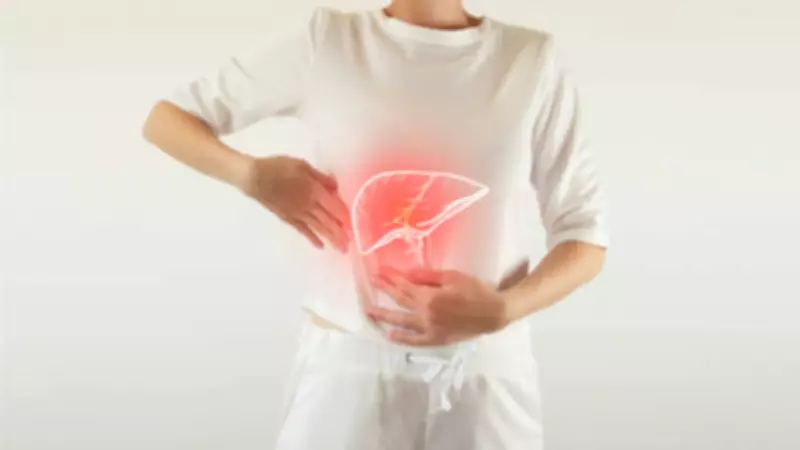
Most individuals rarely pause to consider their liver's well-being. Unlike the heart, which commands constant attention, or the brain and lungs that dominate health conversations, the liver operates silently in the background. This very discretion makes it easy to overlook, leading to widespread neglect of its crucial functions.
The Silent Progression of Liver Issues
Liver problems often begin without any dramatic signs. There are no visible bandages, no immediate symptoms, and no instant feedback mechanisms. You might indulge in excessive drinking, consume unhealthy foods, or skimp on sleep, yet nothing appears to change on the surface. This lack of immediate consequences allows harmful habits to persist unchecked, sometimes for years, until a critical tipping point is reached.
Debunking Common Liver Health Myths
A prevalent misconception suggests that only alcohol can damage the liver. While alcohol undoubtedly poses a significant threat, it is far from the sole culprit. Junk food, sugary beverages, constant snacking, and a sedentary lifestyle can inflict quiet but substantial harm on this vital organ. Additionally, untreated diabetes, extreme crash diets, and even certain everyday medications, when used carelessly, contribute to liver stress. The most alarming aspect? Initial stages often present no symptoms, leading many non-drinkers to falsely assume they are immune to liver issues.

Expert Insights on Non-Alcoholic Liver Damage
We at TOI Health consulted Dr. Dhruv Kant Mishra, Consultant in Gastroenterology and Hepatology at Yatharth Super Speciality Hospital in Faridabad, to clarify these widespread misunderstandings. Dr. Mishra emphasized that alcohol is merely one of many stressors affecting the liver, which serves as the body's primary chemical processing unit. Everything we consume, inhale, inject, or metabolize passes through it, making it vulnerable to various factors.
Primary Causes of Liver Damage in Non-Drinkers
According to Dr. Mishra, the most common cause among non-drinkers today is non-alcoholic fatty liver disease (NAFLD), closely linked to obesity, insulin resistance, and type 2 diabetes. Key contributors include:
- Rapid weight gain and sedentary lifestyles
- High-sugar diets and poor nutritional choices
- Chronic viral infections like hepatitis B and C
- Long-term use of certain medications, including painkillers and anti-tuberculosis drugs
- Autoimmune conditions and genetic disorders such as Wilson's disease
He noted that in India, fatty liver related to metabolic syndrome is far more prevalent than alcohol-related liver disease, meaning individuals who abstain from alcohol can still develop significant inflammation, scarring, or even cirrhosis.
Warning Signs and Symptoms to Monitor
Early liver disease is often silent, which explains why it frequently goes undetected. Many patients experience no symptoms initially. However, as damage progresses, watch for:
- Persistent fatigue and unexplained weight changes
- Mild discomfort or heaviness in the right upper abdomen
- Loss of appetite and general malaise
- Jaundice, swelling in the feet, or abdominal distension due to fluid buildup
- Itching or easy bruising without apparent cause
Dr. Mishra advises that non-drinkers, especially those with diabetes, obesity, or a family history of liver disease, should not assume they are safe simply because they avoid alcohol.
Simple Tests for Early Detection
Proactive screening can help identify issues before they become severe. Recommended tests include:
- Liver Function Test (LFT): A basic blood test that checks enzyme levels (AST and ALT), bilirubin, and proteins.
- Abdominal Ultrasound: A non-invasive imaging technique effective in detecting fatty liver or structural abnormalities.
- FibroScan: Used in selected cases to assess liver stiffness and detect early fibrosis without requiring a biopsy.
Periodic screening under medical guidance allows for early intervention, where lifestyle modifications and treatments can potentially reverse or halt disease progression.

About the Author
Maitree Baral is a dedicated health journalist committed to making medical science accessible and healthcare approachable for all. She covers a wide range of topics, from emerging wellness trends to groundbreaking medical research, transforming complex health subjects into engaging, actionable stories that readers can practically apply in their daily lives.





