

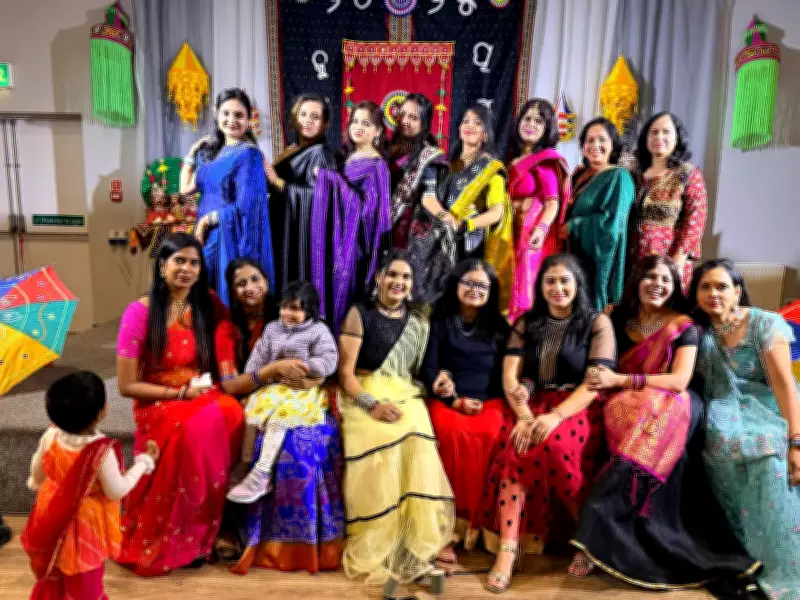
Odia Women in Dublin Rally to Support Community Member Battling Breast Cancer
In a powerful display of community solidarity, more than thirty Odia women residing in Dublin, Ireland, have united to provide comprehensive support for a fellow Odia woman undergoing treatment for breast cancer. This collective effort has created a vital support system for the patient, offering her a sense of family and belonging far from her homeland during an exceptionally challenging period.
A Diverse Network of Support
The women involved come from various professional backgrounds, including homemakers, healthcare advisors, IT professionals, clerical officers, and software engineers. Despite their busy lives abroad, they made it a priority to assist one of their own in need. Their support has been multifaceted, addressing both practical and emotional needs.
Nutritional Support Through Homecooked Meals

A cornerstone of their assistance has been providing homecooked, nutritious meals for the patient and her family following her surgery and chemotherapy sessions. The women organized a rotation system to ensure consistent meal delivery.
"We used to rotate among ourselves the responsibility of providing her and her family food," explained Pallabika Das, a homemaker involved in the effort.
They paid special attention to the patient's dietary preferences, particularly important as cancer treatments often affect taste perception. "I cooked the food that she wanted to eat. This gave her an ample amount of rest which she needed," said Swosti Simantini, a clerical officer with Dublin City Council.
Practical Assistance and Daily Support
Beyond meal preparation, the women provided essential practical help including shopping assistance, transportation to medical appointments, and support with daily tasks when the patient felt exhausted from treatment.
"She herself is a very helpful person and a very active member of the Odia community. When she told us about her disease, we decided to come to her aid," said Subhashree Khadanga, a healthcare adviser. "In the past, she nurtured me when I sustained a head injury due to a fall."
The support network operated with careful coordination to ensure all needs were met. "Coordinating with others in the community to make sure she had whatever she needed. I tried to make sure she never felt alone," explained Swarnalata Sahoo, a health service executive. "And, that's what our community stands for. She helped us when my husband had a kidney stone."
Emotional Support and Connection
With the patient's compromised immunity making in-person visits risky, the women maintained connection through regular phone calls and messages to prevent isolation. This emotional support proved invaluable during the treatment journey.
"I listened to her fears, frustrations and hopes, keeping her company during lonely and anxious moments. Offering reassurance or simply being someone she could talk to," shared Rashmi Sahoo, a software engineer.
The community bond has created surrogate family relationships in Ireland. "We live far away from our families in Odisha, and in Ireland, we've become like family," Rashmi Sahoo continued. "When she was going through a difficult time, it felt natural to support her the way loved ones would — being there for each other in need and making sure neither of us felt alone."
Comprehensive Care Coordination
The support extended to helping with medical information comprehension, appointment reminders, and assistance during doctor consultations. Friends living nearby also helped with school transportation for the patient's children.
"Some friends, who are staying nearby also helped in school pick up and drop off for her children. I wanted to reduce her physical and mental burden so that she could focus on her recovery," said Nivedita Nayak, an IT professional.
This collective effort has maintained the patient's spirits throughout her treatment. "I felt it was not my journey alone. My physical pain and emotional state were shared," the cancer patient expressed gratefully.
The initiative demonstrates how diaspora communities can create powerful support networks that transcend geographical distance from homeland, providing both practical assistance and emotional sustenance during health crises.






