

Optical Illusion Test: What You See First Reveals Your Emotional State
Have you ever been scrolling through your social media feed and suddenly encountered one of those fascinating optical illusions that make you pause and question your own perception? These visual puzzles have a unique way of capturing our attention and revealing more about ourselves than we might initially realize.
The Viral Optical Illusion That's Capturing Attention
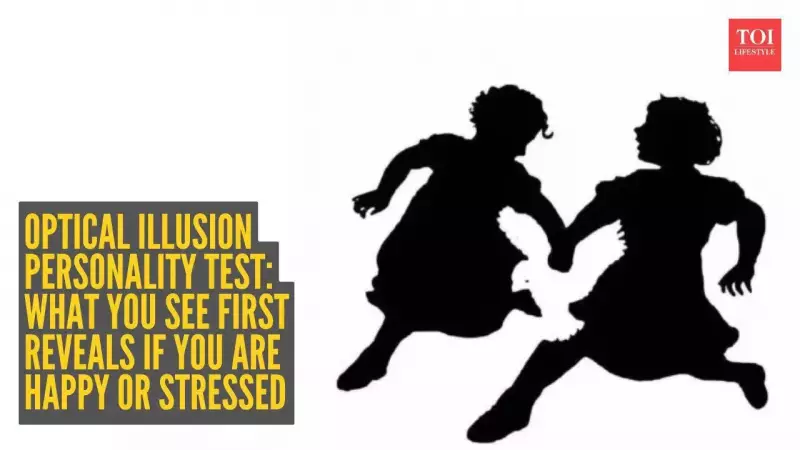
Imagine a simple black-and-white sketch that has been circulating widely on social media platforms. In this intriguing image, some viewers immediately perceive two young girls engaged in conversation, while others distinctly see a serene dove perched gracefully. This isn't just another passing internet trend - according to psychology enthusiasts, what you notice first provides meaningful insight into your current emotional landscape.
The illusion, recently shared by social media user trishwhitsell, has sparked significant discussion about how our minds interpret ambiguous visual information. The phenomenon taps into fundamental psychological principles, blending classic Gestalt psychology with contemporary self-reflection techniques to offer a window into our subconscious states.

How the Psychological Test Works
According to psychological experts, these types of visual tests function because our current mindset acts as a powerful filter that influences how our brains process and interpret ambiguous information. When presented with conflicting visual cues, our brains make rapid decisions based on our emotional state, priorities, and subconscious concerns.
The test operates on the principle that our perception isn't merely passive observation but an active construction of reality influenced by our psychological condition. This explains why different people can look at the same image and see completely different things first.
What Your First Perception Reveals About You
To take this revealing test, simply relax and observe the optical illusion image. Notice what captures your attention immediately - without overthinking or analyzing. Your spontaneous perception holds the key to understanding your current emotional state.
- If You First Saw the Two Girls
"This indicates you are likely in a positive or playful state of mind," explains trishwhitsell in her social media post. "You may be more in tune with social interactions, connection, and a sense of joy and movement. People who see the girls first often prioritize relationships, communication, and social engagement in their current lives."
- If You First Saw the White Dove
"This interpretation is linked to a desire for peace, freedom, or emotional well-being," she further shared. "It suggests you might be feeling stressed or seeking a moment of tranquility and balance in your life. Those who perceive the dove first often have a subconscious need for calm, resolution, or emotional harmony."
The Science Behind Perception and Emotion
These psychological tests work because our brains constantly filter reality based on our emotional and psychological needs. When we're in different emotional states, we literally see the world differently. The Gestalt principles of perception explain how our minds organize visual elements into meaningful patterns, and this organization is influenced by our current concerns and emotional priorities.
While these tests should be approached as interesting psychological exercises rather than definitive scientific assessments, they do highlight the fascinating connection between our emotional states and perceptual processes. Many people find that the results resonate with their current life situations, providing valuable moments of self-awareness.
Understanding the Test's Purpose and Limitations
It's important to remember that psychological tests of this nature are designed primarily for self-reflection and entertainment. If the test result doesn't seem accurate for you, there's no need for concern. These visual perception exercises serve as fun conversation starters and tools for personal insight rather than clinical diagnostic instruments.

They work exceptionally well as icebreakers in social situations and can spark meaningful conversations about psychology, perception, and emotional awareness. Sharing these tests with friends and family often leads to interesting discussions about how different people perceive the same information differently.
The enduring popularity of such optical illusions on social media platforms demonstrates our ongoing fascination with understanding ourselves better and exploring the mysterious workings of the human mind. Whether you saw the girls or the dove first, this test offers a moment of pause in our busy digital lives to reflect on our current emotional state and perceptual tendencies.





