PGIMS Rohtak to Launch CPR Training Kiosk
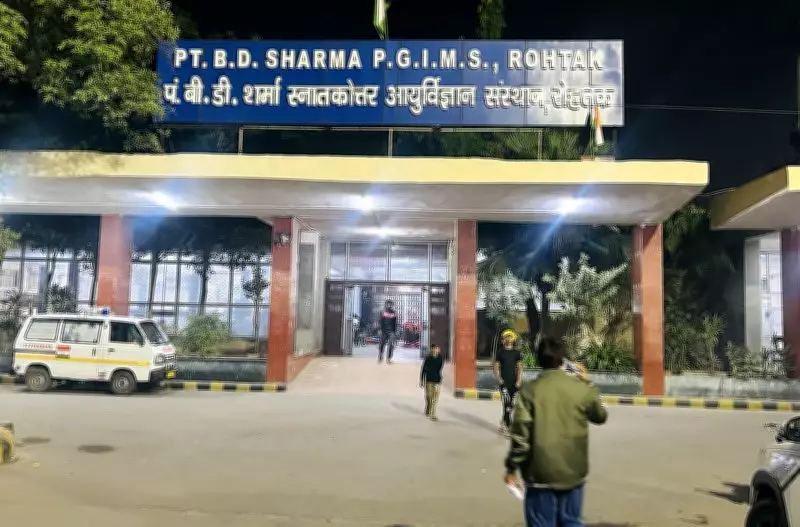
In a pioneering initiative, the Post Graduate Institute of Medical Sciences (PGIMS) in Rohtak is set to introduce a CPR training kiosk for patients and their attendants. This move aims to equip individuals with essential life-saving skills, potentially reducing fatalities during cardiac emergencies.
How the Kiosk Works
The kiosk will feature a mannequin and a touchscreen interface that guides users through the steps of cardiopulmonary resuscitation (CPR). It will provide both visual and audio instructions, allowing users to practice chest compressions and rescue breaths at their own pace. The training session is designed to be completed in under 10 minutes, making it accessible even for those with limited time.
Importance of CPR Training
Cardiac arrests can occur anywhere, and immediate CPR can double or triple a victim's chance of survival. However, many people lack the knowledge or confidence to perform CPR. By offering free, on-site training, PGIMS aims to empower the community to act swiftly in emergencies. The kiosk will be stationed in a high-traffic area within the hospital, ensuring maximum visibility and usage.

Implementation and Future Plans
The hospital administration has partnered with a health technology firm to develop the kiosk. It is expected to be operational within the next two months. If successful, similar kiosks may be installed in other public places across the state. Dr. Rajeev Gupta, a senior cardiologist at PGIMS, stated, "This initiative will transform bystanders into first responders. Every second counts during a cardiac arrest, and trained individuals can make a critical difference."
Community Response
Patients and attendants have welcomed the initiative, expressing enthusiasm for learning a skill that could save lives. Many have noted that the kiosk's self-paced learning approach removes the intimidation factor associated with traditional training sessions. The hospital also plans to track the number of people trained and conduct follow-up surveys to assess the kiosk's impact.
This innovative step by PGIMS Rohtak underscores the growing emphasis on preventive healthcare and community preparedness. By integrating technology with public health education, the kiosk model could serve as a blueprint for other medical institutions nationwide.