

Puppy Yoga: More Than a Passing Trend in Modern Wellness
While puppy yoga might appear as a fleeting social media trend, it actually represents a significant evolution in contemporary approaches to health and wellbeing. This innovative practice merges the slow, deliberate movements of traditional yoga with the joyful, spontaneous presence of young puppies, creating an experience that feels both lighthearted and profoundly therapeutic.
The Essence of Puppy Yoga: Simple Yet Transformative
The concept behind puppy yoga is beautifully straightforward. Participants engage in a guided, mindful yoga session while puppies roam freely throughout the practice space. These puppies typically come from rescue shelters or ethical breeders, with many studios using these sessions to facilitate early socialization and potentially find forever homes for the animals.
Unlike conventional yoga classes that emphasize perfect alignment and disciplined focus, puppy yoga intentionally shifts attention away from performance metrics. The presence of playful animals naturally redirects participants' awareness toward being present in the moment, embracing relaxation, and welcoming small bursts of unexpected joy.

How a Typical Puppy Yoga Session Unfolds
A standard puppy yoga class begins much like any introductory yoga session, with gentle warm-ups, simple stretches, and foundational breathing exercises. The pace remains deliberately slow and accessible to beginners. Once the puppies are introduced, the atmosphere transforms completely.
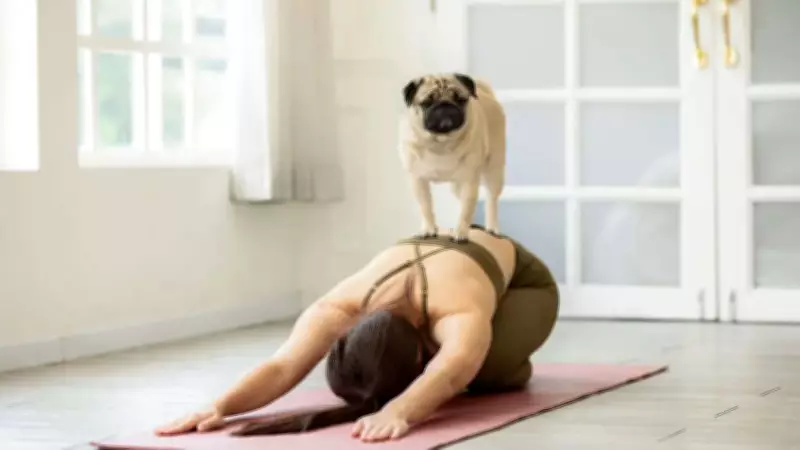
The young animals wander between yoga mats, occasionally settling beside participants or even climbing onto them during poses. Instructors skillfully adapt the flow to accommodate these delightful interruptions, maintaining movements that are flexible and light rather than rigidly structured.
There's absolutely no pressure to maintain uninterrupted focus throughout the session. In fact, pausing to interact with a puppy is considered an integral part of the experience. This delicate balance between mindful movement and spontaneous interaction creates an environment that feels both intentionally structured and wonderfully liberating.
The Science Behind the Calming Effects
Growing scientific evidence supports the mental health benefits of human-animal interaction, particularly when combined with mindful movement practices like yoga. Research supported by the National Institutes of Health demonstrates that spending quality time with animals can significantly reduce cortisol levels—the hormone closely associated with stress—while simultaneously increasing oxytocin production, which promotes bonding and emotional comfort.
Similarly, the Centers for Disease Control and Prevention acknowledges that regular interaction with pets can effectively help manage feelings of loneliness, anxiety, and chronic stress. When these animal-assisted benefits merge with yoga's established relaxation techniques—including controlled breathing and gentle physical movement—the combined effect becomes particularly noticeable. The body naturally slows down, and the mind gradually releases its preoccupation with daily pressures.
Why Puppy Yoga Resonates with Modern Wellness Seekers
Contemporary approaches to wellness have evolved beyond strict routines and intense physical regimens. Today, many individuals seek experiences that feel accessible, emotionally rewarding, and genuinely enjoyable. Puppy yoga fits perfectly within this new paradigm.
This practice effectively removes the intimidation factor that some people experience in traditional yoga studios. There's less emphasis on achieving picture-perfect poses and greater focus on how the entire experience makes participants feel. The puppies' spontaneous behavior adds a delightful layer of unpredictability that breaks through the sometimes-serious atmosphere of conventional fitness environments.
Additionally, puppy yoga offers valuable social benefits. These sessions naturally bring together people who share an affection for animals, fostering easy connections and community without requiring forced social interaction. The practice is ideally suited for beginners and anyone seeking low-pressure wellness activities, provided sessions are conducted ethically with proper animal welfare considerations.

Who Should Consider Trying Puppy Yoga?
Puppy yoga works exceptionally well for yoga beginners and those who feel hesitant about joining standard classes. The format feels inherently more welcoming and less intimidating. It's also particularly beneficial for individuals managing stress, coping with demanding work schedules, or experiencing mental fatigue.
However, this practice isn't suitable for everyone. People with pet allergies, cynophobia (fear of dogs), or specific health conditions might find the environment uncomfortable. It's crucial to select studios that follow ethical practices, ensuring puppies aren't overstimulated or stressed during sessions and that their wellbeing remains the top priority.
When conducted responsibly, puppy yoga offers a refreshing pathway to explore both physical movement and emotional wellbeing. While it doesn't aim to replace traditional yoga practices, it provides a gentler, more accessible entry point into mindful movement. This innovative approach reminds us that wellness doesn't always need to feel serious or demanding.
Sometimes, a simple stretch, a calm breath, and a small, playful interruption are precisely what we need to shift our perspective. In our fast-paced world, that subtle shift can make a more significant difference than we might initially anticipate.
Disclaimer: This article serves general informational purposes only. Puppy yoga is not a substitute for professional medical treatment or therapy. Individuals with allergies, injuries, or specific health concerns should consult qualified healthcare professionals before participating in any new wellness activities.





