

The Hidden Hygiene Hazards in Your Home: Six Items You Must Replace Regularly
Maintaining proper hygiene extends far beyond personal cleanliness to include the everyday items we use in our homes. While we frequently upgrade our smartphones, phone cases, and household appliances, numerous essential household objects often go unnoticed and unreplaced for years. This oversight can lead to bacterial accumulation, reduced effectiveness, and potential health risks. From kitchen necessities to bedroom fundamentals, here are six commonly used items that require regular replacement to ensure a healthier living environment.
1. Plastic Ice Cube Trays: Replace Every Two Years
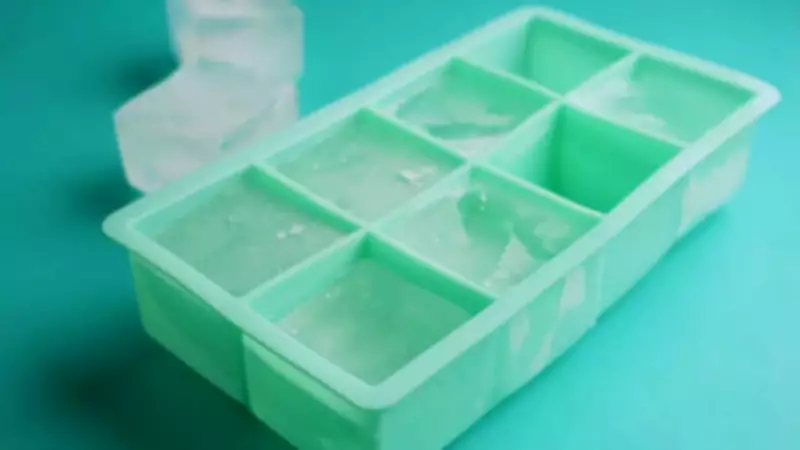
This might come as a surprise, but your plastic ice cube trays need replacement every two years. Despite being stored in freezing temperatures, these trays gradually accumulate dirt and develop microscopic cracks and scratches. These imperfections can trap bacteria, absorb freezer odors, and even foster mold growth. If you notice your ice developing an odd taste or your trays appearing discolored, it's a clear sign that replacement is overdue.
2. Reusable Water Bottles: Refresh Every Six Months
While reusable water bottles are environmentally friendly, they require replacement every six months for optimal hygiene. Daily washing often fails to eliminate moisture trapped in caps or straws, creating ideal conditions for bacterial and mold proliferation. Plastic bottles additionally degrade over time, potentially leaching chemicals. Experts particularly recommend replacing plastic bottles regularly and suggest considering longer-lasting stainless steel alternatives.

3. Bath Towels: Change Every Two Years
Your bath towels demand replacement every two years, regardless of regular washing. Constant exposure to moisture makes them susceptible to bacterial buildup that can negatively impact your skin. Indicators for replacement include rough texture or a persistent musty odor, even after laundering.
4. Reusable Grocery Bags: Renew Every Two Years
Reusable grocery bags, while excellent for reducing plastic waste, rarely receive proper cleaning. They frequently contact raw meats, unwashed vegetables, and various spills, leading to fabric contamination and bacterial growth. Studies have identified harmful microbes in unwashed grocery bags. Replace them when they develop unpleasant odors or appear worn and disheveled.
5. Bed Sheets: Replace Every Two to Three Years
Given that we spend approximately one-third of our lives in bed, regular sheet replacement is crucial. Aim to change your bed sheets every two to three years. Over time, they accumulate sweat, dead skin cells, body oils, and dust mites—even with regular washing. Fabric fibers gradually weaken, reducing breathability and comfort.
6. House Slippers: Discard Every Eight to Twelve Months
House slippers, worn daily, absorb sweat and dust while contacting various surfaces from bathroom floors to outdoor areas. They lose cushioning over time and can harbor bacteria and fungi. For optimal foot health and hygiene, replace your slippers every eight to twelve months, especially when they show visible wear.
By implementing these replacement schedules for common household items, you can significantly enhance your home's hygiene standards, reduce bacterial exposure, and maintain the effectiveness of everyday essentials. Regular replacement not only promotes better health but also ensures these items perform their intended functions optimally.






