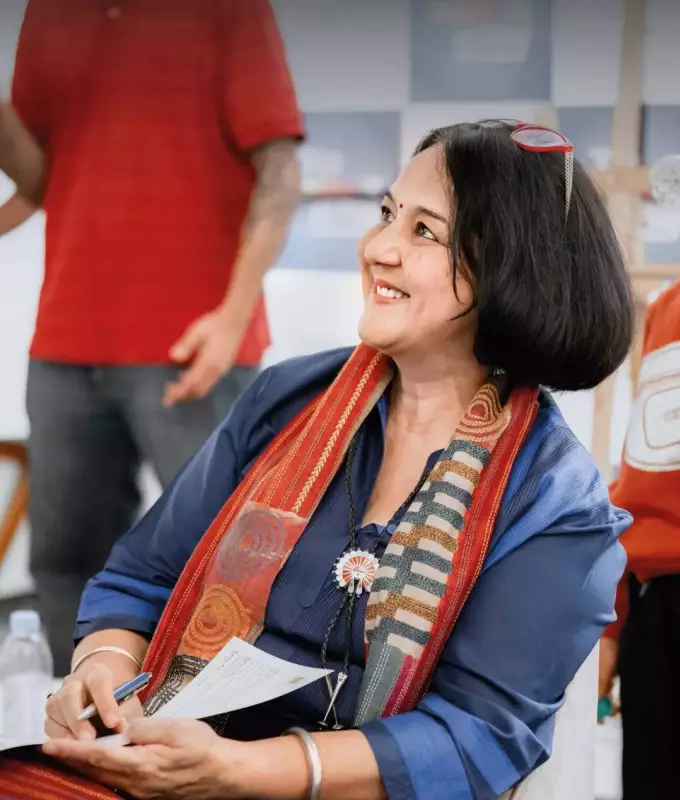
Writer and philanthropist Rohini Nilekani set a joyful tone for her session at Makkala Habba. She spoke about the beautiful noise of children playing outside. This event is part of the ongoing BLR Habba festival.
Play Is the Real Work of Kids
Rohini Nilekani delivered a powerful message during her talk. She stressed that play is not a break from learning. She called it the essential work of childhood.
"Play that comes without instructions is vital," she emphasized. This kind of unstructured play allows the brain to develop in a complete way. It builds curiosity and resilience in children. It also fosters empathy and imagination. Textbooks cannot achieve this on their own.

"Children learn how to be human through discovery," she pointed out. They invent their own rules. They fall down and negotiate. They even experience boredom. All these moments are quiet lessons for an ever-changing world.
A New Courage for Modern Parents
Rohini expressed deep empathy for today's parents. She acknowledged the unique challenges of the digital age. "Parenting today requires a whole different kind of courage," she stated. She called parents brave warriors for navigating this landscape.
She noted that one of the hardest tasks for parents is giving themselves permission to just be. This, in turn, grants children the freedom for unstructured play. "Children are constantly placed into boxes," she observed. Parents must step back from the anxiety of optimization.
"We must allow children the freedom to simply exist," she urged. Let them imagine and wander. When we let children be, they grow into kind and curious people. Rohini also highlighted the need for balance with devices. Adults must examine their own screen habits too.
"Parents don't have to be hypervigilant," she averred. A child needs space to feel bored. They need room to wonder and explore on their own terms.
Teaching Children to Adapt
Rohini Nilekani also addressed the future of education. She stated that education can no longer be purely transactional. Many old assumptions may no longer hold true. What children truly need is the ability to handle change.
She stressed the importance of adaptability and critical thinking. Collaboration and humanity are paramount. "Our anganwadis are working towards this mission," she concluded. They aim to shape not just educated individuals, but a more compassionate society.
The session at Makkala Habba underscored a central theme. The transformative power of imagination and free play is fundamental. It is essential for holistic childhood development in our modern world.