

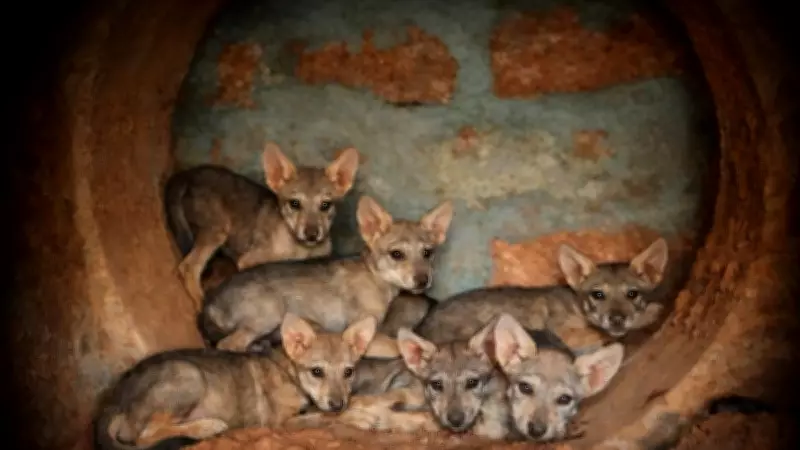
Indian Wolf Welcomes Seven Pups at Pilikula Biological Park in Mangaluru
In a heartening development for wildlife conservation in Karnataka, an Indian wolf has given birth to seven healthy pups at the Pilikula Biological Park in Mangaluru. This event marks a significant milestone for the park's breeding program aimed at protecting this endangered species.
Conservation Success in Karnataka
The birth of the seven wolf pups is being celebrated as a major achievement for the Pilikula Biological Park, which has been actively involved in the conservation of Indian wolves. Indian wolves (Canis lupus pallipes) are classified as endangered due to habitat loss, human-wildlife conflict, and declining populations across their range in the Indian subcontinent.
Park authorities have confirmed that both the mother and her pups are in good health and are being closely monitored by veterinary staff. The pups, born recently, are currently under the care of their mother in a secured enclosure designed to mimic their natural habitat, ensuring minimal human interference during this critical period.

Details of the Birth and Care
The Pilikula Biological Park, located in Mangaluru, Karnataka, has a dedicated breeding program for Indian wolves, and this litter of seven is one of the largest recorded in captivity in recent years. Wildlife experts at the park have noted that such successful births are crucial for maintaining genetic diversity and boosting the population of this threatened species.
Veterinarians and animal caretakers are providing round-the-clock supervision to ensure the well-being of the wolf family. This includes regular health checks, a controlled diet, and environmental enrichment activities to promote natural behaviors. The park plans to keep the pups with their mother until they are weaned and old enough to be introduced to other wolves or potentially released into protected areas, depending on conservation strategies.
Importance for Endangered Species Protection
The Indian wolf is native to parts of India, including Karnataka, and plays a vital role in the ecosystem as a predator. However, their numbers have been dwindling due to various threats:
- Habitat fragmentation from urbanization and agriculture.
- Conflict with humans over livestock predation.
- Lack of awareness about their ecological importance.
Conservation efforts like those at Pilikula Biological Park are essential for reversing this trend. By breeding Indian wolves in captivity, the park contributes to research, education, and potential reintroduction programs that can help stabilize wild populations.
Future Steps and Public Engagement
Park officials have expressed optimism about the future of these seven pups and their role in conservation. They plan to engage the public through educational programs and awareness campaigns to highlight the plight of Indian wolves and the importance of wildlife protection. Visitors to the park may get a chance to see the wolf family once the pups are older and more accustomed to their surroundings, though strict protocols will be in place to avoid stress to the animals.
This birth not only adds to the park's success stories but also underscores the broader need for concerted efforts to protect endangered species across India. As climate change and human activities continue to impact wildlife, such initiatives offer hope for biodiversity conservation.






